Baltic Coal Prices Hit Highest Since Spring 2023
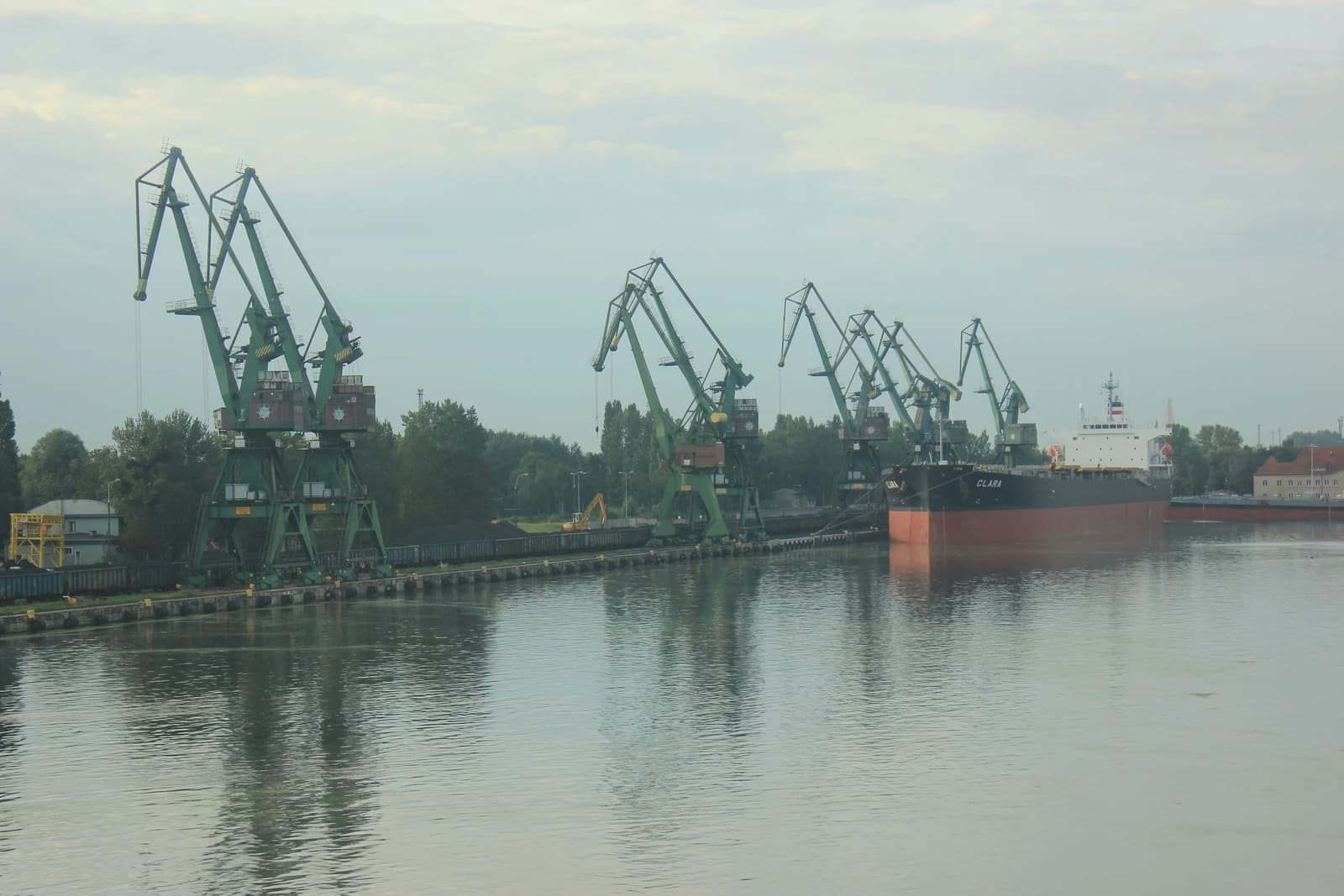
Coal prices in Baltic ports have climbed to their highest level since spring 2023, underscoring how Europe’s power system remains exposed to tight fuel markets even as the region pushes to decarbonize.
The move matters because Baltic benchmarks are a useful proxy for coal flows into Europe and nearby markets, where utilities, traders and industrial buyers are still balancing a lower gas cushion, patchy renewable output and persistent geopolitical risk. Higher delivered prices feed directly into power generation costs, industrial energy bills and, in some cases, fuel switching decisions between coal, gas and renewables.
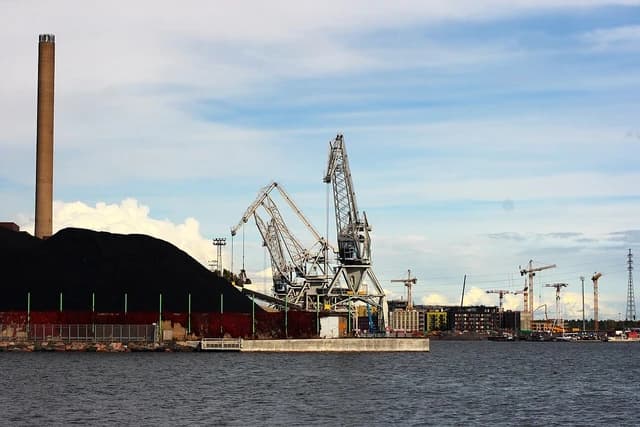
The broader backdrop is a global coal market that has not relaxed as quickly as policymakers had hoped. Supply remains uneven, shipping and logistics costs still influence landed prices, and buyers are continuing to hedge against disruption. In Reuters reporting cited in the context, rising coal prices have been tied to stronger coal-fired generation in some regions, including production used to free up gas for industry, while countries from Kazakhstan to Colombia are still leaning on the fuel in different ways.
For investors, the Baltic price strength is a reminder that coal equities and coal-linked exporters can still benefit from episodic tightening even in a transition market. U.S. producers such as Peabody Energy and Core Natural Resources have already seen sharp share-price swings this year, reflecting how sensitive the sector remains to spot pricing, shipping flows and sentiment. Coal price gains can improve margins quickly, but they also tend to be volatile and vulnerable to demand destruction if utilities accelerate fuel switching or if policy tightens.
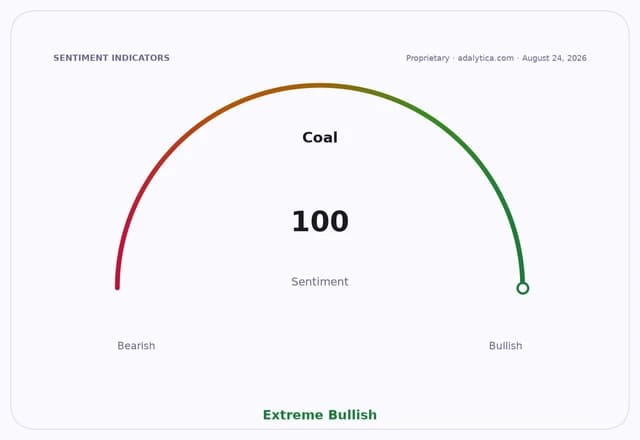
The market signal is also important for Europe’s power complex. If coal remains expensive, utilities face a narrower margin for arbitrage, while industrial users can face higher input costs at a time when governments are trying to protect competitiveness. If prices stay elevated into the heating season, it could support coal burn in marginal markets and delay some fuel-retirement decisions, even as the structural direction of travel remains toward cleaner generation.
The key question now is whether this is a short-lived regional squeeze or the start of a firmer floor under seaborne coal prices. Traders will be watching Baltic port flows, Russian supply dynamics, gas prices and winter weather patterns for the next leg. For now, the price move suggests coal is still far from disappearing as a market force.
| Entity | Gains | Losses |
|---|---|---|
| Coal producers | ▲Higher realized prices | ▼Demand backlash risk |
| Utilities in Europe | ▲Fuel optionality | ▼Higher generation costs |
| Industrial gas users | ▲Potential fuel switching support | ▼Costlier power inputs |
| Renewable developers | ▲Policy urgency | ▼Slower coal retirements |