Banco Ciudad cuts mortgage rate to 6.5%
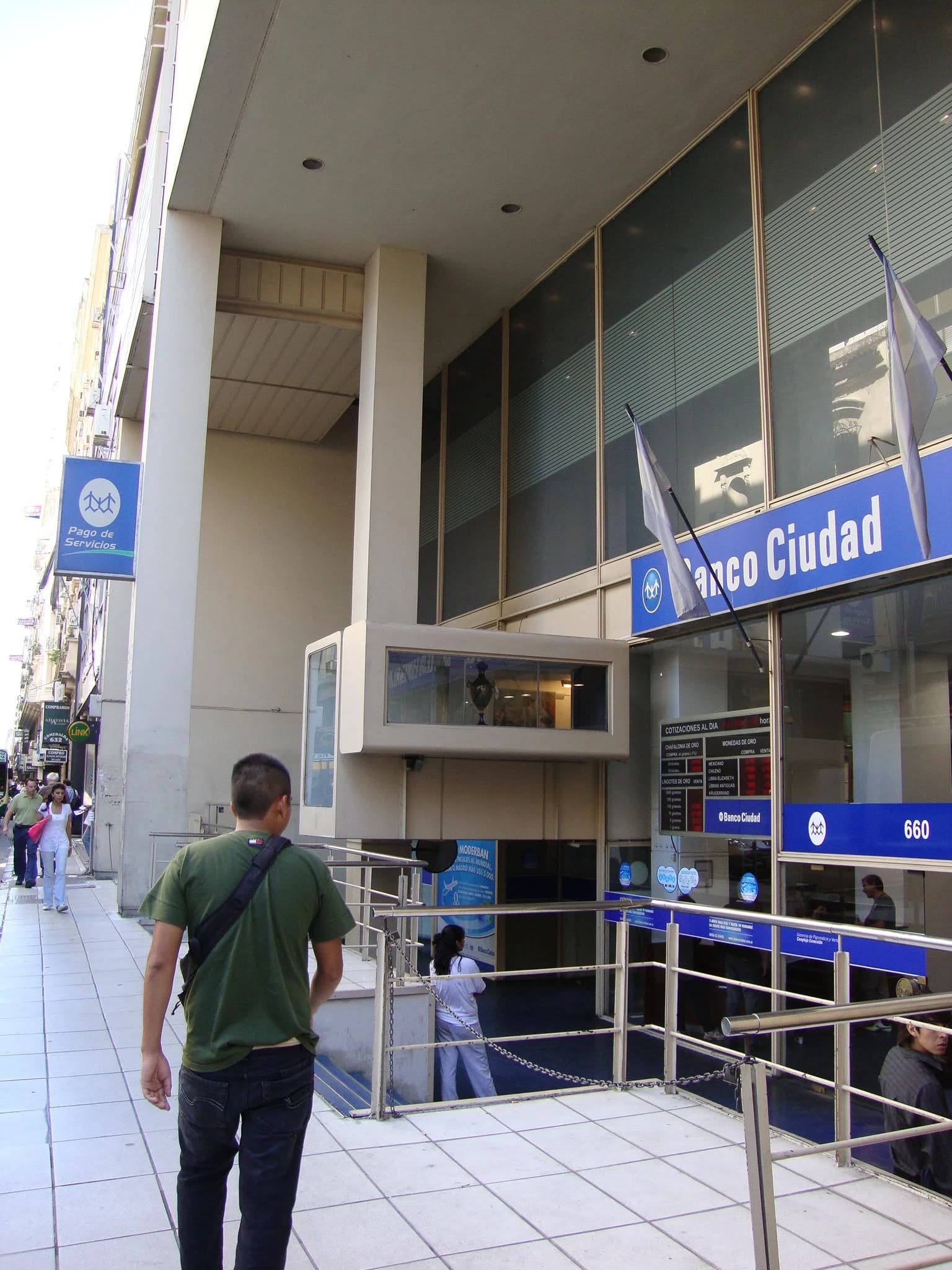
Banco Ciudad lowered the interest rate on its mortgage loans to 6.5%, a move that could make monthly payments on first-home financing roughly comparable with rent and widen access to credit in a market where long-term borrowing remains scarce.
The cut is economically significant because Argentina’s housing finance system has been constrained for years by inflation, high nominal rates and a shallow mortgage market. By offering a fixed preferential rate and tying the program to funding obtained in the first auction of a slice of ANSES’s Sustainability Guarantee Fund, the bank is effectively channeling domestic institutional liquidity into retail housing credit at a time when demand for stable, peso-linked financing is recovering.
Under the new terms, a UVAs mortgage of 100 million pesos over the maximum 25-year term would carry an initial monthly payment of 658,000 pesos, with borrowers required to show total household income of at least 2.632 million pesos. Banco Ciudad said the installment cannot exceed 25% of household income, and applicants can use a guarantor to increase borrowing capacity. The offer is open to salaried workers who receive or migrate payroll accounts to the bank, as well as monotributistas and self-employed borrowers.
For Argentina’s mortgage market, the move matters less as a single loan product than as a signal that public-sector funding is beginning to support a broader credit expansion. The use of ANSES FGS resources lowers Banco Ciudad’s funding cost and gives the lender room to price mortgages aggressively, potentially forcing peers to defend market share or wait for cheaper funding before re-entering the segment.
Investors should read the announcement in two ways. In the bull case, cheaper mortgages can support housing turnover, related consumer spending and construction activity, while improving fee and balance-sheet growth for lenders able to originate and securitize loans. In the bear case, the economics of long-duration lending remain highly sensitive to inflation, indexation and borrower affordability, meaning volume growth could quickly run into credit-risk and duration challenges if macro conditions worsen.
The immediate beneficiaries are first-time buyers and Banco Ciudad’s mortgage franchise; the losers are renters still facing high housing costs and lenders without access to similar funding. If the ANSES-backed funding mechanism scales, it could become a template for reviving Argentina’s mortgage market more broadly, but its durability will depend on inflation, policy continuity and whether other banks follow with comparable rates.
| Entity | Gains | Losses |
|---|---|---|
| Banco Ciudad | ▲More mortgage demand | ▼Margin pressure |
| First-time buyers | ▲Lower monthly payments | ▼Limited access standards |
| ANSES FGS funding | ▲Higher credit deployment | ▼Less idle liquidity |
| Competing banks | ▲— | ▼Pricing pressure |