Banco Provincia restarts UVA mortgage loans

Banco Provincia has brought back its UVA mortgage line with a crucial clause designed to make home loans workable again, a small but important step in Argentina’s effort to revive housing construction after years of inflation and broken credit markets.
For investors and builders, that matters because housing is not just another consumer segment in Argentina. Mortgage lending helps unlock demand for homes, supports developers, and feeds a broad chain of jobs in construction, materials, and banking. When long-term financing disappears, new building stalls. When it returns, even gradually, it can revive an entire part of the economy.
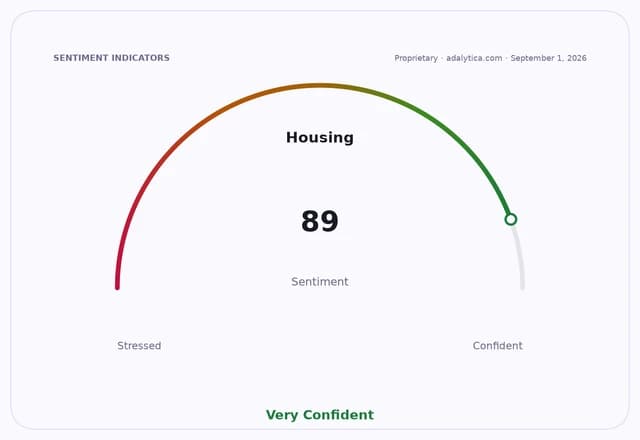
The timing also reflects a wider policy push to restore credit as inflation begins to settle into a more manageable pattern. Argentina’s consumer price index remains high by global standards, but the monthly pace has eased enough to give banks a chance to price loans and borrowers a chance to think beyond the next paycheque. That is the basic precondition for any mortgage market, especially one tied to inflation-adjusted UVA units.
There is some evidence the market is already responding. Mortgage credit in the broader market has been expanding, and recent figures point to the strongest half-year performance since 2010. That is still a modest base in a country where mortgage finance had all but vanished, but the direction matters. Even a restart from a low level can have outsized effects on construction activity if banks keep lending and households regain confidence.
Banco Provincia’s move also fits a larger political and financial narrative. Authorities want to push more money toward housing without blowing up the balance sheet of lenders or borrowers. The “key clause” in the relaunch is meant to address exactly that problem: how to make payments predictable enough for families while keeping the product viable for the bank. In Argentina, the design of the loan is nearly as important as the loan itself.
For investors, the clearest beneficiaries are lenders with the capacity to originate and service mortgages, builders exposed to domestic demand, and suppliers tied to residential construction. The biggest losers are still the same as ever: savers and borrowers stuck in a system where inflation erodes planning and where credit remains too scarce to support a normal housing market.
Banco Provincia’s relaunch will not fix Argentina’s housing shortage on its own. But if mortgage credit keeps coming back, the payoff could be meaningful over several years: more transactions, more construction starts, and a healthier domestic banking franchise. For long-term investors, that is exactly the kind of slow-building economic shift worth watching.
| Entity | Gains | Losses |
|---|---|---|
| Banco Provincia | ▲Loan growth | ▼Idle balance sheet |
| Homebuyers | ▲Access to financing | ▼Cash-only buyers |
| Builders and suppliers | ▲More construction demand | ▼Stalled projects |
| Inflation sufferers | ▲Index-linked relief | ▼Planning uncertainty |