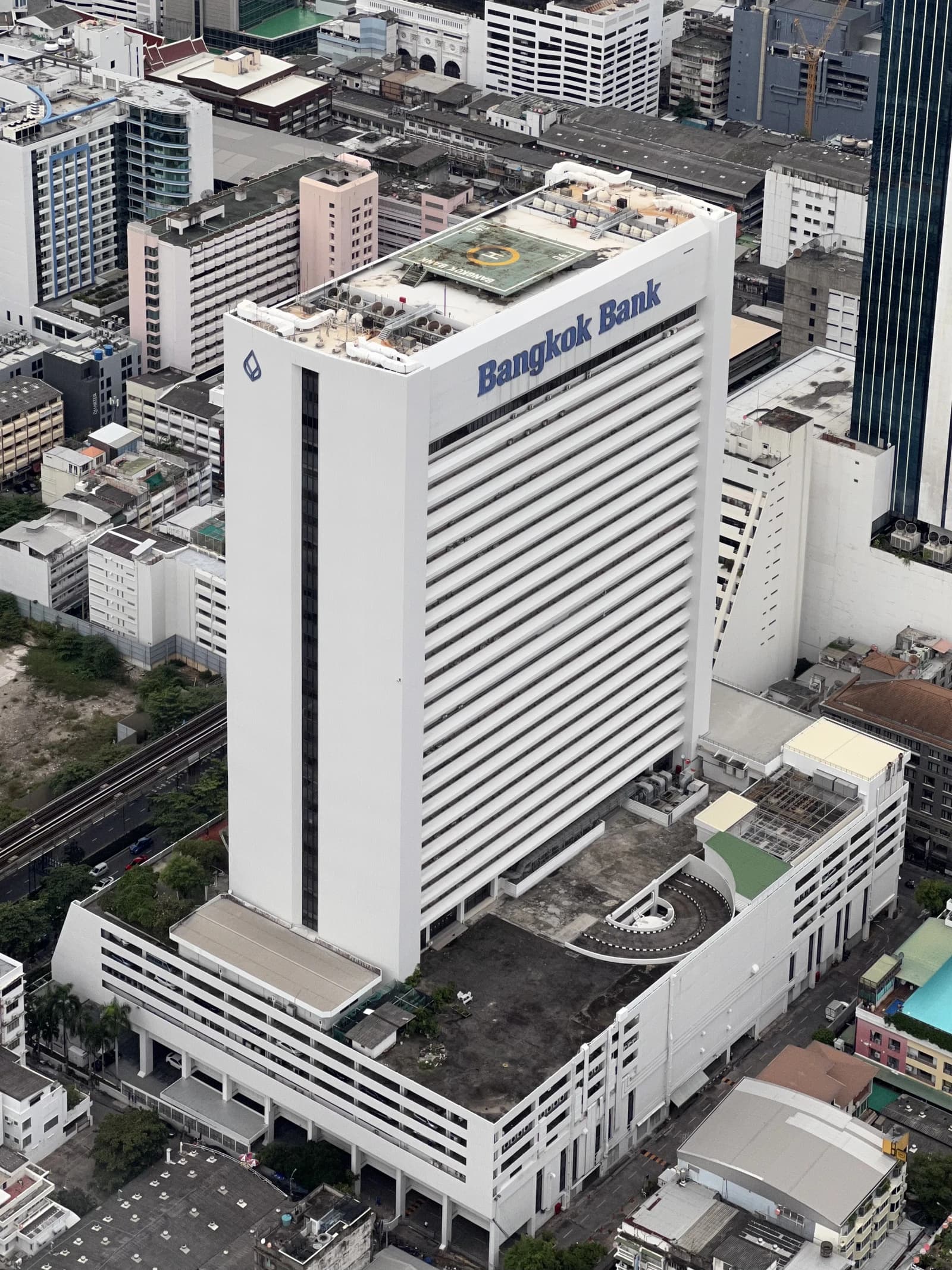
Bangkok Bank is tapping the US dollar bond market with five- and ten-year notes, a move that comes as funding conditions have steadied and investors show renewed appetite for high-grade bank debt.
Bangkok Bank taps dollar bond market with 5- and 10-year notes
The timing matters for both the lender and regional borrowers. US Treasury yields remain elevated, with the 10-year note around 4.75% and the two-year near 4.34%, but the recent easing from earlier peaks has helped reopen the market for longer-dated issuance. That gives Bangkok Bank a chance to lock in dollar funding before any fresh swing higher in global rates.
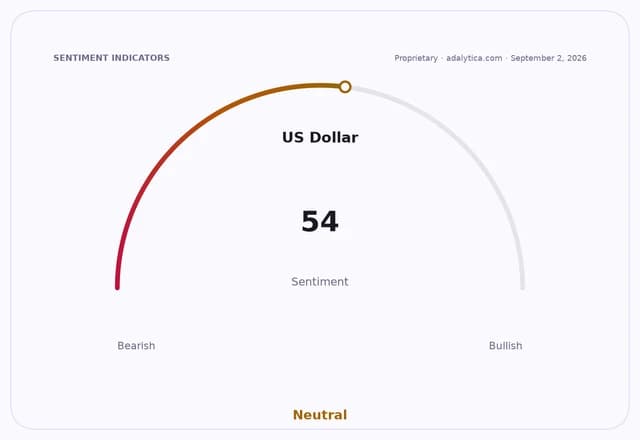
Sentiment IndicatorsⓘProprietary · adalytica.com · September 2, 2026
This is a snapshot — live sentiment, awareness and momentum for 130+ markets update continuously in the dashboard.Open AlphaPulse
For investors, the deal offers another test of demand for Asian financial names in a market still sensitive to rate volatility. Bank bonds across the region have seen yields retreat from record highs, with popular bank bond rates now clustered around 7.87% to 8.2% a year, according to market context. That has improved sentiment for issuers seeking to refinance or extend maturities.
The broader backdrop is one of cautious stabilization rather than a full thaw. Market signals on US assets are mixed, with Treasury-bond sentiment still neutral and the S&P 500 showing elevated fear readings, while conventional technical indicators on the LQD investment-grade bond ETF point to a market that has lost some momentum but is not under acute stress. That leaves issuance windows open, but still dependent on borrower quality and rate discipline.
Bangkok Bank’s dollar sale also fits a wider regional pattern of banks leaning on the bond market to manage liabilities as lenders and investors wait for more clarity on policy rates and exchange rates. If pricing comes tight enough, the deal could encourage more Southeast Asian banks to follow.
The next catalyst will be final terms on the notes, which will show how much investors demand for five- versus ten-year money and whether the market is willing to keep financing Asian banks at lower spreads.
| Entity | Gains | Losses |
|---|---|---|
| Bangkok Bank | ▲Dollar funding window | ▼Higher refinancing risk |
| Bond investors | ▲Yield pickup | ▼Duration and rate risk |
| Competing Asian banks | ▲Proof of market access | ▼Pressure to follow with deals |
| Existing dollar borrowers | ▲Easier pricing trend | ▼Less favorable if yields rise again |