Bangladesh raises fuel prices by Tk 20 a litre

Bangladesh has raised the price of all fuel oil by Tk 20 a litre, a move that will lift transport and production costs across the economy just as households are already under strain from elevated prices.
The Department of Energy and Mineral Resources said the new rates take effect from midnight on Sunday, with diesel rising to Tk 135 from Tk 115 a litre, kerosene to Tk 155 from Tk 135, octane to Tk 165 from Tk 145 and petrol to Tk 160 from Tk 140. The uniform increase across all grades makes this a broad-based input-cost shock rather than a narrow adjustment.
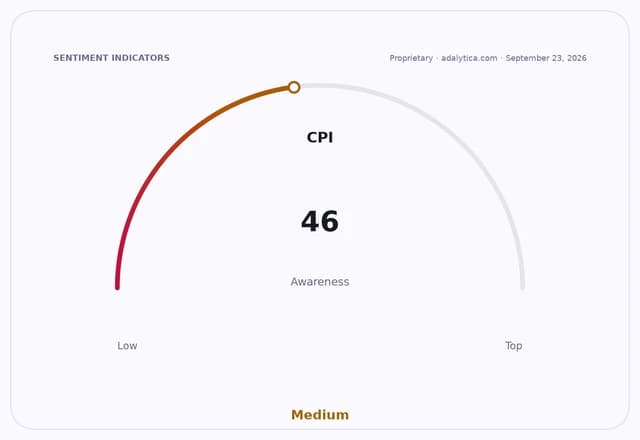
Fuel is one of the most important cost components in Bangladesh’s economy because it feeds directly into freight, agriculture, irrigation, manufacturing logistics and public transport. A Tk 20 increase is large in absolute terms and will quickly flow through to the prices of food and other essentials, especially in a market where inflation expectations remain sensitive to energy costs.
The timing matters too. Global crude benchmarks have been volatile, and the domestic adjustment suggests policymakers are passing on higher import and procurement costs rather than absorbing them through subsidies. That may help limit fiscal pressure, but it also risks worsening living costs and weakening consumer demand at a time when real incomes are already stretched.
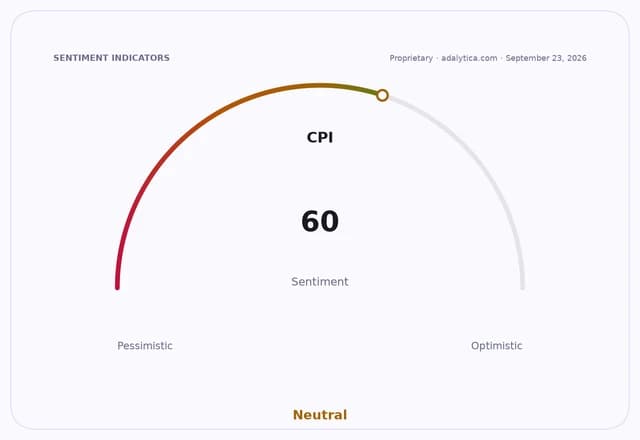
For investors, the immediate implication is higher inflation risk and a more cautious outlook for sectors exposed to transportation and energy use. Listed consumer companies, cement makers, logistics operators and industrial manufacturers may face margin pressure if they cannot pass on the higher costs quickly. On the other hand, fuel distributors and importers may see improved unit economics if the increase helps align retail prices more closely with replacement costs.
The move also carries macro significance beyond Bangladesh. Energy price adjustments are often the fastest channel through which imported inflation reaches the broader economy. If the increase feeds through as expected, it could complicate policy choices for the central bank and raise questions about how much room authorities have to support growth without reigniting price pressures.
In the near term, investors will be watching for the knock-on effect on transport fares, food prices and consumer spending, as well as any further changes in domestic fuel pricing that could shape inflation into the next quarter.
| Entity | Gains | Losses |
|---|---|---|
| Government | ▲lower subsidy pressure | ▼public anger over higher living costs |
| Fuel distributors/importers | ▲better price pass-through | ▼limited if demand weakens |
| Consumers/households | ▲none | ▼higher transport and food costs |
| Industrial users/logistics firms | ▲none | ▼higher input and freight costs |