Bangladesh Gas Crisis Shifts to Infrastructure Costs
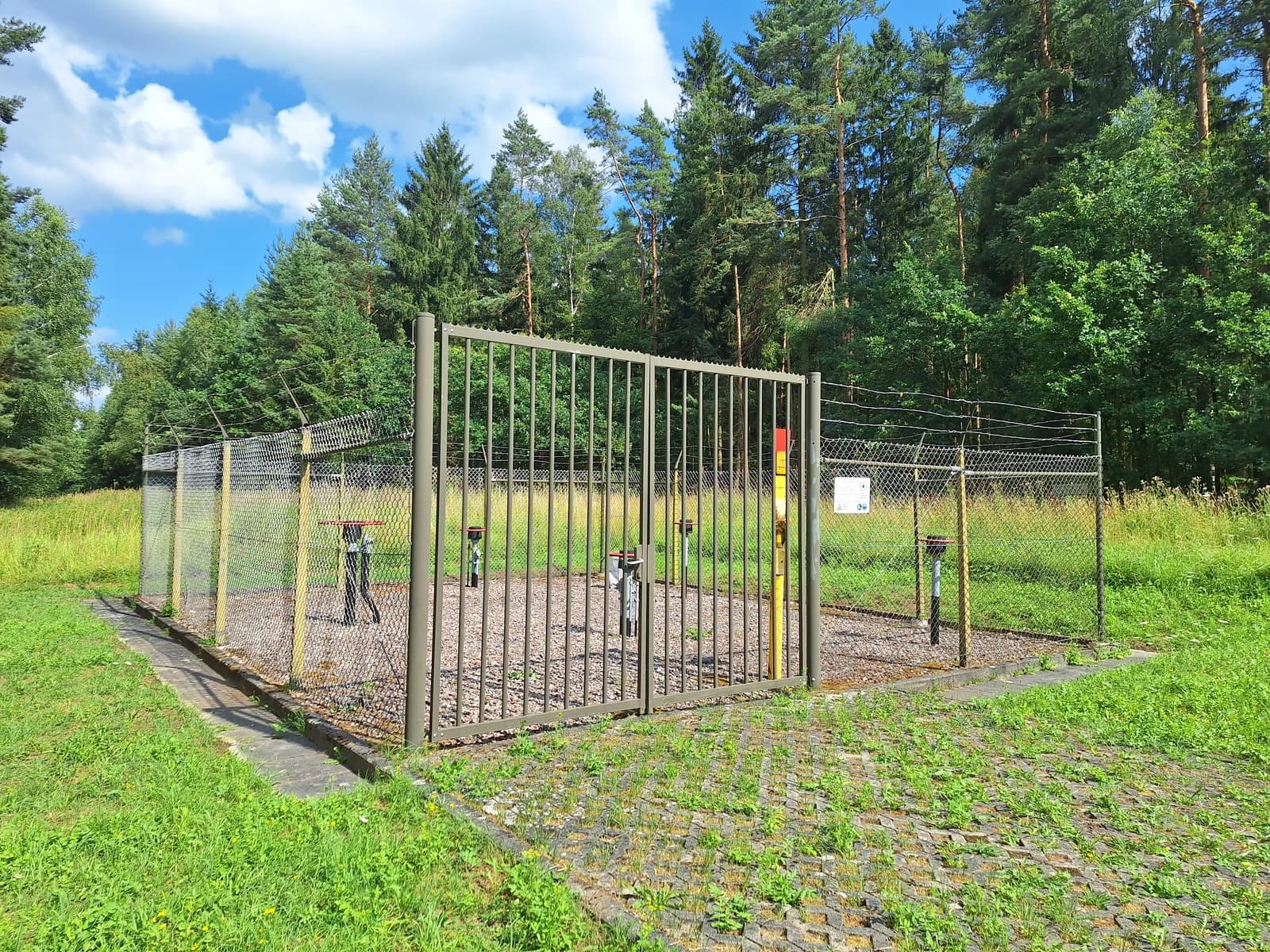
Bangladesh’s gas supply may be stabilizing, but the real investment story is that the country’s energy crunch is shifting from a short-term LNG logistics problem into a longer, more expensive infrastructure and power-generation problem.
That matters because Bangladesh is still leaning on LNG for roughly a quarter of its gas supply, and the cost of keeping the system afloat is rising fast. LNG import costs jumped to $3.8 billion in 2025 from $3 billion a year earlier, while cargo delays and faults at floating storage regasification units have left rural areas facing hours-long load-shedding. Normalized supply does not erase the damage already done to industrial output, household demand or government finances.
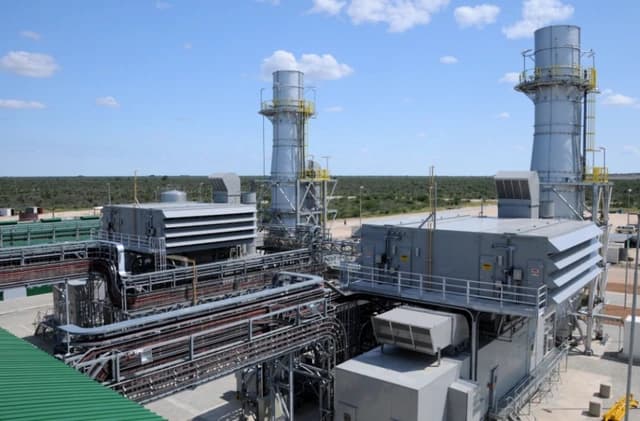
For investors, the message is that this is no longer just a spot-market gas story. It is a capital-allocation story across LNG suppliers, downstream power utilities and the infrastructure needed to move Bangladesh away from an overreliance on imported gas. The government’s decision to lock in 123 LNG cargoes over 12 years, including from US suppliers, underscores that import dependence is not ending anytime soon. It is simply becoming more contractual, more expensive and more strategic.
That is why the market underestimates the second-order winners. LNG producers and exporters with flexible cargoes remain in the frame, especially as global supply stays tight and shipping and transit risks linger. The 10-year US Treasury near 4.6% also matters here: higher global financing costs make it harder for emerging markets to fund rushed energy fixes, which tends to keep demand attached to whatever supply is already online rather than new buildouts that take years to deliver.
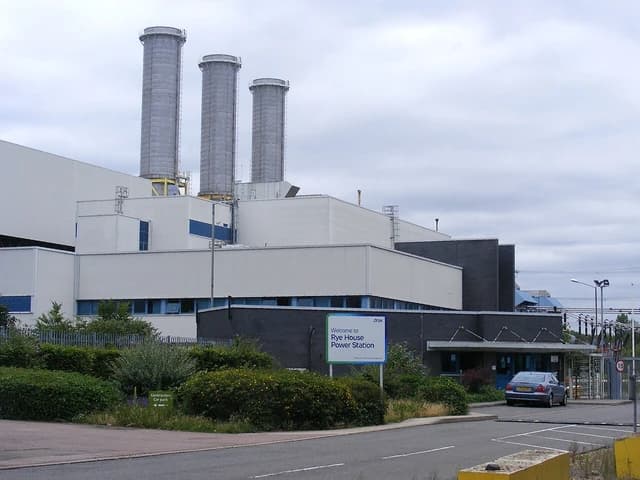
The bigger shift is in power. If Bangladesh wants double-digit growth, it cannot keep treating LNG as the permanent solution. It needs electricity grid investment, stronger transmission links and more diversified generation, including renewables. That favors companies positioned for utility expansion and grid modernization, while exposing the weakness of businesses that depend on cheap, reliable gas flows that no longer exist.
In the US market, LNG remains the cleaner way to play the theme than chasing the most cyclical gas price swings. The stock has already broken higher, with the shares at $271.64 versus a 50-day moving average of $250.79, while RSI readings have recovered to 62.5 and MACD has turned positive again. That is not a distressed chart; it is a market starting to price in durable export demand. EQT also stands to benefit if global LNG demand keeps pulling on US gas, though its move is more tied to upstream pricing than export infrastructure. Sempra’s utility and LNG footprint makes it a cleaner way to own the intersection of power demand and gas export growth.
Adalytica’s Natural Gas Market Trade Signals remain at Extreme Greed, while its Global Stability Sentiment is in Extreme Fear, a combination that fits the setup: traders are chasing supply tightness even as the geopolitical and infrastructure risks remain unresolved. That is exactly when the best opportunities tend to appear before consensus catches up.
My takeaway: don’t mistake “normal supply” for a solved problem. Bangladesh’s crisis is evolving into a multi-year infrastructure rebuild, and that keeps LNG exporters, gas infrastructure names and electrification beneficiaries in the sweet spot. The crisis is not over — it is just moving to the next, more investable stage.
| Entity | Gains | Losses |
|---|---|---|
| LNG exporters | ▲Long-term cargo demand | ▼Spot-market volatility |
| US suppliers | ▲New contract volumes | ▼Uncertain pricing power |
| Bangladesh utilities | ▲Grid investment need | ▼Load-shedding pressure |
| Gas-dependent industry | ▲Some supply relief | ▼Higher energy costs |