Bangladesh’s securities regulator has approved intraday trading in a bid to improve liquidity and speed up price discovery in a market that has long struggled with thin turnover and cautious participation.
Bangladesh Approves Intraday Trading to Lift Liquidity
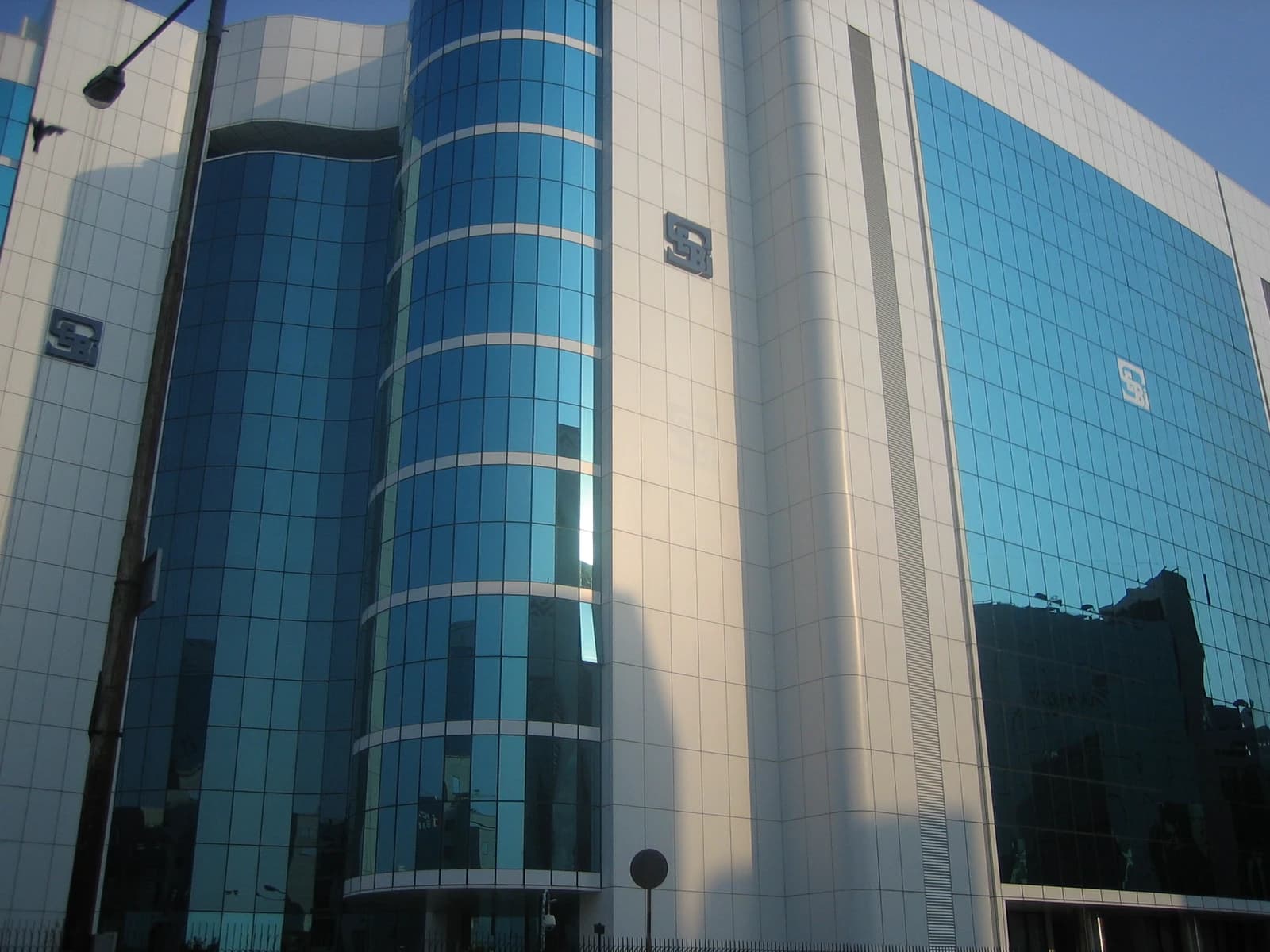
The move from the Bangladesh Securities and Exchange Commission, or BSEC, matters because intraday trading can make it easier for investors to enter and exit positions within the same session, potentially narrowing bid-ask spreads and drawing in more active traders. For a market where liquidity is often a structural constraint, any policy that increases trading frequency can have outsized effects on volumes, valuations and sentiment.
Sentiment IndicatorsⓘProprietary · adalytica.com · July 14, 2026
This is a snapshot — live sentiment, awareness and momentum for 130+ markets update continuously in the dashboard.Open AlphaPulse
For investors, the immediate appeal is flexibility: day trading can support higher volumes in large-cap names and create more opportunity for short-term strategies. The longer-term question is whether the rule change attracts enough institutional and retail participation to materially deepen the market rather than simply increase churn.
The backdrop is a market that needs catalysts. In emerging and frontier markets, reforms that improve market microstructure often matter as much as earnings news because they shape how easily capital moves and how much risk investors are willing to take. If the new framework is implemented cleanly, it could help the exchange compete for flows against bank deposits and other low-volatility assets.
Still, the impact will depend on execution, settlement rules and whether brokers and investors adapt quickly enough to use the new trading window. Traders will be watching for the first signs of volume pickup, while policymakers will be looking to see whether the reform broadens participation without adding instability.
| Entity | Gains | Losses |
|---|---|---|
| Active traders | ▲More intraday opportunities | ▼Higher execution risk |
| Brokers/exchanges | ▲Higher turnover, fees | ▼Greater operational load |
| Long-only investors | ▲Better liquidity, easier exits | ▼Less calm order flow |
| Bank deposits/idle cash | ▲None | ▼Potentially less retail money |