Bangladesh LNG subsidies near Tk 40,000 crore
Bangladesh’s liquefied natural gas subsidy bill is on track to almost triple to Tk 40,000 crore this fiscal year as the Middle East war chokes supply routes and forces Dhaka back into the volatile spot market, deepening pressure on the budget, the taka and inflation.
The jump matters because energy subsidies are turning into one of the government’s biggest fiscal drains just as the economy absorbs a fresh external shock. Bangladesh already spent Tk 7,200 crore in the first two months of the fiscal year, according to a finance ministry official, after LNG subsidies ballooned to Tk 14,500 crore last year from an initial allocation of Tk 6,000 crore.

Dhaka is now seeking extra support from the World Bank, Asian Development Bank and Asian Infrastructure Investment Bank, while weighing a freeze on lower-priority infrastructure projects to preserve cash. Power subsidies could also climb to Tk 50,000 crore, adding to a widening budget squeeze that risks higher borrowing costs and less room for growth spending.
The strain is being driven by the collapse of long-term supply terms and the disruption of shipments through the Strait of Hormuz. Qatar, one of Bangladesh’s main suppliers, has invoked force majeure, pushing the country into spot cargoes at a time when regional LNG prices have jumped sharply.
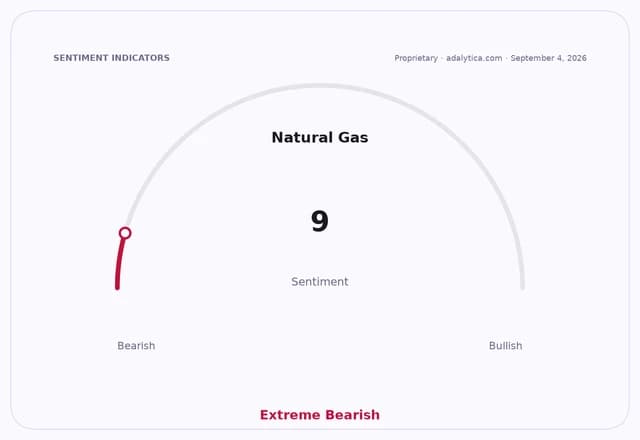
Bangladesh approved a cargo at more than $28 per MMBtu, its highest price since 2022, and the shipment is worth more than $100 million. At that level, analysts say the government subsidy requirement per cubic metre becomes unsustainable, especially since Petrobangla’s selling price remains far below import cost.
The economic fallout is already spreading beyond the fuel bill. LNG imports fell nearly 13% in January-August from a year earlier, but the lower volumes have not brought relief because the cost per unit has soared. If current prices persist, Bangladesh’s fossil-fuel import bill could rise by 30% in 2026, equal to roughly a tenth of the trade deficit and a further drag on the currency and inflation.
The power sector is among the clearest losers. With 64% of electricity generation dependent on gas, shortages have left the grid short by as much as 3,592MW on one of the worst days, while rural outages are stretching to 10 hours. Industrial users are taking the hit too: six of the country’s seven major fertiliser plants have cut output or shut, and garment factories are reporting production declines of 15% to 20% in key hubs.
For investors, the story is less about commodity prices than about Bangladesh’s balance of payments and sovereign finances. Higher LNG costs worsen subsidy dependence, raise import demand for dollars and make the taka more vulnerable, while energy shortages threaten exports, factory utilization and corporate earnings across fertiliser, textiles and power-intensive industries.
Bangladesh has already lined up additional cargoes from the UK, Australia, Malaysia and Oman and signed a long-term agreement for 117 LNG cargoes from the United States starting in 2026. But analysts warn that more terminals and more imported gas could lock the country into a structurally expensive model unless global prices normalize.
The key risk now is that the war and shipping disruptions keep LNG elevated into next year, leaving Bangladesh paying more for less energy and forcing policymakers to choose between bigger subsidies, higher tariffs or deeper power cuts.
| Entity | Gains | Losses |
|---|---|---|
| LNG exporters | ▲Higher spot prices | ▼Demand volatility |
| Bangladesh government | ▲Emergency lender support | ▼Fiscal deficit |
| Power users & industry | ▲None | ▼Fuel shortages, outages |
| Multilateral lenders | ▲New financing role | ▼Greater country exposure |