Bangladesh Metro Rail Lines 1 and 5 Cost Overruns
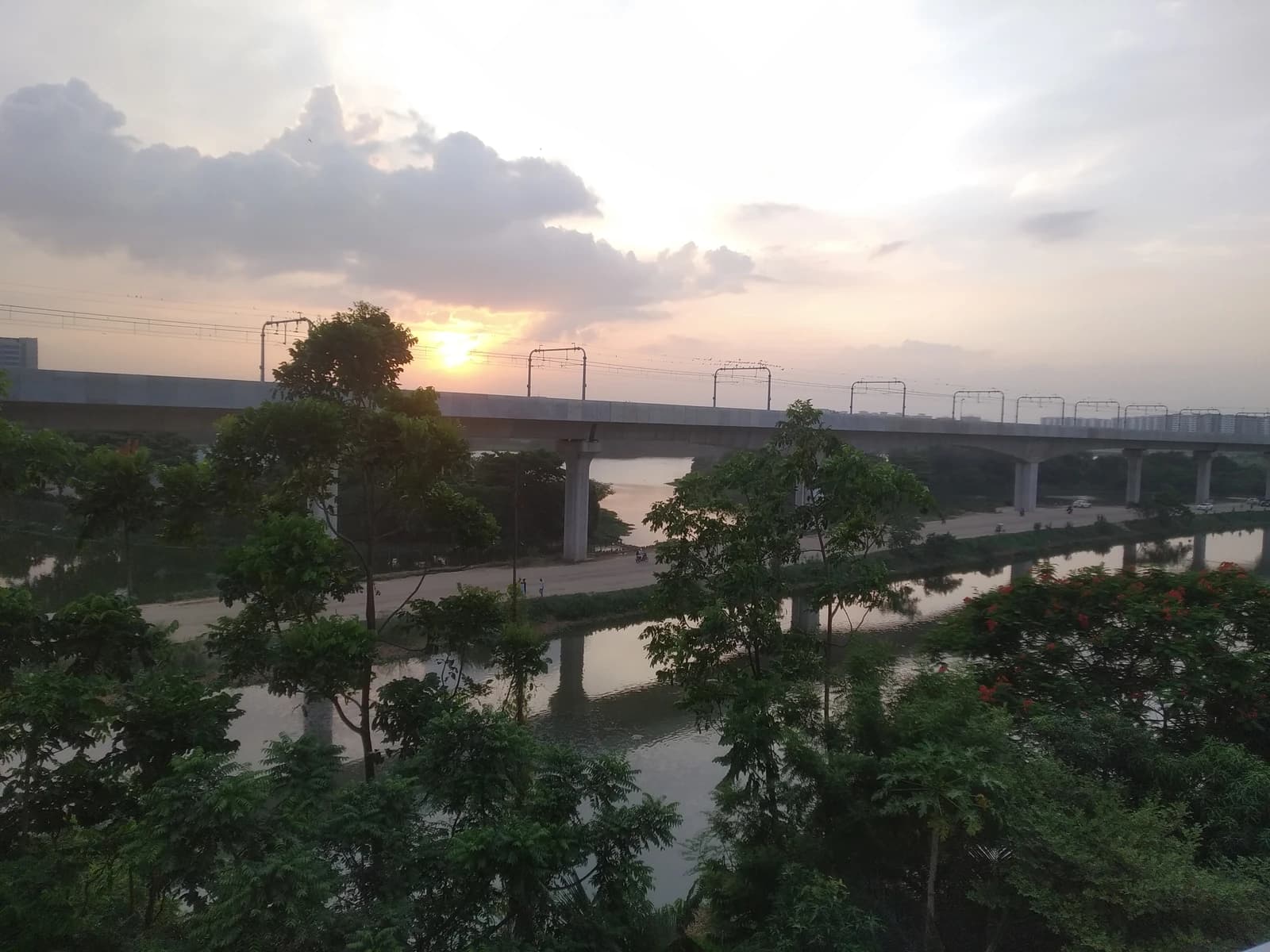
Bangladesh’s planned Metro Rail Line 1 and Line 5 are poised to cost more than twice their original estimates, a sharp escalation that underscores how currency weakness, inflation and new taxes can turn a flagship infrastructure program into a fiscal stress test.
That matters because transport megaprojects are not just construction stories in emerging markets — they are balance-sheet events. When imported equipment, rolling stock and specialist engineering services are priced in dollars, every slide in the local currency raises the final bill. Add inflation and tax changes, and the gap between an approved budget and a real-world project can widen fast, forcing governments to either borrow more, delay work or cut back on scope.
An independent expert committee set up by the government found the costs for the two metro lines could more than double the initial estimates, according to the seed report. For a country like Bangladesh, which has leaned heavily on infrastructure to support urbanization and productivity gains, that kind of overruns ripples beyond the rail ministry. It can pressure the fiscal deficit, complicate debt planning and crowd out spending on other priorities just as financing conditions remain tighter globally.
Investors should read this as part of a broader emerging-market infrastructure squeeze. The dollar’s strength against local currencies raises imported capex everywhere, while elevated construction costs can delay returns on projects that were already expected to take years to pay back. In Bangladesh, that means lenders, contractors and suppliers may face renegotiations, while sovereign risk investors will watch for any sign that the government leans more heavily on external borrowing.
The market backdrop reinforces the pressure. The U.S. dollar has remained under scrutiny as trade and currency signals stay volatile, and UUP, the dollar index ETF, has held above its 50-day and 200-day moving averages, suggesting the dollar remains supported even after recent swings. That keeps imported infrastructure expensive for countries funding projects in foreign currency terms, especially when their own inflation and financing costs are already elevated.
There is also a second-order investment angle. As metro projects get pricier, the winners are not the sovereign sponsors but the firms selling financing, engineering expertise, and cost-control technology — while the losers are taxpayers, public budgets and any contractor exposed to fixed-price contracts. If Bangladesh is forced to reprioritize spending, the immediate casualty is not the concept of urban rail but the pace of execution and the credibility of future project pipelines.
For investors, the takeaway is simple: rising dollar costs are not an abstract macro theme; they are a direct threat to infrastructure budgets across South Asia and beyond. The best positioning is in the picks-and-shovels that help governments build more efficiently — and in avoiding projects whose economics only worked under a cheaper dollar and a calmer inflation backdrop.
| Entity | Gains | Losses |
|---|---|---|
| USD | ▲Higher imported project costs | ▼Borrowers with dollar debt |
| Bangladesh government | ▲Potential pressure to reprioritize spending | ▼Fiscal flexibility |
| Contractors/suppliers with inflation pass-through | ▲Better pricing power | ▼Fixed-price project bidders |
| Metro Rail Line 1 and 5 users/taxpayers | ▲Better chance of cost scrutiny | ▼Delays and higher public burden |