Bangladesh rates fall as bank liquidity surges
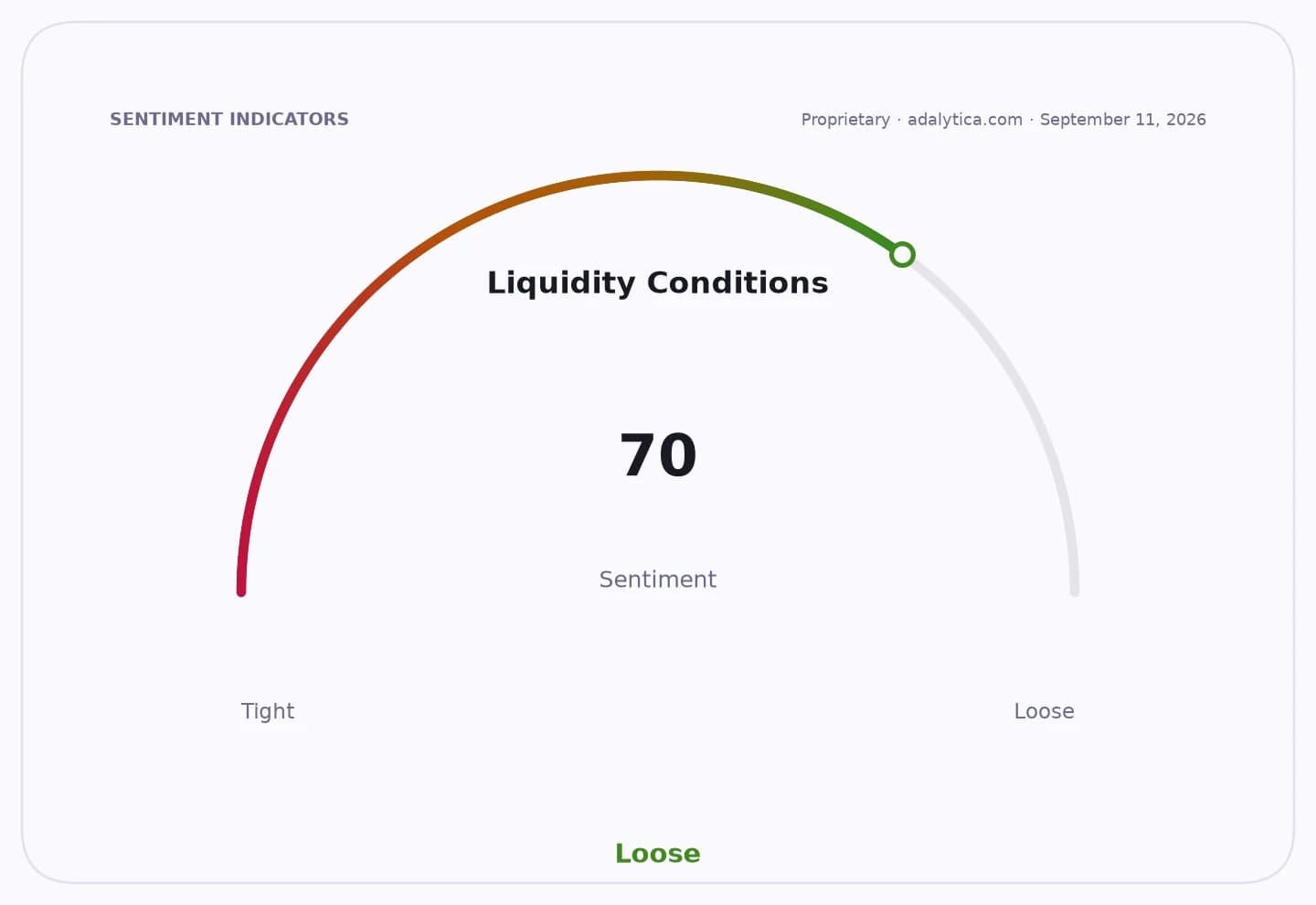
Money is getting cheaper in Bangladesh, but the fall in borrowing costs is being driven by a slowing economy rather than a healthy pickup in lending.
By June 2026, excess liquidity in the banking system had jumped 39.4% from a year earlier to more than Tk4 lakh crore, while private-sector credit growth sank to 4.47% in June, the weakest pace in 33 years. Banks are sitting on cash they cannot deploy, pushing down lending and deposit rates, compressing Treasury yields and forcing lenders to park more money in government securities instead of new corporate loans.
The imbalance matters because it shows monetary easing is not being transmitted through a normal credit cycle. Bangladesh Bank has cut its policy rate by 50 basis points to 9.5% and is supplying stimulus liquidity, but the cheaper funding is not translating into investment. Businesses are still holding back because of gas and power shortages, political uncertainty and broader macro weakness, leaving banks with little choice but to chase sovereign paper. Average deposit rates at sound banks now hover around 7% to 9%, while lending rates have fallen toward 10% to 12%, but that spread reflects weak loan demand more than competitive expansion.
That makes the current rate decline a warning sign for the broader economy. Inflation eased to 8.26% in August, but remains above the government’s 7.5% target, leaving Bangladesh in a fragile mix of elevated prices, low growth and high unemployment. Economists warn that easing policy without fixing supply bottlenecks could prolong stagflation rather than revive activity, especially if cheap liquidity leaks into asset and consumer prices without lifting productive capacity.
The foreign-exchange market tells the same story. Strong dollar inflows and weak import demand have pushed up the taka, forcing the central bank to resume dollar purchases to slow appreciation and protect exporters and remitters. Bangladesh Bank bought $50 million from banks at Tk122.75 on Sept. 1, above remittance market rates, and reserves have climbed to $36.33 billion. That gives the central bank some room to ease, but it also underscores how subdued domestic demand has become.
For investors, the key question is whether lower rates improve earnings quality or simply reflect a trapped banking system. Banks with strong deposit franchises and access to government securities may preserve margins for a while, but loan growth remains too weak to drive meaningful credit expansion. If private investment does not recover, lower rates will be a symptom of stagnation, not a catalyst for it. The next test is whether fiscal spending, energy supply improvements and political stability can restore loan demand before easier money becomes another source of inflation pressure.
| Entity | Gains | Losses |
|---|---|---|
| Banks with excess liquidity | ▲Lower funding costs | ▼Weak loan growth |
| Government securities market | ▲More bank demand | ▼Higher borrowing competition |
| Exporters and remitters | ▲Softer taka pressure relief | ▼Stronger currency risk |
| Borrowers and households | ▲Cheaper credit | ▼No real investment pickup |