Bangladesh Shop Curfew Cuts Retail Sales
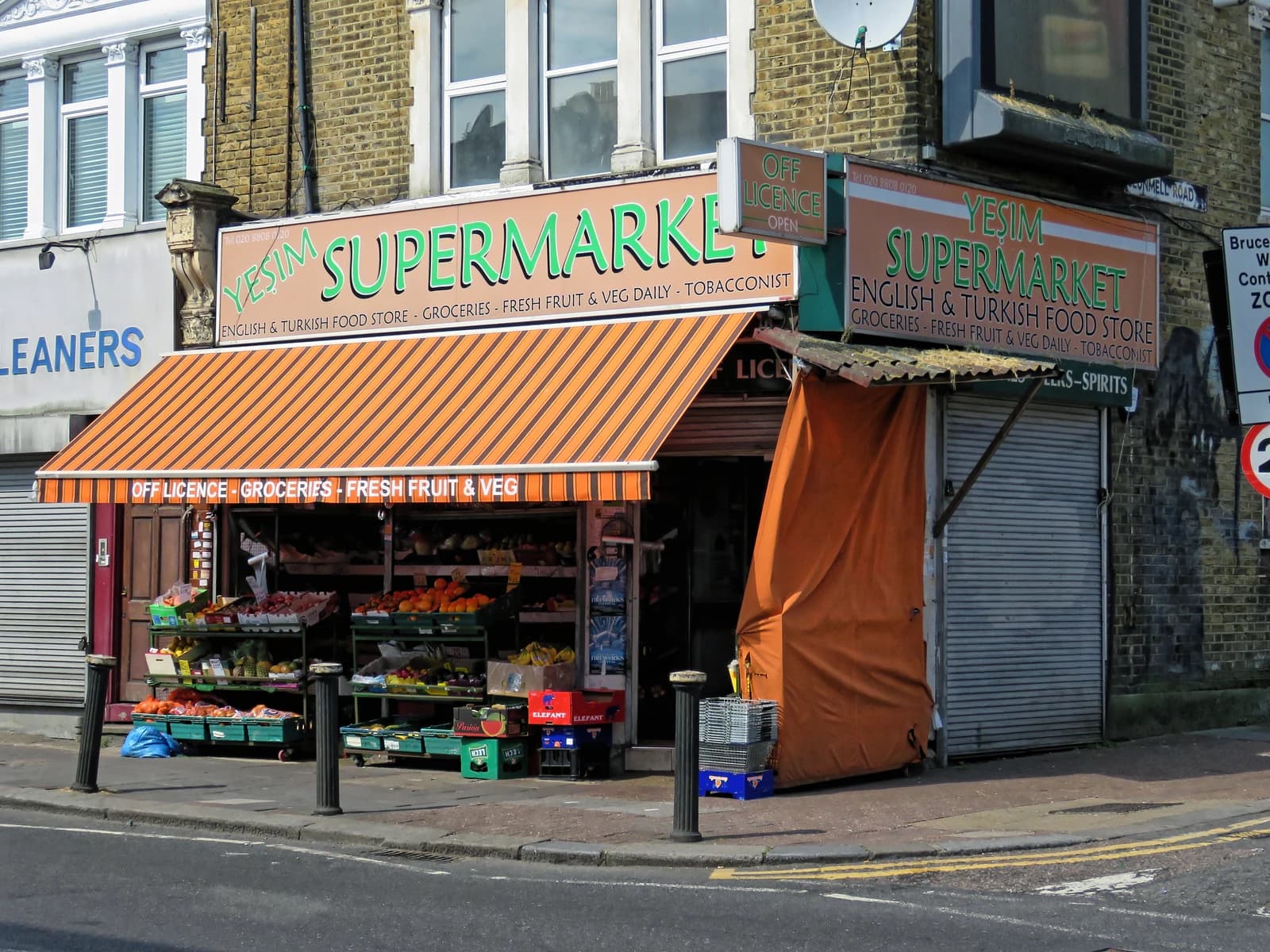
Bangladesh’s order to shut shops and malls by 8 p.m. is wiping out as much as 30% of sales at some retailers, turning an energy-saving measure into a direct hit to household consumption, margins and cash flow.
The biggest economic consequence is not just lower turnover but a squeeze on already fragile profitability in a sector facing inflation, higher input costs and fixed overheads that have not adjusted to the shorter trading day. Retailers say the earlier closing time has removed the evening sales window when customers are most active after work, especially for footwear, fashion and discretionary purchases.
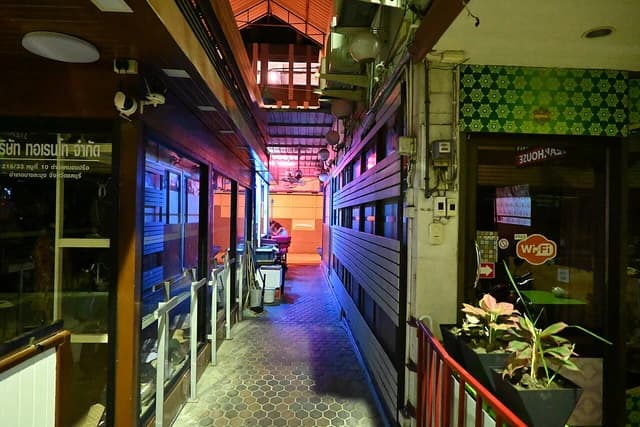
Businesses say the damage is broad and immediate. Kay Kraft’s managing director said fashion and lifestyle sales have fallen 25% to 30% over the past month as inflation and reduced shopping hours cut demand. Apex Footwear said about 60% of domestic sales normally happen after 8 p.m., and its local business has dropped 20% to 30% since the new restriction. Lotto Bangladesh said sales fell around 20% within a month, while Mustafa Mart reported a 30% decline and one outlet’s daily revenue dropped from about Tk 3 lakh to Tk 70,000.
The pressure is especially acute because rents, salaries and other operating costs have stayed largely unchanged. That leaves retailers absorbing the shock rather than passing it on, at a time when consumers are already under strain from prolonged inflation and weaker purchasing power. For smaller chains, the result is a rising risk of permanent closures and deeper consolidation in the domestic market. One footwear operator said it had already shut about 70 outlets amid weak demand, rising costs and the energy crunch.
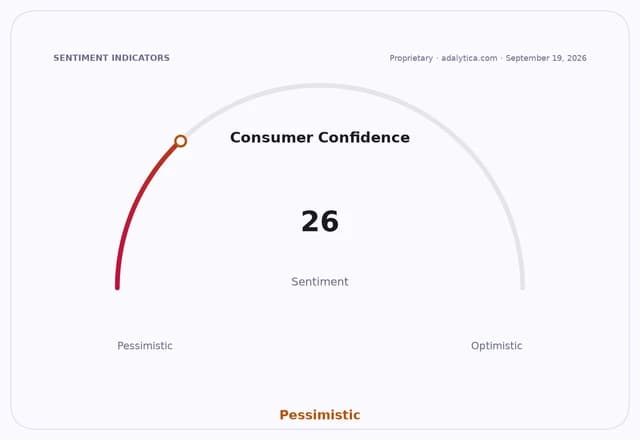
For investors, the story matters as a read-through on consumption, retailer earnings and the durability of Bangladesh’s domestic demand recovery. The latest restrictions reduce store productivity, hurt evening-heavy formats and increase the chance that margins will come under further pressure even if sales volumes stabilize elsewhere in the day. That is bearish for listed or exposed consumer names, suppliers tied to discretionary spending and landlords relying on retail traffic.
The policy also highlights the broader trade-off between energy security and growth. Authorities say the 8 p.m. cutoff is unlikely to be relaxed while power shortages persist, and grid data show a roughly 1,913MW deficit at the evening peak on Sept. 14. That suggests the retail drag may continue through the current demand cycle, with any relief dependent on a sustained improvement in electricity supply.
For now, the key investor question is whether this is a temporary operating inconvenience or another sign that Bangladesh’s consumer sector is entering a longer period of margin compression and demand destruction. If evening power shortages persist, the cost will show up not only in retail sales but in weaker employment, softer supplier orders and slower economic activity more broadly.
| Entity | Gains | Losses |
|---|---|---|
| Power authorities | ▲Lower evening demand | ▼Retail sales growth |
| Large essential retailers | ▲Relative traffic stability | ▼Discretionary chains |
| Fashion and footwear stores | ▲None | ▼Peak-hour revenue |
| Consumers | ▲Short-term energy reliability | ▼Shopping convenience |