Bangladesh Wheat Imports Lift Grain Traders
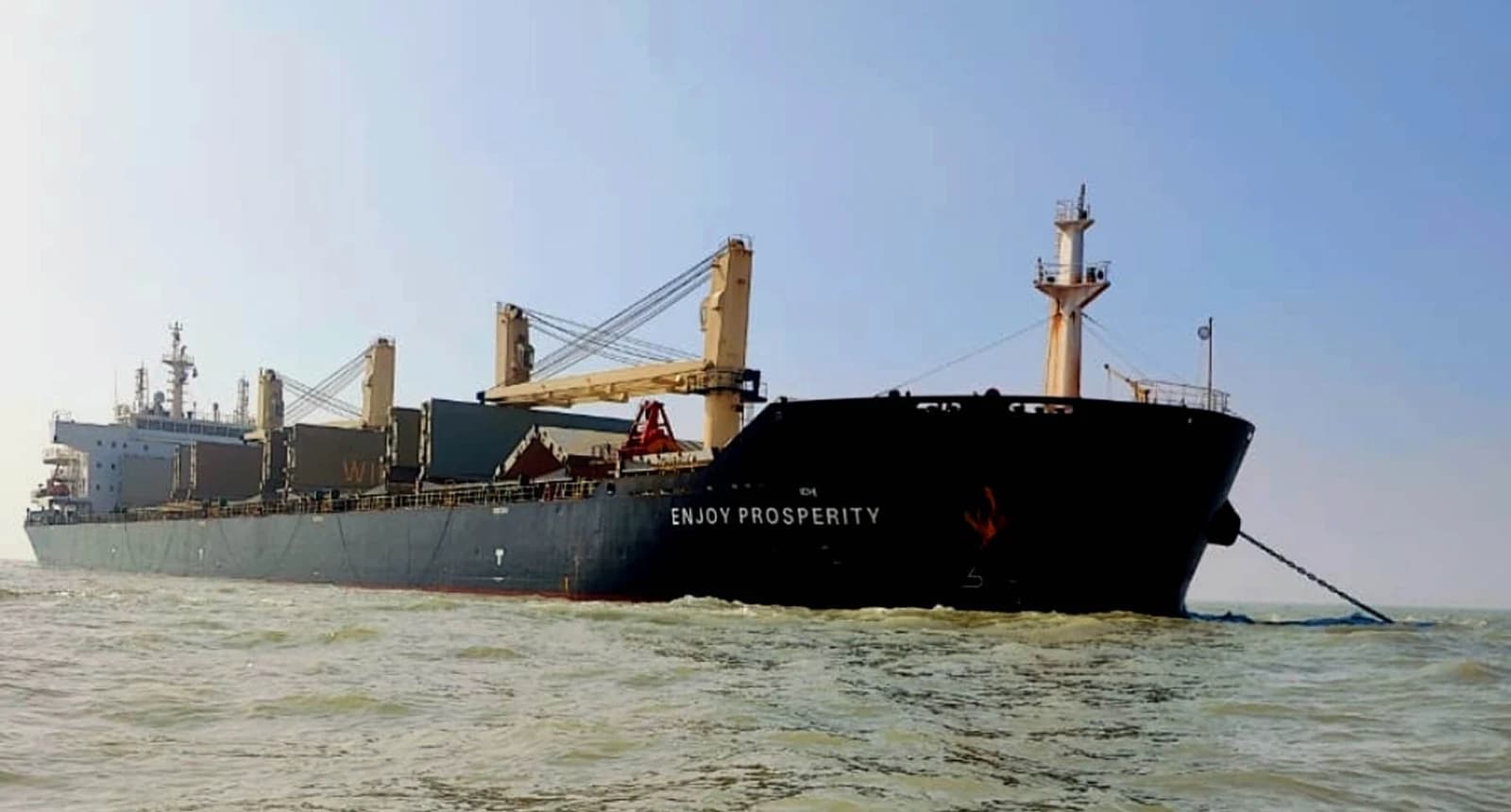
Bangladesh’s wheat imports have jumped to an all-time high, underscoring how tightening domestic supply in South Asia is forcing buyers back into the global market and creating a fresh tailwind for grain exporters, traders and agri-input names.
That matters because food inflation is never just a farm story. When a fast-growing import market like Bangladesh has to lean harder on overseas wheat, it tightens regional supply chains, lifts procurement needs and leaves governments with fewer easy options to cushion consumers. For investors, that is the setup for a multi-layered trade: stronger demand for wheat futures, higher utilization for global merchandisers and a second-order boost for companies that move, store, finance and hedge agricultural commodities.
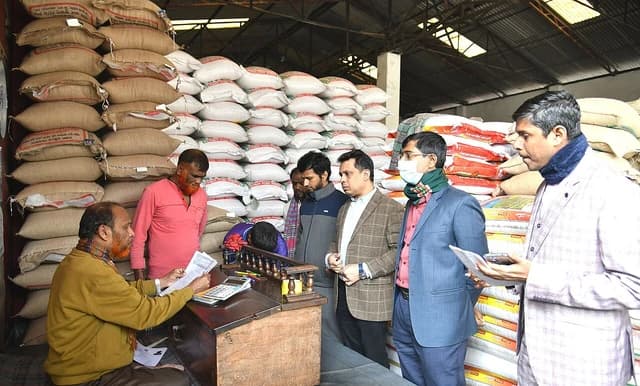
The pressure is visible well beyond Bangladesh. Reuters reports that Pakistan is wrestling with a worsening wheat supply crisis, while protests over imports and low prices paid to farmers reflect how fragile domestic production has become in parts of the region. At the same time, broader price gauges show food costs are not falling back to comfort levels: the U.S. producer price index for processed goods has been rising again, and crude oil remains high enough to keep freight and fertilizer costs elevated, even after recent volatility. In other words, this is not a one-off shipment spike. It is a sign that food systems are still vulnerable to weather, policy missteps and input-cost shocks.
That backdrop is important for the listed winners. The most direct beneficiary is the wheat complex itself. The Teucrium Wheat Fund, which tracks wheat exposure, has been trading above both its 50-day and 200-day moving averages, while recent RSI readings have moved back toward neutral-to-firmer territory and momentum has improved after a mid-year pullback. That does not make wheat a straight-line trade, but it does suggest the market is starting to price in the idea that global demand is not as soft as some had assumed.
The more durable opportunity, in my view, sits with the infrastructure around the grain trade. Archer-Daniels-Midland has rebounded sharply from earlier weakness and remains well above its 200-day average, while Bunge has been one of the strongest names in the group, reflecting how traders are positioning for sustained agricultural flows. These businesses do not need wheat prices to explode higher; they need volume, volatility and dislocations. A world where Bangladesh, Pakistan and other importers are scrambling for supply is a world where physical merchants can earn better spreads.
There is also a policy angle the market may be underappreciating. When food-importing countries are forced to buy more wheat abroad, governments often face an ugly choice between protecting farmers and suppressing consumer prices. That tension can lead to abrupt tariff changes, import tenders, subsidy shifts or export restrictions elsewhere, all of which add volatility to grain markets and create trading opportunities for the largest intermediaries.
For investors, the thesis is straightforward: the wheat story is no longer just about harvests, it is about structural dependence. Bangladesh’s import surge is another signal that global grain demand is being pulled upward by food-security stress, not consumer exuberance. I believe that favors exposure to wheat-linked vehicles on dips and, more importantly, to the toll roads of agriculture — ADM and Bunge — where the upside can compound as the world leans harder on traded food.
The market underestimates how persistent this theme can be. If South Asia’s supply problems linger into the next planting cycle, wheat imports could stay elevated, grain prices could remain supported and the companies that control logistics, origination and storage could be the real long-duration winners. For now, the actionable takeaway is to treat the Bangladesh import surge as a signal, not an isolated headline: it is a buyable reminder that food security is becoming an investable megatrend.
| Entity | Gains | Losses |
|---|---|---|
| Global grain traders | ▲Higher volumes, wider spreads | ▼ |
| ADM | ▲More origination and handling demand | ▼ |
| Bunge | ▲Stronger export flows, pricing power | ▼ |
| Bangladesh farmers | ▲ | ▼Import competition, weaker local pricing |