Bank Indonesia Expected to Hold Rate at 5.75%
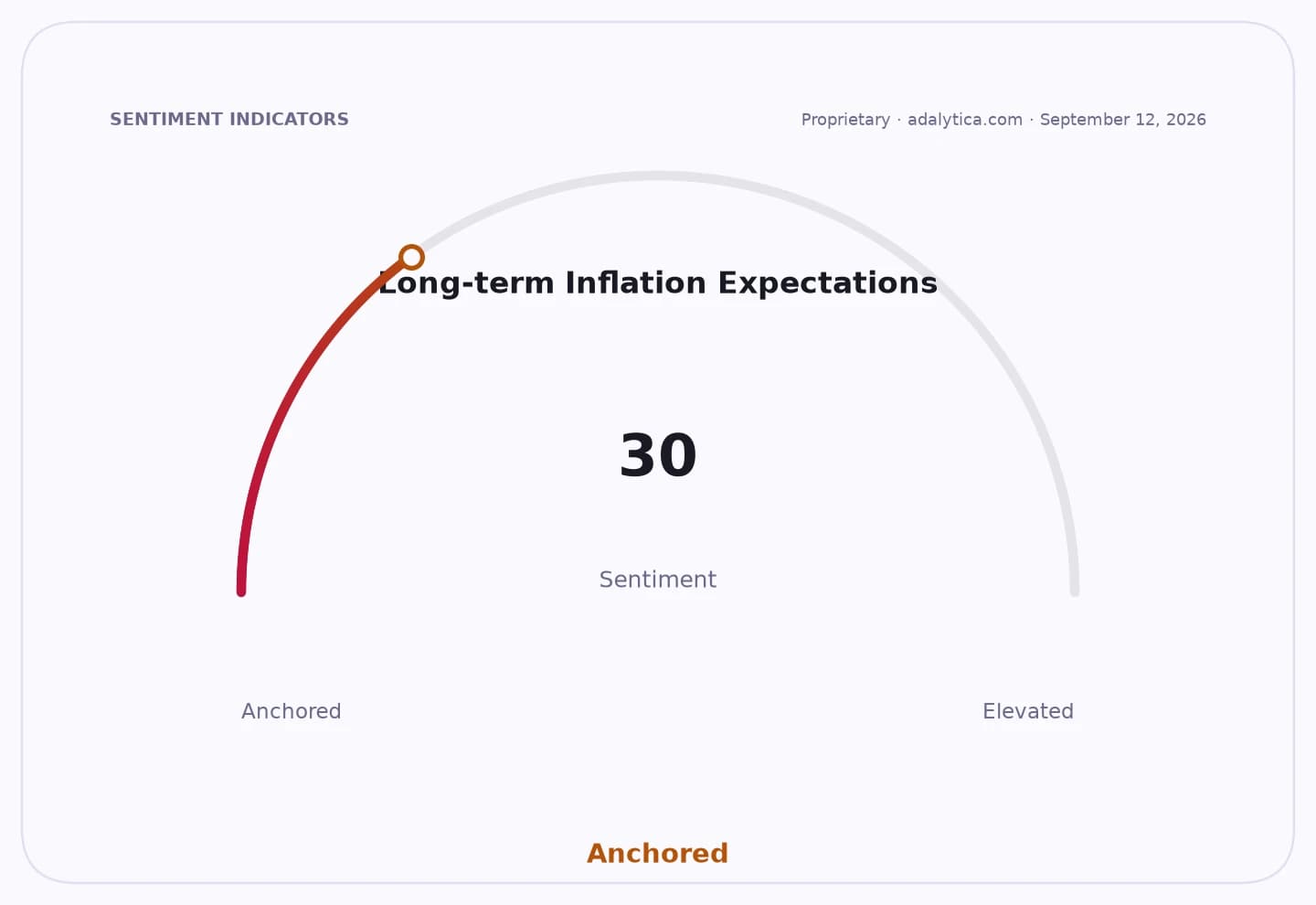
Bank Indonesia is widely expected to keep its benchmark rate at 5.75%, as easing inflation pressures, still-positive capital inflows and a stabilizing rupiah give policymakers room to pause after 100 basis points of hikes this year.
The shift matters because it suggests BI has likely done enough to protect financial stability without having to lean further on growth. For markets, a pause would remove an immediate headwind for government bonds and equities, while keeping the central bank in a wait-and-see mode as it watches the next move in global rates and the dollar.
DBS Bank senior economist Radhika Rao said BI’s inflation target has effectively been met, making this year’s rate peak likely already in place. That view is reinforced by the central bank’s own market operations: returns on rupiah BI securities, or SRBI, appear to be topping out and auction frequency has been reduced, both signs that the tightening cycle is losing urgency.
The macro backdrop also helps explain why BI can afford to stand pat. Although imports have risen and the trade balance is no longer as strong as before, Indonesia is still drawing in enough foreign money through direct investment, portfolio flows and SRBI instruments to offset weaker trade. In other words, the external accounts are not flashing the kind of stress that would force more aggressive monetary defense of the rupiah.
That matters for investors because currency stability is the anchor for local fixed-income and equity valuations in Indonesia. A steady rupiah reduces pressure on imported inflation and helps support bond demand, while a pause in rates can ease financing costs for borrowers and improve the earnings outlook for rate-sensitive sectors. The iShares MSCI Indonesia ETF, EIDO, has already been trying to recover after a steep mid-year selloff, while Indonesian-related market proxies in the data remain below longer-term moving averages, suggesting confidence is improving but not yet fully restored.
The risks are not gone. If capital inflows slow, the rupiah weakens materially or global yields rise again, BI could be forced back into a defensive posture. But for now the balance of evidence points to a central bank that has already front-loaded its tightening and can wait for a clearer read on the global economy before acting again.
| Entity | Gains | Losses |
|---|---|---|
| BI / policymakers | ▲More room to pause | ▼Less need for further tightening |
| Rupiah / bond market | ▲Stability support | ▼Pressure from weaker trade eases less |
| Borrowers / rate-sensitive sectors | ▲Lower financing strain | ▼Fewer near-term rate relief hopes are delayed |
| Inflation hawks | ▲Inflation remains contained | ▼Case for more hikes weakens |