Bank of Korea signals more rate hikes amid inflation
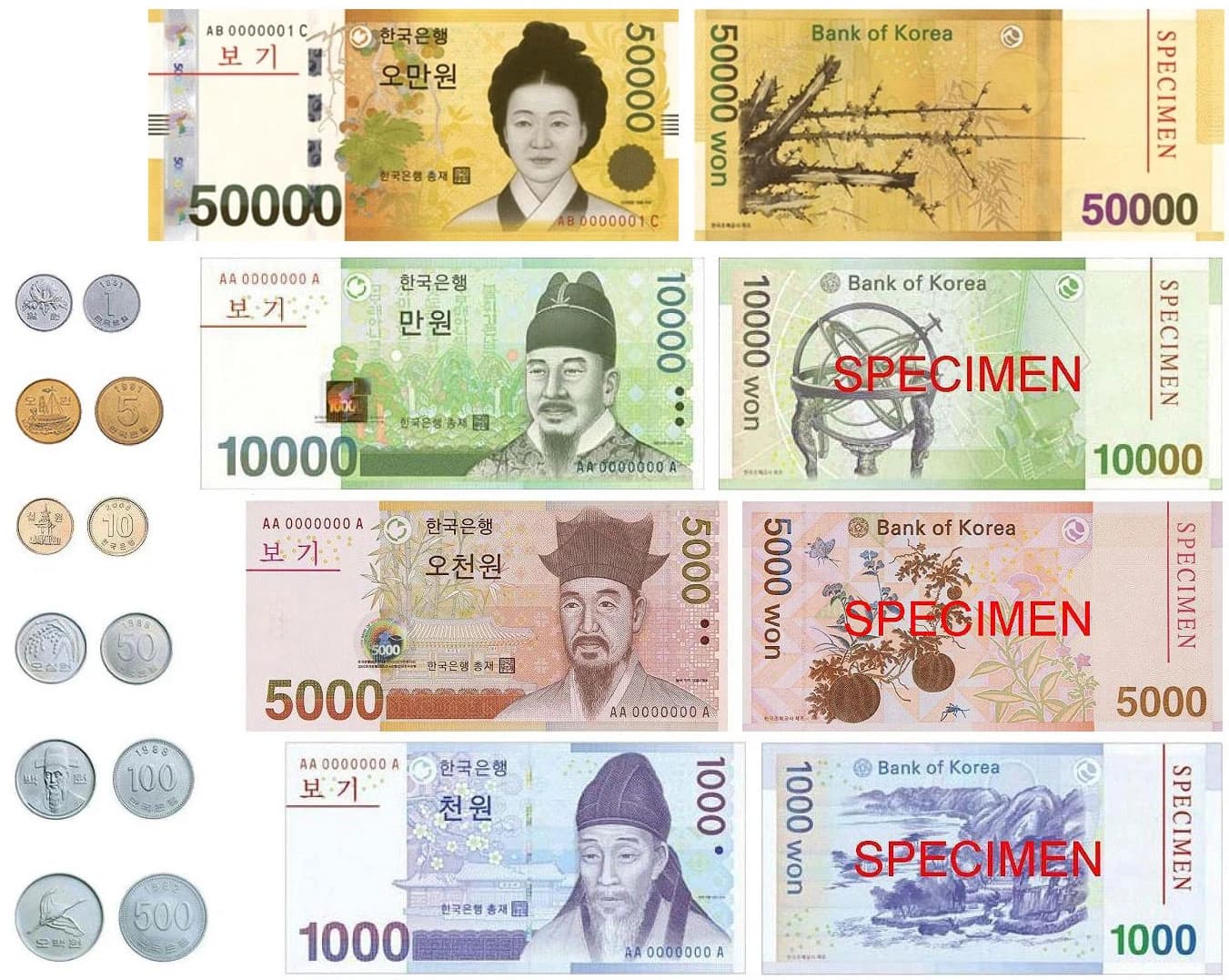
The Bank of Korea is signaling that further rate increases could come sooner than expected as an unusually strong nominal growth backdrop, sticky inflation and rising household debt keep pressure on policymakers to tighten further.
The central bank said in a policy report released Wednesday that export-led growth, driven by semiconductors, and inflation above its 2% target are likely to persist for some time, forcing it to weigh the timing and pace of additional increases in the policy rate. Vice Governor Park Jong-woo said Korea’s nominal GDP growth rate above 20% was the fastest since the high-growth era of the 1970s and was reshaping the economic outlook in ways that complicate monetary policy.
That matters because nominal growth, not just real activity, feeds directly into corporate revenues, wages, asset prices and tax receipts. For the BoK, the combination of strong top-line growth and still-elevated inflation reduces the case for an early pause, even after back-to-back 25-basis-point hikes in July and August. Consumer prices rebounded to above 3% last month, and fresh oil-price shocks have increased the risk that imported inflation will stay sticky.
Middle East tensions have added another layer of pressure. Brent crude has moved back above $100 a barrel, while West Texas Intermediate is close to $96, raising the odds that energy costs will spill into transport, manufacturing and retail prices in Asia’s fourth-largest economy. The BoK specifically flagged the possibility that external cost pressures could re-accelerate, while also warning that semiconductor-driven income gains could feed domestic demand and housing prices.
For investors, the shift raises the probability of a faster terminal rate and a longer period of restrictive policy. That is negative for rate-sensitive sectors such as housing, construction and highly leveraged households, but it is more constructive for the won if it helps cap imported inflation and narrow the yield gap with the United States. The currency has already strengthened from recent lows to around 1,339 per dollar, though it remains vulnerable to swings in Fed policy and global risk sentiment.
Equity investors are likely to see a mixed read-through. Exporters in semiconductors and industrials can still benefit from strong external demand and a weaker inflation impulse from a firmer won, but domestic cyclicals face the twin drag of higher borrowing costs and pressure on household purchasing power. The BoK also highlighted risks from a still-heating housing market and rapid household credit growth, both of which could argue for tighter financial conditions even if growth remains solid.
The key question now is whether the central bank treats the current phase as a temporary oil and earnings shock or as evidence that Korea has moved into a higher nominal-growth regime. If the latter holds, policymakers may choose to accelerate the pace of tightening before inflation expectations become more entrenched.
| Entity | Gains | Losses |
|---|---|---|
| Bank of Korea | ▲More room to tighten | ▼Less room to pause |
| Korean won | ▲Support from tighter policy | ▼Vulnerable to Fed and oil shocks |
| Exporters, especially semiconductors | ▲Stronger nominal growth, external demand | ▼Higher funding costs |
| Households and mortgage borrowers | ▲— | ▼Higher interest burden, weaker purchasing power |