Bank of Canada Holds Rate at 2.25% as Inflation Risks Rise
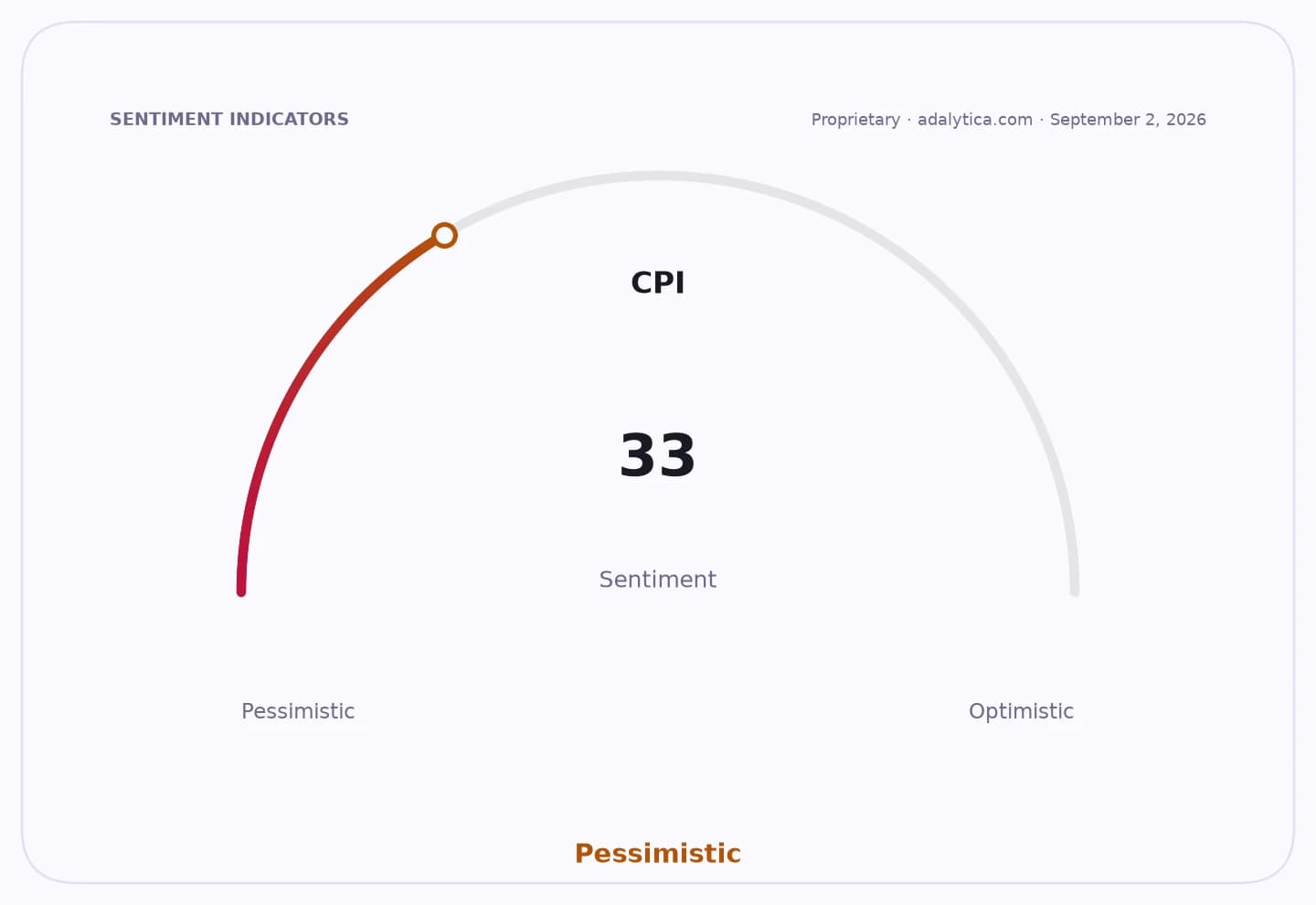
The Bank of Canada’s decision to leave its benchmark rate at 2.25% is more than a pause — it is a warning that inflation risks are rising again just as Canada’s economy is losing momentum.
That matters because central banks do not hold steady when they are comfortable. Governor Tiff Macklem and his colleagues are telling investors that higher fuel costs and U.S. tariffs on Canadian goods could keep price pressures sticky, even as growth cools. In other words, Canada is facing an awkward mix of slower activity and firmer inflation, the kind of backdrop that leaves policy makers with fewer easy options.

For households, the message is simple: borrowing costs are unlikely to fall quickly if inflation stops easing. For businesses, especially exporters and importers caught in the tariff dispute, the risk is higher input costs, weaker demand, and more uncertainty around margins. And for investors, that combination usually favors balance-sheet strength, pricing power, and steady cash flow over the most rate-sensitive parts of the market.
The foreign-exchange market has already reflected that tension. The Canadian dollar was trading around 1.38 per U.S. dollar in the latest data, with its 50-day moving average near 1.40 and its 200-day moving average around 1.38. That suggests the loonie is not in a decisive trend, but it is also not pricing in a clean disinflation story. Meanwhile, the U.S. 10-year Treasury yield sat near 4.79%, underscoring that global bond markets are still demanding meaningful compensation for inflation and policy risk.
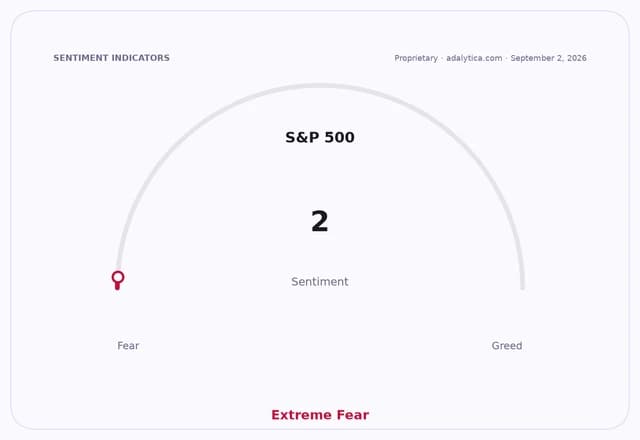
The bigger story for long-term investors is that the Bank of Canada is staying alert to upside inflation surprises rather than rushing to support growth. That usually means the economy may need to absorb a longer period of restraint before conditions improve enough for easier policy. If tariffs keep feeding costs higher and fuel prices stay elevated, the next move could be a hike rather than a cut.
For investors, that argues for patience and selectivity. Financials with strong funding bases, companies with pricing power, and diversified portfolios tend to handle this kind of environment better than highly leveraged borrowers or businesses dependent on cheap capital. The central bank is not signaling panic, but it is clearly telling the market not to get too comfortable.
| Entity | Gains | Losses |
|---|---|---|
| Canadian banks | ▲Wider-for-longer rate support | ▼Slower loan growth |
| Exporters | ▲None from this decision | ▼Tariff pressure and weaker demand |
| Borrowers | ▲None | ▼Higher-for-longer financing costs |
| Inflation hedgers | ▲Pricing power and cash flow | ▼Rate-sensitive sectors |