BASF weighs Argentina soybean seed investment
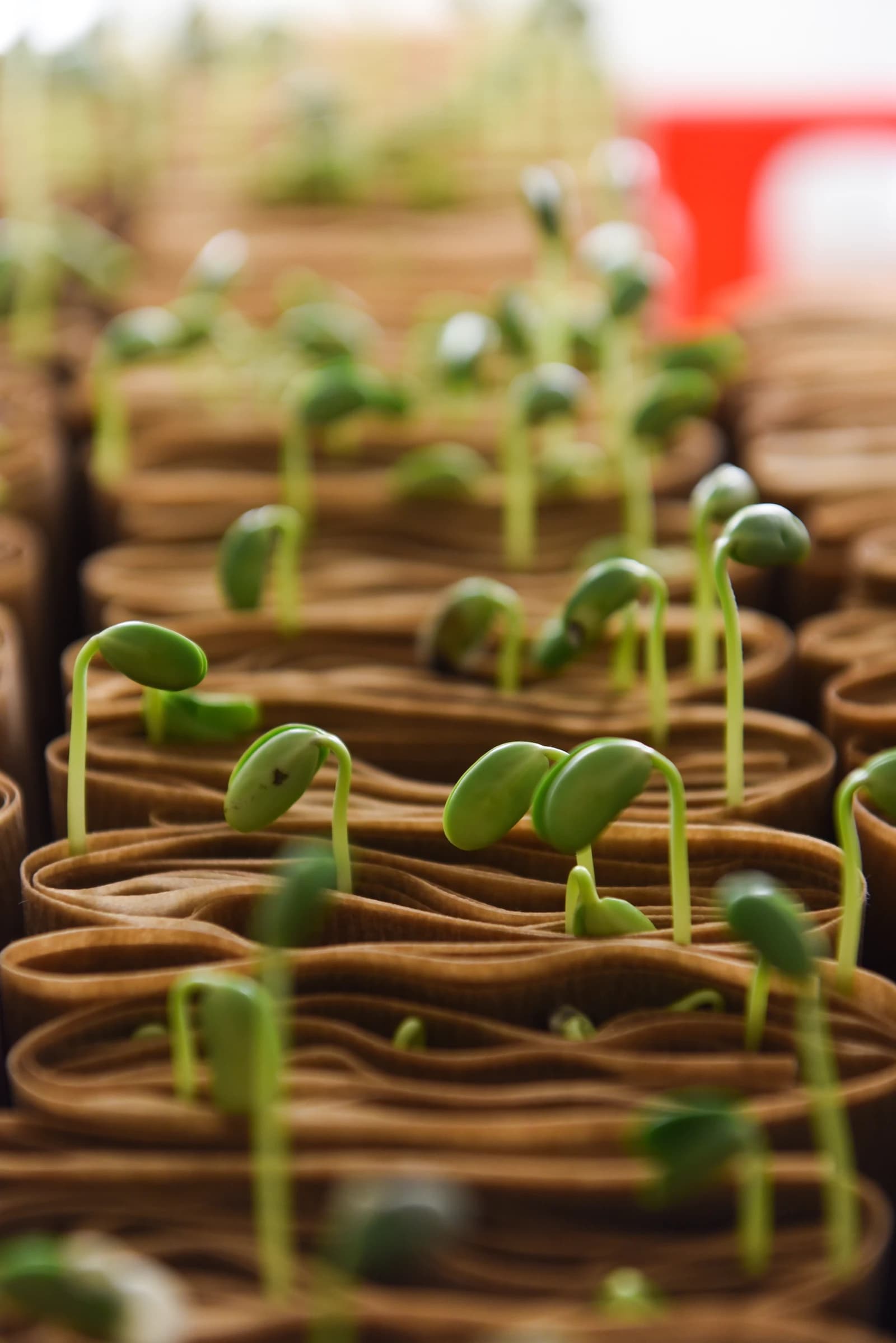
BASF is weighing fresh investment in its soybean seed and traits business in Argentina, but says the timing of any expansion will hinge on whether the country advances a modern seed regime that better protects intellectual property.
The German agrochemicals and seeds group’s comments put a corporate lens on one of Argentina’s most contested agricultural debates: how to update seed rules in a way that encourages biotech spending without alienating farmers who rely on saved seed. For BASF, the issue is not just legal housekeeping. It is a gatekeeper for bringing new products, traits and digital tools into a market that remains one of the world’s biggest soy exporters.
Aimar Pena, BASF’s marketing manager for seeds and traits, said the company is “evaluating new investment opportunities” to strengthen its soybean seed and traits business in Argentina. He added that a “modern, balanced” framework aligned with UPOV 91 would be “a key factor” to speed the arrival of new technologies.
That matters because seed companies invest heavily upfront and recover returns over years through sales of proprietary genetics and traits. If intellectual property rules are weak or enforcement is uncertain, multinational developers have less incentive to roll out their newest platforms, slowing productivity gains for farmers and limiting the local pipeline of biotech investment.
BASF said its agriculture unit has a global pipeline with more than 7.5 billion euros in potential incremental sales from products planned through 2035, and expects about 200 launches in Latin America over the same period. Those products span crop protection, seed treatment, biotechnology and digital tools, with Argentina already in the company’s soybean, corn, wheat and sunflower businesses.
The soy push is especially relevant because Argentina is already debating whether to tighten rules around “uso propio,” or farm-saved seed, and whether growers should pay for reuse under certain conditions. The government has also said it will send Congress the treaty to join UPOV 91, an international agreement that strengthens protections for seed developers.
For investors, the story is about optionality. Stronger local rules could unlock BASF spending, expand its addressable market in Latin America and improve the economics of its seed and traits portfolio. If the regulatory process stalls, the company may keep leaning on its existing business rather than committing more capital to Argentina.
BASF said it is confident its innovations — including Nemasphere, HT4 and HT5, aimed at weed and nematode control in soybeans — can eventually reach the market. The next catalyst is whether Buenos Aires delivers the legal clarity the company is waiting for.
| Entity | Gains | Losses |
|---|---|---|
| BASF | ▲Higher investment returns | ▼Regulatory uncertainty |
| Argentine soybean farmers | ▲New seed technology | ▼Possible higher seed costs |
| Local seed industry | ▲More innovation inflows | ▼Weak IP protections |
| Saved-seed users | ▲Current flexibility | ▼Tighter reuse rules |