Bayan Resources Rumored Stake Sale Attracts Market Focus
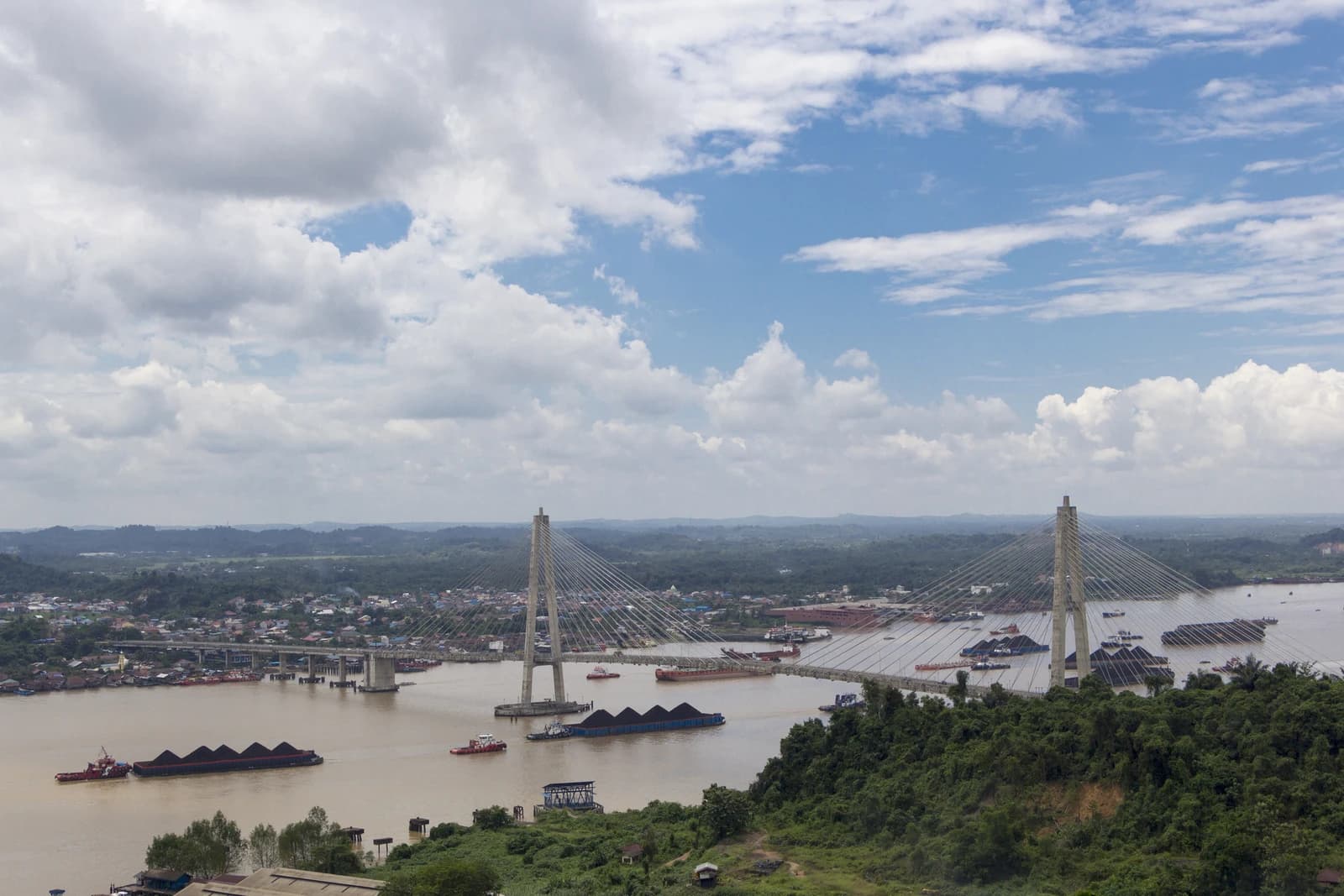
Bayan Resources’ stock has become a proxy for a bigger question in Indonesia’s coal market: whether a rumored change of control could eventually reshape production, RKAB quotas and the balance of power in one of the world’s top coal exporters.
The immediate issue is not supply disruption. Existing offtake agreements, mine licenses and operating plans remain in place, and Bayan has not confirmed any transaction. But if the reported deal around a controlling stake materializes, the identity of the new shareholder could matter for production discipline, sales allocation, logistics and the company’s role in Indonesia’s coal consolidation wave.

That is why the market is watching a story that goes well beyond a shareholder rumor. Bayan produced 68 million tonnes of coal in 2025, making it one of Indonesia’s largest miners and only slightly smaller than Bumi Resources’ 74.8 million tonnes of confirmed output. As one of the country’s clearer pure-play coal platforms, Bayan’s Tabang asset has become central to the sector’s supply outlook and to any reassessment of how much coal Indonesia can bring to market in the years ahead.
The reported transaction also matters because of who is involved. Market reports have linked Indonesian businessman Andi Syamsuddin Arsyad, or Haji Isam, to a possible acquisition of the Low family’s controlling block, which is about 62% of Bayan. Low Tuck Kwong holds 40.24%, while Elaine Low owns 22%, and media reports have put the possible cash offer at about $3 billion.
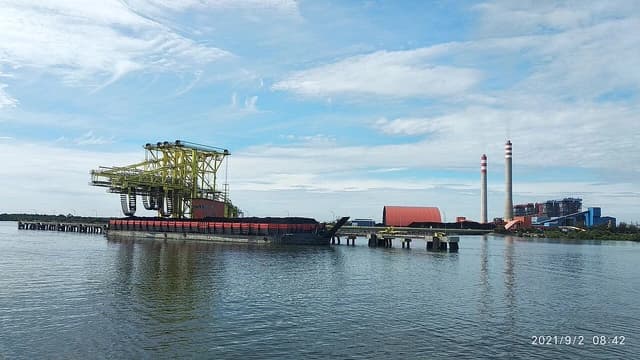
Neither Bayan nor Jhonlin-linked PT Jhonlin Agro Raya has confirmed a deal, and earlier clarifications said they were unaware of, or had no plan for, such a transaction. Still, the rumor has drawn attention because Haji Isam’s Jhonlin group is already active in coal through Jhonlin Baratama, which has been linked in market reports to a production quota request of around 60 million tonnes this year.
That is where investors see the strategic angle. Bayan’s 68 million tonnes is confirmed production, while Jhonlin’s 60 million tonnes is a quota request, not approved output. If a larger Jhonlin-linked platform eventually combined with Bayan, it could create one of Indonesia’s most influential coal groups by production base and bargaining power — though not necessarily one that immediately increases supply.
Indonesia’s coal market is governed by RKAB approvals, domestic supply obligations, export policy, mine sequencing and logistics, so ownership change alone does not equal more tonnes. In fact, a new controlling shareholder could just as easily push for production discipline, tighter capital allocation or a different split between domestic sales and exports.
For buyers, the near-term takeaway is continuity. There is no sign that shipments, contracts or mine operations are at risk from the rumor itself. The medium-term question is whether a confirmed transaction would lead to revisions in Bayan’s RKAB volume, Tabang expansion, marketing strategy or logistics coordination — the channels that would have the biggest effect on Indonesia’s physical coal balance.
The story also fits a broader sector shift as producers face tighter government scrutiny, weaker long-term coal financing and pressure to decide whether to diversify away from coal or consolidate while cash generation remains strong. For investors, that means the real catalyst is not the rumor headline but any formal filing, regulatory approval or update to Bayan’s production plans.
| Entity | Gains | Losses |
|---|---|---|
| Haji Isam/Jhonlin | ▲Potential coal scale-up | ▼Deal uncertainty |
| Bayan/Low family sellers | ▲Possible $3 billion exit | ▼Control premium risk |
| Coal buyers | ▲Supply continuity for now | ▼Future quota/strategy uncertainty |
| Short sellers / skeptics | ▲Confirmation delay | ▼Consolidation upside if deal closes |