British Columbia may have no choice but to spend more to settle with nurses, a shift that could raise hospital costs and test the province’s finances as health-care wage pressure collides with persistent staffing shortages.
B.C. Nurse Deal Could Lift Health Costs

The economic stakes are straightforward: nurses are one of the biggest operating expenses in any public health system, and failing to close the gap on pay and working conditions risks prolonging vacancy rates, overtime costs and the use of premium temporary staff. For the province, a tougher settlement would add to near-term spending at a time when governments are trying to contain deficits and stabilize essential services.
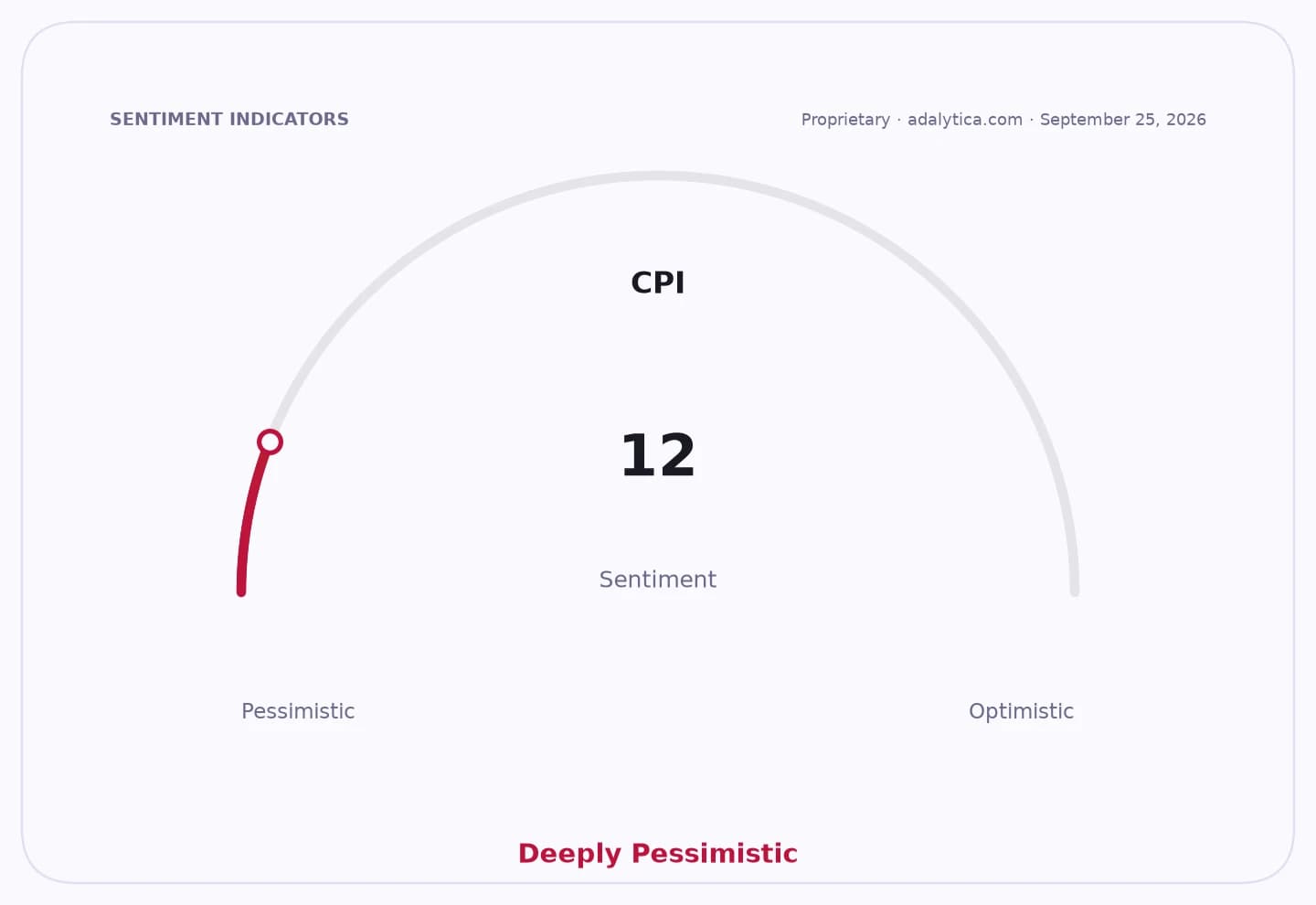
Sentiment IndicatorsⓘProprietary · adalytica.com · July 16, 2026
This is a snapshot — live sentiment, awareness and momentum for 130+ markets update continuously in the dashboard.Open AlphaPulse
The warning comes as labor tensions remain elevated across health care and other labor-intensive industries, where employers have been forced to lift wages and benefits to recruit and retain staff. In a parallel sign of how sensitive the issue has become, Adalytica’s Healthcare Spending Sentiment gauge sits at 41, with sentiment turning neutral after a steep 59-point drop over the past week, while its Wage Inflation Sentiment has jumped to 70, suggesting growing market awareness of higher labor costs.
That matters for investors because compensation pressure flows directly into margins for hospitals, care providers and health systems, including publicly traded names exposed to wage inflation and reimbursement lag. Universal Health Services and HCA Healthcare have both noted in filings that staffing shortages can force them to hire expensive temporary personnel or increase wages and benefits, underscoring how quickly labor disputes can hit earnings if costs outpace payer reimbursements.
The broader narrative is that governments and health employers are being pushed into a familiar trade-off: pay more now or risk more expensive disruption later. In British Columbia, experts’ view that the province may have little choice but to settle at a higher level suggests the bargaining outcome could become a template for other public-sector negotiations and a fresh reminder that labor scarcity keeps health-care spending sticky even when headline inflation cools.
For investors, the key catalyst is whether the province moves quickly to lock in a deal or lets the dispute drag, with implications for labor peace, hospital operating costs and future budget planning. Any settlement that sets a new wage floor could ripple through public payrolls and private health providers alike.
| Entity | Gains | Losses |
|---|---|---|
| Nurses | ▲Higher wages; better retention | ▼Less leverage if deal drags |
| B.C. government | ▲Labor peace if it settles | ▼Higher operating costs |
| Hospitals and care providers | ▲Staffing stability | ▼Margin pressure from wage inflation |
| Longs in healthcare labor names | ▲Supportive wage backdrop | ▼Reimbursement lag risk |