BCA Internship Listing Highlights Youth Hiring Strain
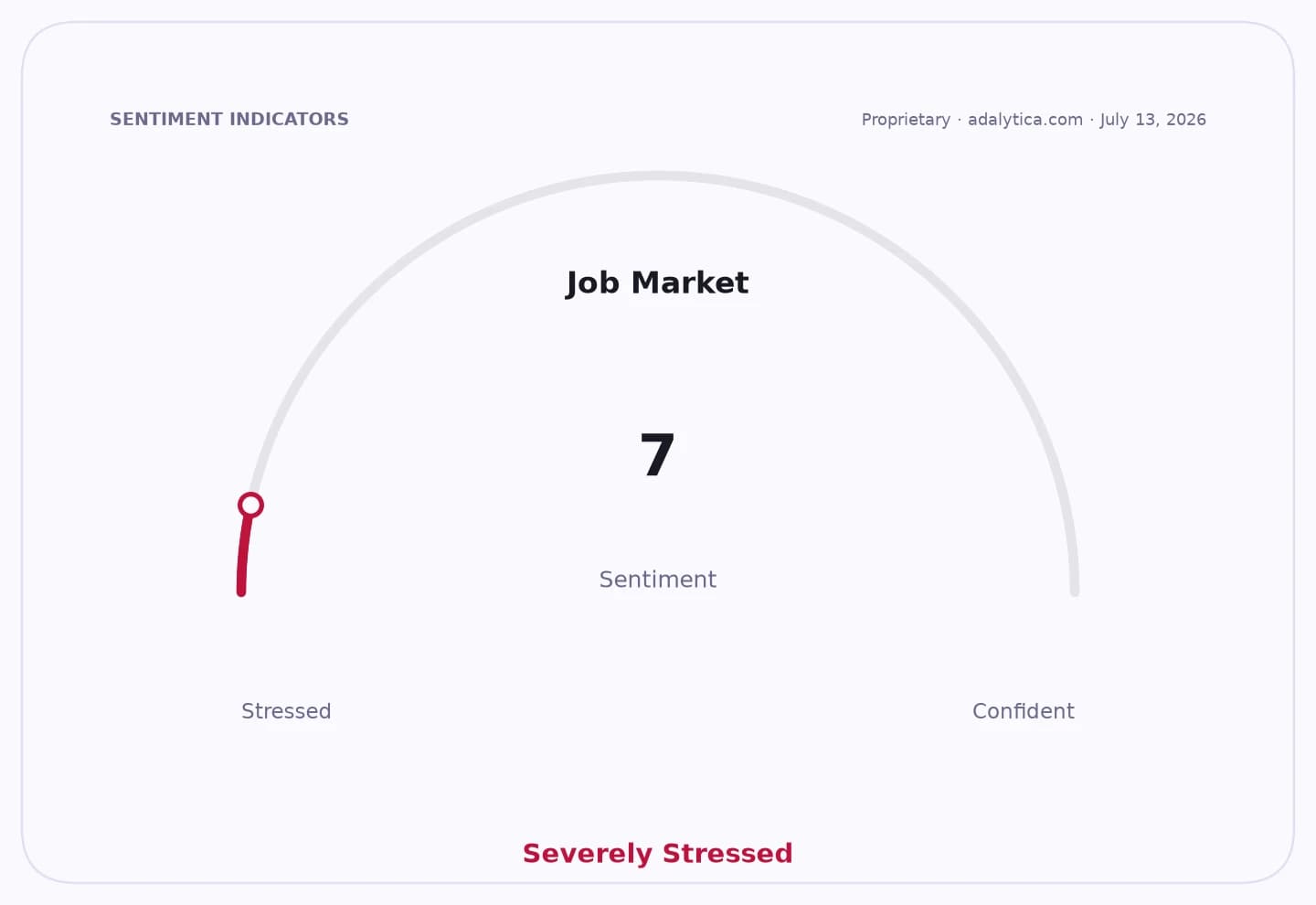
Job openings tied to Bakti BCA’s internship program in the Jabodetabek area are landing at a moment when Indonesia’s youth labor market remains under pressure, making even short-term paid placements more valuable for school leavers and fresh graduates.
That is what gives the listing news economic weight. With unemployment still projected around 4.18% in July 2026, near the lowest levels in the data provided, the labor market is improving but not evenly enough to absorb every new entrant. Youth and first-job seekers remain the most exposed to weak hiring pipelines, and internship schemes like Bakti BCA’s can function as a bridge into formal employment, especially in the dense Jakarta commuter belt where banks and consumer companies still dominate entry-level hiring.
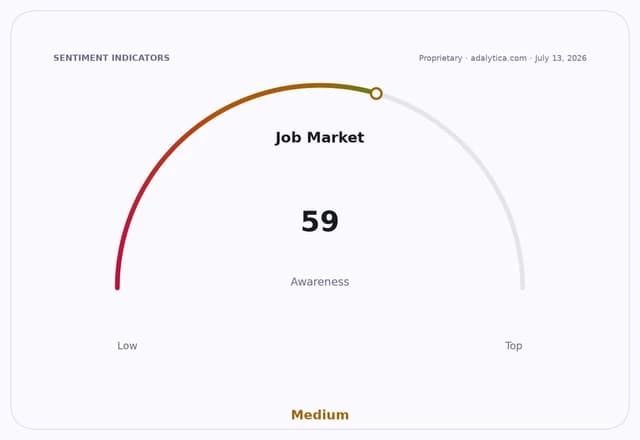
The appeal is not only experience. The program’s pocket money element matters in a market where many internships are unpaid or loosely structured. For graduates with limited bargaining power, a compensated internship effectively becomes a low-risk on-ramp into the banking sector, offering income, credentials and a possible pathway to full-time employment. That makes the opportunity more attractive than a typical ad hoc internship and helps explain why such listings can generate outsized interest among high school graduates through fresh graduates.
For BCA, the biggest lender by market value in Indonesia, internship recruitment is also strategic. It is a relatively low-cost way to widen the talent funnel, build brand loyalty among young workers and identify candidates before competitors do. That matters in a financial system where front-office service quality, digital adoption and customer acquisition increasingly depend on early-career staff who can be trained quickly and retained over time. The bank’s shares, however, remain sensitive to any sign of labor-market softness or investor anxiety: the stock was recently trading around 6,225 rupiah, well below its 200-day moving average near 6,968 rupiah, even as short-term momentum indicators have recovered from deeply oversold levels.
The broader backdrop is a labor market that is still healing rather than roaring. Total nonfarm payrolls are at roughly 158.984 million in the latest data and still edging up, but openings have cooled from the post-pandemic peak to around 7.594 million, suggesting employers are hiring more cautiously. That mix often favors applicants who can secure internships or structured trainee programs before they enter the full-time queue. It also helps explain why internship announcements in and around Jakarta attract attention well beyond a single bank’s hiring needs.
Another reason the story resonates is the rise of fraud around job access. A separate government warning about fake internship forms and illegal fees underscores a second-order cost of tight labor markets: applicants are more vulnerable to scams when legitimate opportunities are scarce and information is fragmented. Any promise of paid placement becomes more valuable, and therefore easier for fraudsters to exploit. For investors and employers alike, that raises reputational and compliance risks across the hiring ecosystem, especially in programs aimed at young and inexperienced candidates.
The near-term test is whether Bakti BCA’s internship intake translates into real conversion into permanent roles and whether other large employers expand similar programs. If youth hiring remains constrained, paid internships will stay in high demand and could become an increasingly important signal of corporate strength and talent investment. If growth slows or hiring broadens, the competitive edge of such programs may fade, but for now the market is still rewarding any route that gives first-time job seekers a paid entry point into formal work.
| Entity | Gains | Losses |
|---|---|---|
| Bakti BCA | ▲Wider talent pipeline | ▼Higher applicant scrutiny |
| Young job seekers | ▲Paid entry-level experience | ▼Limited spots |
| Competitors | ▲Benchmark pressure | ▼Talent attraction gap |
| Fake recruiters/scammers | ▲— | ▼Exposure as enforcement rises |