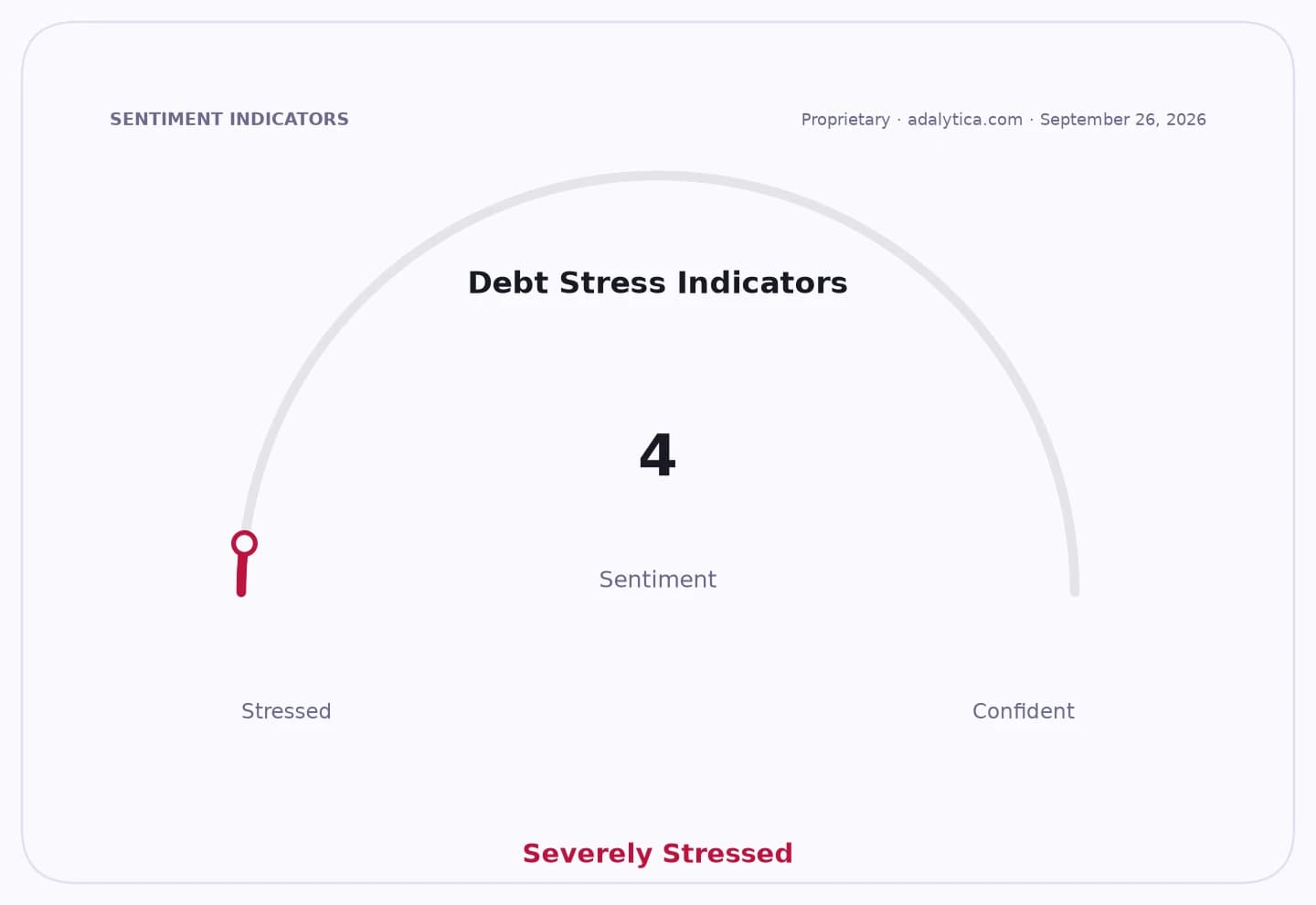
Beneficient shares surged after the company said it plans to erase most of its debt and unwind arrangements tied to former chief executive Brad Heppner, a move that could materially simplify the balance sheet and remove a major overhang on a stock that has been crushed over the past year.
Beneficient plans debt wipeout after Heppner fraud case

The penny stock’s jump — 377% in premarket trading — reflects how much of the market value has been tied to litigation risk, disputed liabilities and fears of dilution rather than core operating performance. For investors in deeply distressed microcaps, the biggest upside often comes not from growth but from a credible path to clean up the capital structure, and that is what Beneficient is trying to present.
The company said it wants to eliminate about $130 million of HCLP debt it says was built on fraud, end Heppner’s stake in the business, void related transactions and cancel roughly $88 million in claimed sums without paying cash. If completed, the plan would also remove Heppner’s Class B stock, board nomination rights and veto powers — governance features that have weighed on the market’s view of the company’s control structure and future financing flexibility.
That matters because the market had effectively priced Beneficient as a litigation claim wrapped around a business, not a conventional fintech. Heppner was convicted in May on fraud charges tied to a scheme to enrich himself, and Beneficient says that verdict supports its argument that the debt is invalid and unenforceable. If the company can translate that court outcome into a settlement or a favorable ruling, it could sharply reduce leverage and cut the risk of further share dilution.
The scale of the reaction suggests traders are also positioning for a potential restructuring event, not just a one-off legal headline. Volume of about 156 million shares dwarfed the three-month average of 8.26 million, while the stock remains down 92.34% year to date and 80.91% over 12 months, underscoring how much speculative money can move in names with tiny floats and fragile fundamentals.
There is still substantial execution risk. No final deal has been signed, Beneficient said there is no certainty it can reach an agreement or prevail in court, and it is still preparing to pursue action against Heppner, HCLP and others if talks fail. That leaves a familiar split for investors: bulls can argue that a debt wipeout and governance reset could create real equity value from a heavily discounted base, while bears will note that the company is still operating under legal uncertainty and that any improvement in the share price may simply reflect short-covering and momentum.
For now, the market is treating the announcement as a possible turning point. Whether the rally lasts will depend on whether Beneficient can turn a fraud-related confrontation into a binding balance-sheet repair, and whether the company can do so without trading one set of risks — debt and dilution — for another tied to litigation and enforcement.
| Entity | Gains | Losses |
|---|---|---|
| Beneficient shareholders | ▲Debt reduction upside | ▼Ongoing legal uncertainty |
| Brad Heppner and related firms | ▲Possible negotiated release | ▼Debt claims, equity rights |
| Short sellers | ▲Volatility to trade | ▼Sharp mark-to-market losses |
| Creditors tied to disputed claims | ▲Potential settlement clarity | ▼Recovery on claimed debt |