Benin Cotton-to-Textiles Plan Aims to Keep More Value

Benin’s bid to turn more of its cotton crop into clothing and fabric at home matters because it is an attempt to keep more of the value chain — and more jobs — inside one of West Africa’s most cotton-dependent economies.
The strategy is economically significant even before the first garment rolls off a larger local production line. Benin is already a major cotton grower, but exporting raw fibre leaves most of the profit in spinning, weaving, finishing and retail to overseas mills and brands. Moving into textiles and apparel would deepen industrial output, broaden the tax base and reduce exposure to commodity-price swings that can leave farm income vulnerable. It would also fit a wider African policy push to build manufacturing capacity around agricultural output rather than remain a supplier of unprocessed goods.
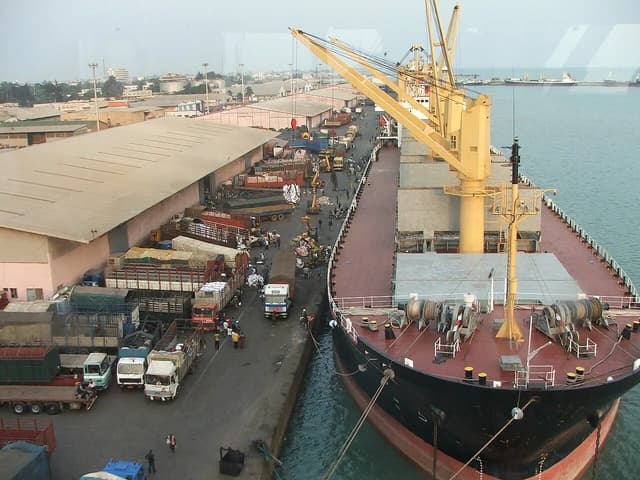
For investors, the immediate market implication is that Benin is trying to create a more integrated supply chain, which could eventually attract capital into ginning, yarn, fabric, logistics and industrial power. That matters in a region where manufacturing often loses out to cheaper Asian imports and where any local textile cluster still depends on reliable power, transport links and working capital. If the plan succeeds, the winners would be domestic processors, export-oriented garment makers and workers; the losers would be traders who benefit from selling raw cotton abroad and foreign mills that currently capture the downstream margin.
The move comes against a difficult global backdrop for apparel manufacturing. In the US, industrial output has been broadly steady in recent months and unemployment remains low at 4.1%, suggesting demand is not collapsing, but consumers are still selective. For apparel brands and retailers, that means lower-cost sourcing remains a priority, while tariff pressure and margin management remain live issues. Public filings from major US apparel groups have already pointed to tariff-related costs, promotional pressure and supply-chain adjustments — all reminders that brands are still looking for alternative sourcing hubs and cost relief.
That gives Benin an opening, but not a guarantee. The bullish case is that the country can use its cotton advantage, along with cheaper labour, to build a foothold in a fragmented industry that rewards scale, reliability and speed. The bearish case is that without investment in power, water, transport and skills, Benin could remain stuck exporting fibre while only a few low-margin assembly jobs are created locally.
The next test is whether policy support can turn ambition into factory orders. If Benin can attract buyers, finance and industrial partners, the country could start shifting from a farm-export model to a more resilient manufacturing base. If not, the cotton crop will keep doing most of its economic work before it leaves the country.
| Entity | Gains | Losses |
|---|---|---|
| Benin government | ▲More jobs and taxes | ▼Raw-export dependence |
| Local textile mills | ▲Higher fibre supply | ▼Infrastructure constraints |
| Cotton farmers | ▲Stronger domestic demand | ▼Export price volatility |
| Foreign mills/importers | ▲ | ▼Lost downstream margin |