Berkshire adds Alphabet in bigger AI bet
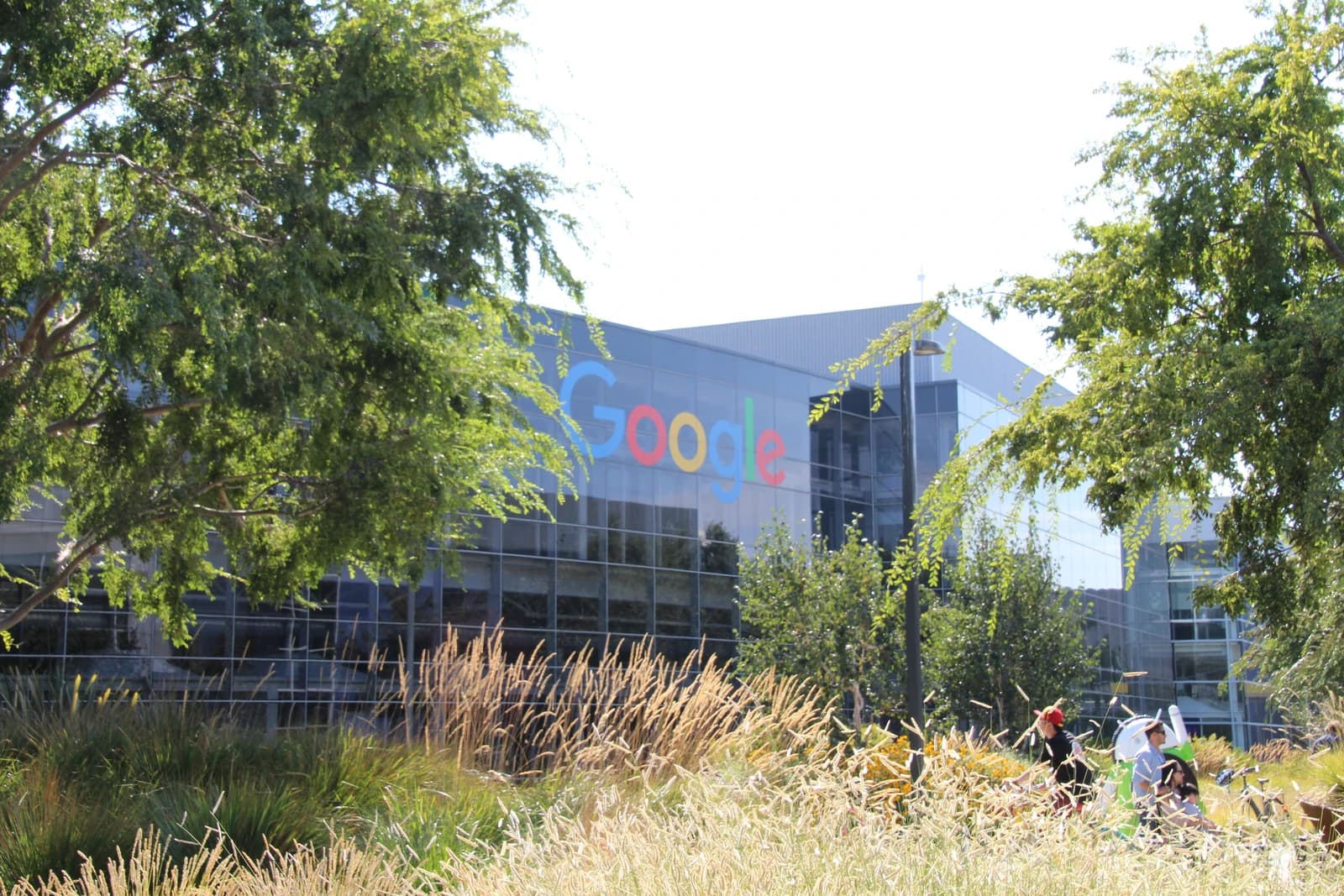
Berkshire Hathaway’s bigger Alphabet bet matters because it shows one of the market’s most conservative capital allocators is still willing to pay up for AI-era cash generation, even as rates stay elevated and the cost of capital remains far above the zero-rate years that once powered growth stocks.
Alphabet is now Berkshire’s third-largest equity holding, a rare endorsement for a company that has spent years balancing search dominance, cloud expansion and rising AI spending. The move underscores a simple but powerful shift: the market is no longer treating Big Tech as a distant optionality trade, but as a core source of durable free cash flow and strategic infrastructure.
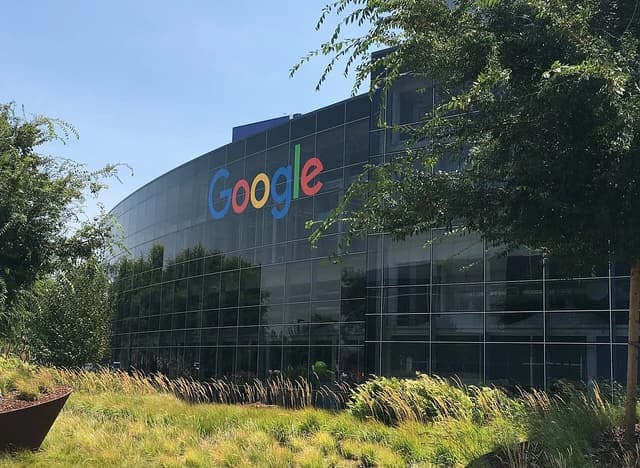
That is exactly why this purchase deserves attention from investors. Berkshire added to Alphabet during a quarter in which it also bought more Delta Air Lines and housing-related stocks, while repurchasing $4.5 billion of its own shares and deploying nearly $20 billion into new equity positions. In other words, Berkshire is not just sitting on its cash pile waiting for a correction. It is rotating into businesses with pricing power, scale and long runways for earnings growth.
Alphabet fits that template. The company still threw off enormous liquidity in the latest filing, with $242.5 billion in cash, cash equivalents and short-term marketable securities as of June 30. It also raised $20.5 billion in a June share offering, giving it even more firepower to fund AI infrastructure, cloud capacity and product development. For Berkshire, that mix of fortress balance sheet and growth-capex optionality is the kind of asymmetric setup Buffett has historically liked, even if he has been publicly wary of the technology sector’s hype cycle.

The market should also read this as a vote of confidence in the AI capex cycle itself. Big Tech firms are still spending heavily on data centers, chips and software to keep up with demand, and that spending is creating a widening moat for the largest platforms. Alphabet, Microsoft, Amazon and NVIDIA continue to be the clearest beneficiaries of that investment wave, while suppliers of power, networking, semiconductors and data-center equipment remain the cleaner second-order plays.
Alphabet’s shares have already rallied hard, and Berkshire’s buy does not come from a cheap starting point. But valuation alone rarely tells the full story when a company combines scale, cash flow and strategic control over one of the most important distribution channels in the digital economy. With Treasury yields still near 4.65% on the 10-year and the Fed funds rate around 3.63%, investors are still being paid to demand earnings quality. Alphabet is one of the few large-cap names that can offer growth without sacrificing balance-sheet resilience.
For investors, the message is not simply that Berkshire likes Alphabet. It is that the capital markets are increasingly rewarding companies that can turn AI spending into compounding free cash flow, and Berkshire is positioning accordingly. The opportunity now is to follow the money into the picks-and-shovels layer around AI infrastructure, while staying invested in the platform leaders that can monetize the buildout for years.
| Entity | Gains | Losses |
|---|---|---|
| Alphabet | ▲Berkshire validation; larger ownership base | ▼Bears betting AI spend won't pay off |
| Berkshire Hathaway | ▲Higher exposure to AI cash flow | ▼Cash-heavy bulls waiting for more defensiveness |
| AI infrastructure suppliers | ▲More capex demand | ▼Legacy slower-growth tech |
| Short-duration value trades | ▲Less relative appeal | ▼Long-only skeptics of big-cap tech |