Warren Buffett is no longer running Berkshire Hathaway, and the biggest market takeaway is how little has changed: the conglomerate is still behaving like a cautious capital allocator in an expensive market.
Berkshire Hathaway Buybacks Rise Under Greg Abel
Berkshire’s latest quarterly filing showed only modest net stock sales of $400 million, a sharp reversal from the $20 billion of net buying in the prior quarter, while the company’s cash pile slipped to about $357 billion after accounting for Treasury-related liabilities. Under chief executive Greg Abel, Berkshire also stepped up share repurchases to $9.6 billion, the most aggressive pace in years, suggesting the new regime is using the company’s own stock as one of the few attractive places to deploy capital.
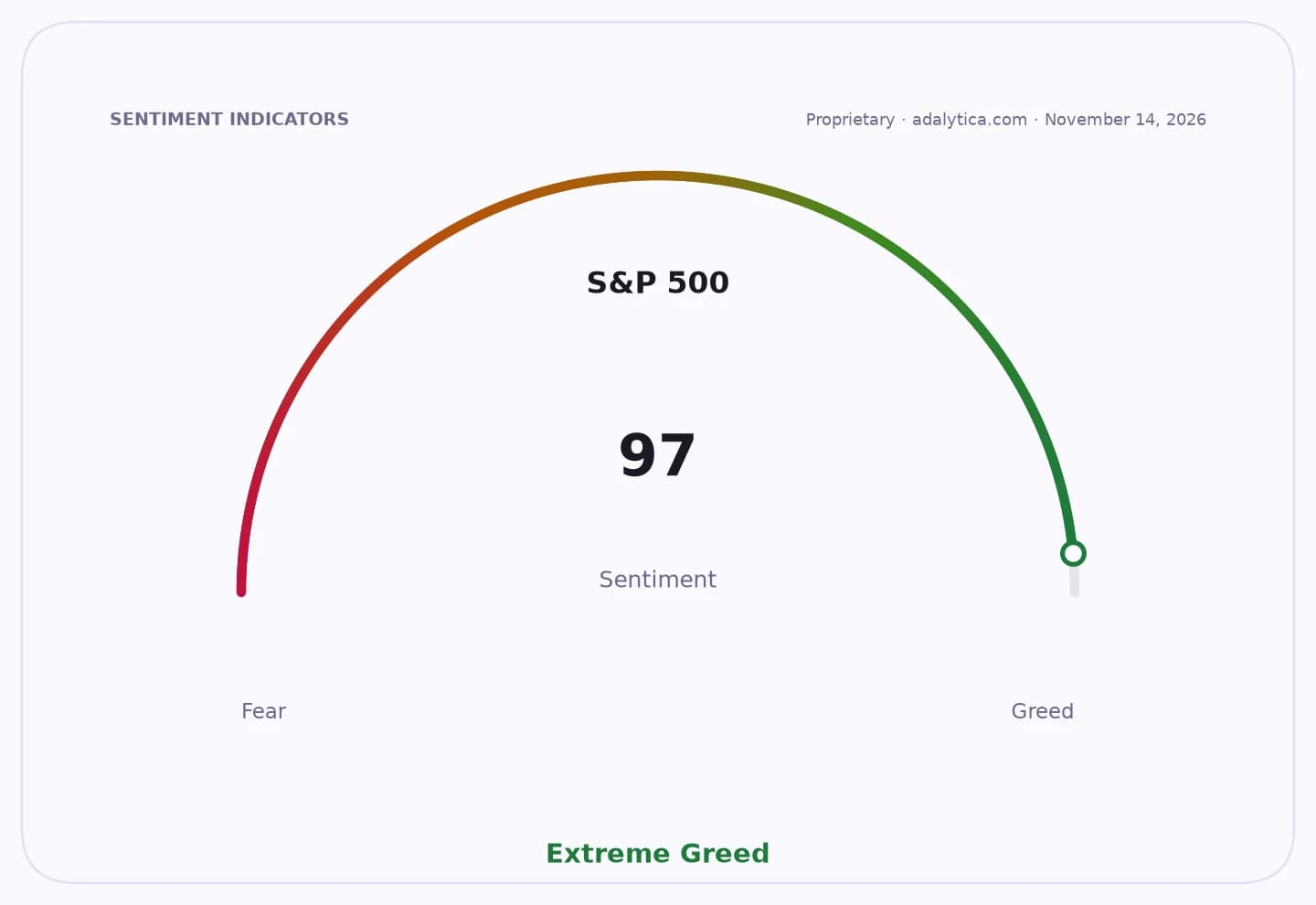
That is economically significant because Berkshire remains one of the market’s most closely watched barometers of valuation discipline. When it is buying few external assets and leaning instead on buybacks, it usually means management sees limited value in public markets at current prices. That message matters in an environment where major indices have pushed to record highs and many large-cap stocks, including Berkshire itself, have become less obviously cheap.
The operating numbers reinforced that caution. Berkshire’s operating profit fell 6% to $12.7 billion as insurance underwriting and insurance investment income weakened, partly offsetting gains at BNSF, Berkshire Hathaway Energy and the manufacturing, services and retail businesses. The mix shows a conglomerate still supported by diversification, but one where the insurance engine — historically central to Buffett’s cash-generating model — is not firing as strongly.
For investors, the more important story is succession without disruption. Abel’s early decisions look broadly consistent with Buffett’s playbook: buy back shares when the stock is attractive, hold a large cash cushion, and avoid forcing capital into overheated markets. The company’s stock has risen from below $500 at the end of September to above $570 this week, implying the market has largely accepted that continuity.
The bull case is that Berkshire’s discipline remains intact and Abel is proving to be a low-drama steward of the franchise. The bear case is that continued caution may reflect a persistent shortage of compelling opportunities, leaving Berkshire to compound more slowly if insurance profits stay soft and cash remains idle.
For now, Buffett’s absence is notable mainly for its absence of impact. The real test for Abel will be whether he can keep Berkshire’s balance-sheet strength working in a market that still looks expensive by the standards Buffett built his reputation on.
| Entity | Gains | Losses |
|---|---|---|
| Greg Abel | ▲Succession credibility | ▼Pressure to deploy capital well |
| Berkshire Hathaway shareholders | ▲Buybacks and continuity | ▼Lower operating profit |
| Buffett-style value investors | ▲Conservative capital discipline | ▼Fewer external bargains |
| Public equity sellers | ▲Strong buyer in Berkshire buybacks | ▼Less net demand from Berkshire |