Berkshire Hathaway Energy and AI Data Center Demand
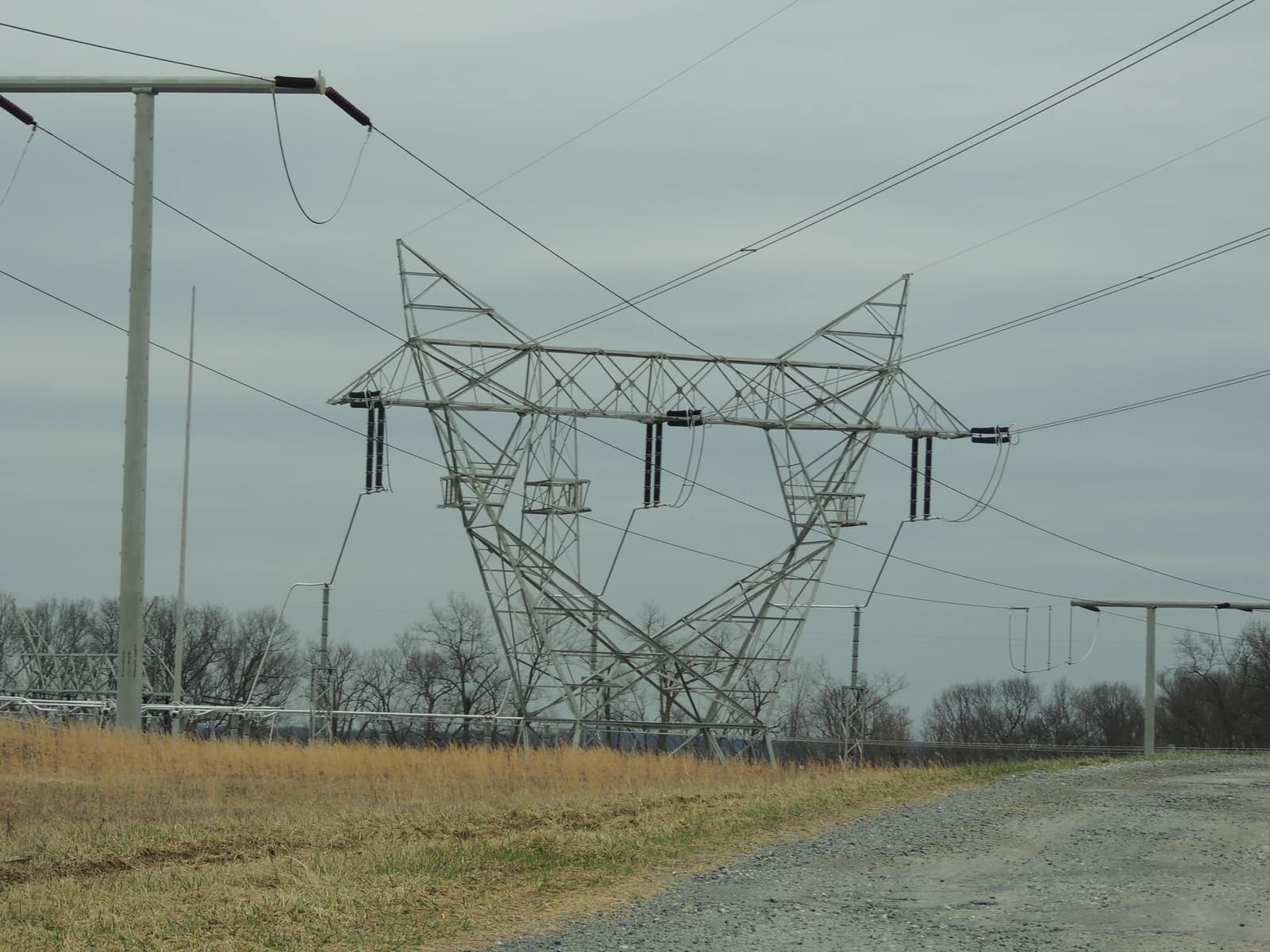
Berkshire Hathaway’s energy arm may be one of the market’s quietest winners in the AI buildout, and the math suggests investors are still undervaluing it.
That is the central takeaway from Berkshire’s latest operating results and Greg Abel’s increasingly explicit pitch: Berkshire Hathaway Energy is no longer just a steady utility-style earnings engine, but a direct beneficiary of the power crunch created by data centers, grid upgrades and permitting bottlenecks. In a market obsessed with chips, cloud software and electricity-hungry AI models, the company that owns the wires, pipelines and regulated franchises may be sitting on the most underappreciated toll road.
Berkshire Hathaway Energy serves 13 million customers and owns stakes in natural gas pipelines, but its scale already looks comparable to some of the largest public utilities. It produced $11.2 billion in revenue in the first half of 2026 and about $2.7 billion in pretax earnings, translating to a little more than $2 billion in after-tax profit. On pace for roughly $4 billion in annual earnings, the division is still smaller than Berkshire’s insurance operations, but it is large enough to matter — and large enough to be valued like a serious standalone utility.
That is where the market may be missing the story. Duke Energy generated $4.9 billion in net income in 2025 on $32.2 billion in sales, Southern Company earned $4.3 billion, NextEra delivered $7.7 billion in adjusted earnings and Constellation collected $25.5 billion in revenue. Berkshire Energy’s earnings sit in that same neighborhood, despite being buried inside a conglomerate that still holds about $360 billion of stocks and several dozen operating businesses. If investors assign a utility-type multiple to Berkshire Energy’s earnings stream, the hidden value quickly climbs into the tens of billions — and that is before any acceleration from AI-related demand.
Abel has now said twice in public that powering AI data centers is a “significant opportunity” for Berkshire and Berkshire Hathaway Energy, with the key bottleneck being permitting and site preparation rather than demand. That matters because it shifts the conversation from generic regulated utility growth to a structural capacity shortage. The companies that can connect new load fastest, navigate approvals and finance transmission, generation and pipeline assets are the ones likely to capture the most value.
This is exactly why utilities are back in focus across the market. Demand growth is no longer coming from population growth alone; it is being driven by hyperscale computing, electrification and the need for grid reliability at a time when investors are again paying up for infrastructure with visible cash flows. Berkshire’s energy arm combines the defensive characteristics income investors like with a growth vector the market usually reserves for semiconductors and cloud names.
The stock market is already acknowledging the broader Berkshire thesis. BRK-B recently traded around $504.69, above its 50-day moving average, with the 200-day average near $492.59, a sign the shares have stabilized after earlier volatility. But the bigger opportunity is not a short-term chart setup. It is the possibility that Berkshire Energy becomes a much larger contributor to conglomerate earnings over the next several years as AI load growth, grid investment and regulated returns compound together.
For investors, the implication is straightforward: the market is still valuing Berkshire primarily as an insurance-and-holdings conglomerate, while underpricing the embedded utility platform that could become one of its most important profit centers. If Abel keeps directing capital toward energy infrastructure, Berkshire’s hidden utility franchise may deserve a re-rating closer to the public utilities it competes with — or better yet, a premium for its balance sheet strength, scale and ability to fund long-cycle projects.
The next catalyst will come from quarterly results and capital allocation updates, where investors should watch for any evidence that Berkshire Energy’s earnings trajectory is accelerating beyond a “steady” utility model. If that happens, the market may have to reprice a business long treated as a side note into a core driver of Berkshire’s future cash flow.
| Entity | Gains | Losses |
|---|---|---|
| Berkshire Hathaway Energy | ▲Higher valuation | ▼“Hidden asset” discount |
| Berkshire Hathaway | ▲Bigger earnings mix | ▼Reliance on insurance-only narrative |
| Public utilities like Duke, Southern, NextEra | ▲Sector rerating from AI demand | ▼Scarcity of new load-serving assets |
| AI data center builders | ▲More grid investment | ▼Higher power and permitting costs |