Bessent Pressures BOJ on Yen, Rate Hike Expectations

U.S. Treasury Secretary Scott Bessent has added fresh pressure on Japan’s central bank to tighten policy, saying the Bank of Japan and government will likely take steps that lead to a stronger yen as the currency tests levels that have already triggered record intervention.
That matters because a weaker yen is feeding import costs in the world’s fourth-largest economy, while forcing Japanese officials to choose between defending the currency with market intervention or using interest rates to slow the decline. For investors, the message is that the BOJ’s next move could shape everything from yen hedging costs to Japanese government bond yields and global carry trades.
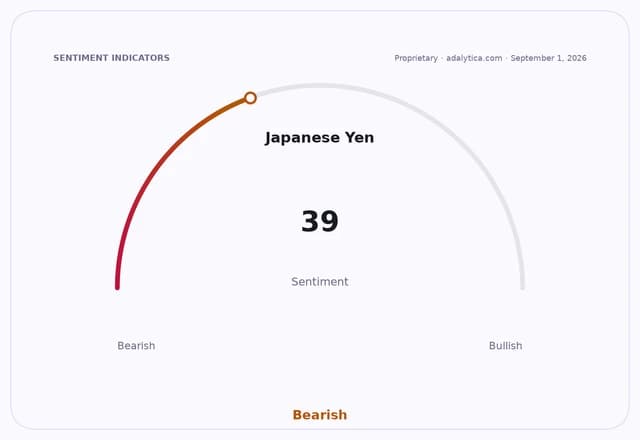
Bessent told CNBC the market had already priced in the possibility of a BOJ rate hike, echoing a view that has hardened as the yen fell back through 160 per dollar and briefly touched 160.20 in New York trading last week. The dollar later eased to around 159.69 yen on Monday, but the currency remains close to levels that traders see as a potential trigger for another round of official action.
The timing raises the stakes for Japan’s Sept. 17-18 policy meeting, where markets are pricing roughly a 70% chance of a rate increase, according to Reuters. Sources cited by Reuters said officials are also considering a faster pace of tightening after September, a notable shift from the BOJ’s long-running ultra-loose stance.
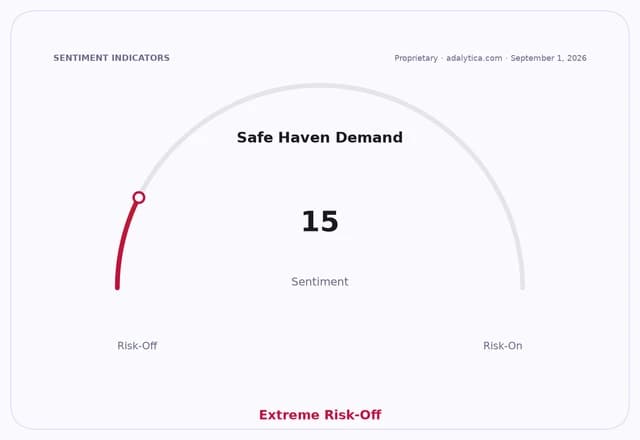
Bessent’s comments come after the United States and Japan jointly bought yen late last month when the currency was near 164 per dollar, its weakest level in 40 years. Japan has already spent a record $96.4 billion on intervention over the past month, but the yen has since given back more than half those gains, underscoring how difficult it is to stabilize the currency while U.S. rates and the dollar stay elevated.
The market reaction has been cautious rather than euphoric. Options pricing suggests traders are not yet bracing for imminent intervention, even as hedge funds rebuild short yen positions. Technical indicators on yen-tracking funds also point to a fragile backdrop, with the iShares MSCI Japan currency-hedged and unhedged proxies still below recent peaks and momentum easing after a sharp summer swing.
The broader narrative is straightforward: Washington is signaling that Tokyo should do more, Tokyo is under pressure to defend the currency without exhausting reserves, and investors are watching whether the BOJ finally uses rates — not just intervention — to arrest yen weakness. The next catalyst is the BOJ decision later this month, followed by any fresh guidance from Japanese and U.S. officials at the G20.
| Entity | Gains | Losses |
|---|---|---|
| BOJ hawks | ▲Stronger yen, tighter policy credibility | ▼Slower growth, higher borrowing costs |
| Yen bulls | ▲Support from rate-hike expectations | ▼Ongoing pressure from dollar strength |
| Japanese importers | ▲Less currency damage if yen stabilizes | ▼Still exposed to weak yen inflation |
| Short yen traders | ▲Volatility and intervention risk | ▼Position losses if BOJ tightens |