BHP Group says its Western Australia Iron Ore business remains central to the miner’s portfolio as it declined to confirm or deny media reports of a possible partnership involving part of the asset.
BHP WAIO partnership reports and stock reaction

The response matters because Western Australia Iron Ore is BHP’s biggest cash engine and a key driver of earnings tied to global steel demand. Any move to bring in a partner, even without changing control, could reshape how the company funds future growth, shares risk and manages returns as the iron ore cycle remains under scrutiny.
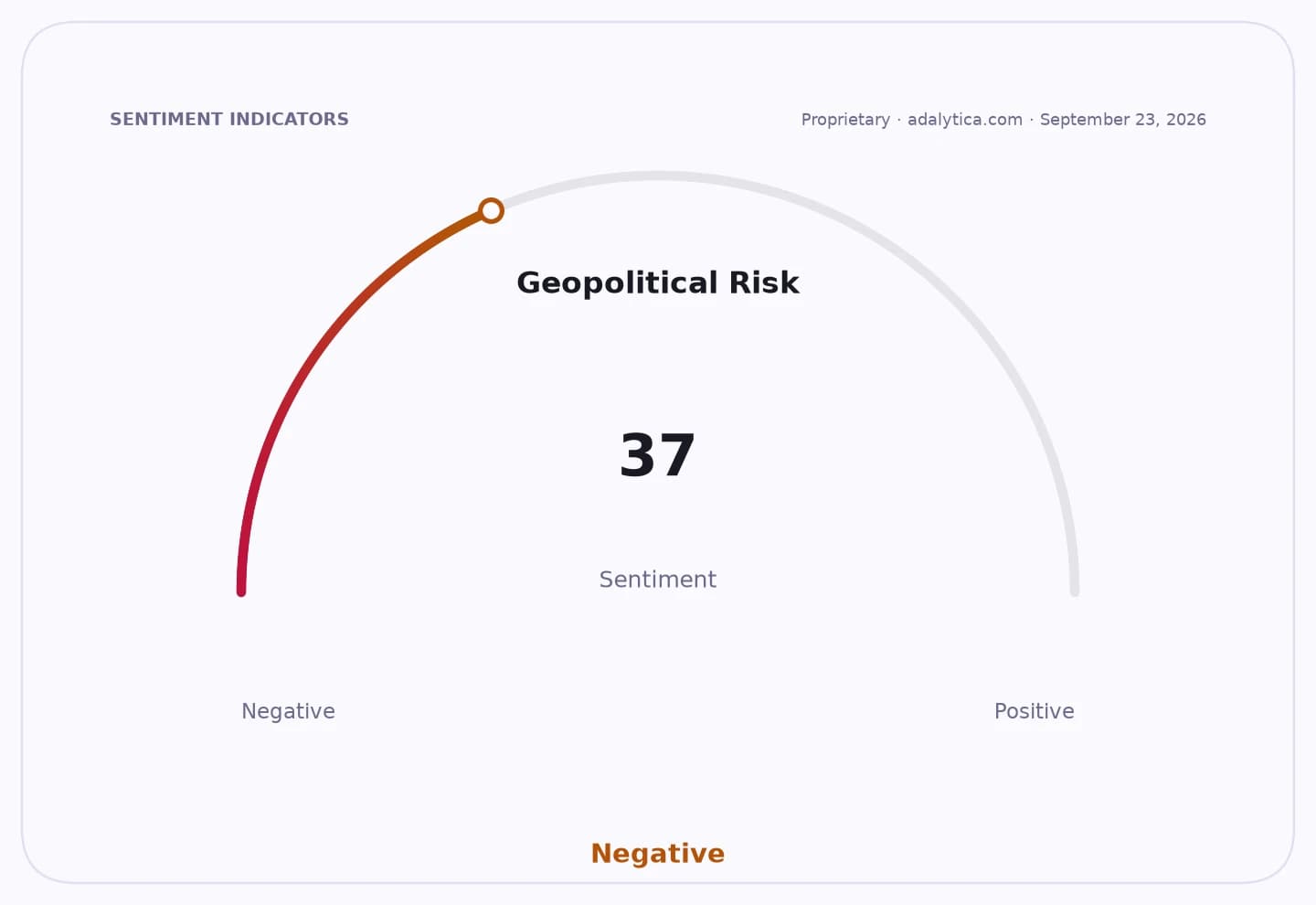
Sentiment IndicatorsⓘProprietary · adalytica.com · September 5, 2026
This is a snapshot — live sentiment, awareness and momentum for 130+ markets update continuously in the dashboard.Open AlphaPulse
BHP said it has a long history of partnerships across its assets and regularly explores options that may create long-term value for shareholders, but stressed it remains fully committed to WAIO. The business produced 257 million tonnes of iron ore in the year to June 30, flat from a year earlier, underlining the scale and stability of the operation.
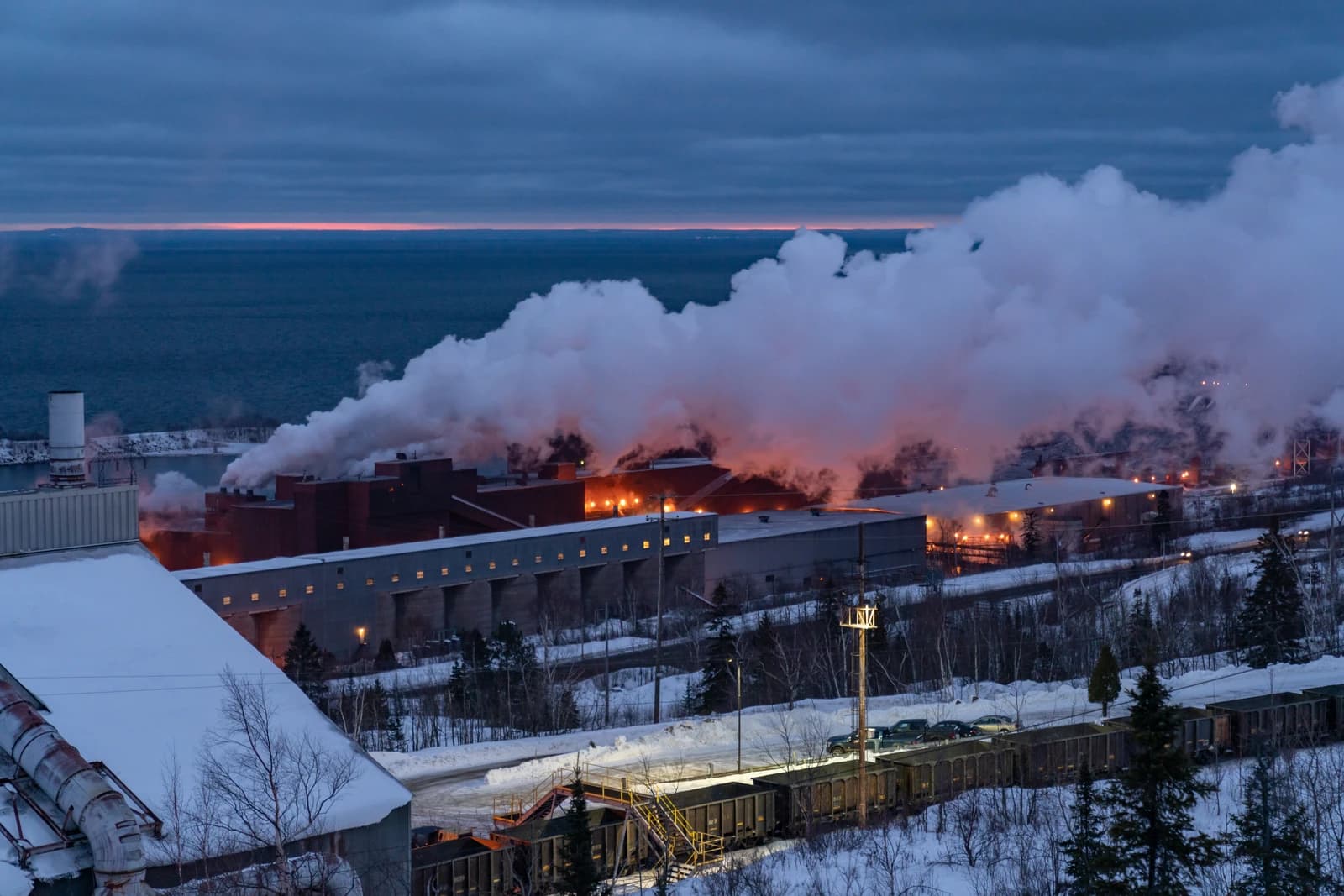
WAIO spans four processing hubs, five open-cut mines in the Pilbara, more than 1,000 kilometres of rail and two port facilities. That infrastructure footprint makes it one of the most strategically important iron ore systems in the world and leaves BHP with both a defensive moat and a large capital base to protect.
The stock reaction was muted but negative, with BHP shares down 1.0% in London, 2.6% in Johannesburg and 2.4% in Sydney on Friday. The shares are still up 66% over 12 months in London, 49% in Johannesburg and 48% in Sydney, reflecting investor confidence in the miner’s scale, margins and exposure to iron ore.
Technically, BHP’s Sydney-listed shares remain well above the 50-day and 200-day moving averages, while recent RSI readings suggest momentum has cooled from overbought levels after a strong run. That leaves the market sensitive to any sign that BHP may be willing to alter the structure of a core asset.
The bigger question for investors is whether a partnership would be a capital-light way to extend WAIO’s runway or a sign that BHP wants to share the burden of sustaining a giant legacy asset in a market where Chinese demand remains a critical variable. Near term, attention will stay on whether BHP gives any further detail in coming updates on capital allocation, iron ore strategy or asset-level joint venture options.
| Entity | Gains | Losses |
|---|---|---|
| BHP shareholders | ▲capital flexibility | ▼direct control concerns |
| Potential partner | ▲access to WAIO scale | ▼upfront capital burden |
| Rival miners | ▲less acquisition pressure | ▼share of iron ore value chain |
| Iron ore market bulls | ▲partnership confidence | ▼if asset signals slower growth |