Bitcoin Eyes $100,000 on Fiscal Hedge Thesis
Bitcoin is drawing support from something bigger than a trading bounce: investors are increasingly treating it as a hedge against government debt and policy drift, and VanEck says that backdrop could carry the cryptocurrency to $100,000 by next year.
That is the real market story behind Matthew Sigel’s forecast. The head of digital assets research at the investment manager told CNBC that governments are “over indebted,” policymakers are unlikely to fix the fiscal imbalance quickly and any easing in liquidity could act as a “turbocharge” for bitcoin. For long-term investors, that matters because it shifts bitcoin’s narrative from a speculative risk asset to a macro asset tied to deficits, money supply and the credibility of fiat currencies.
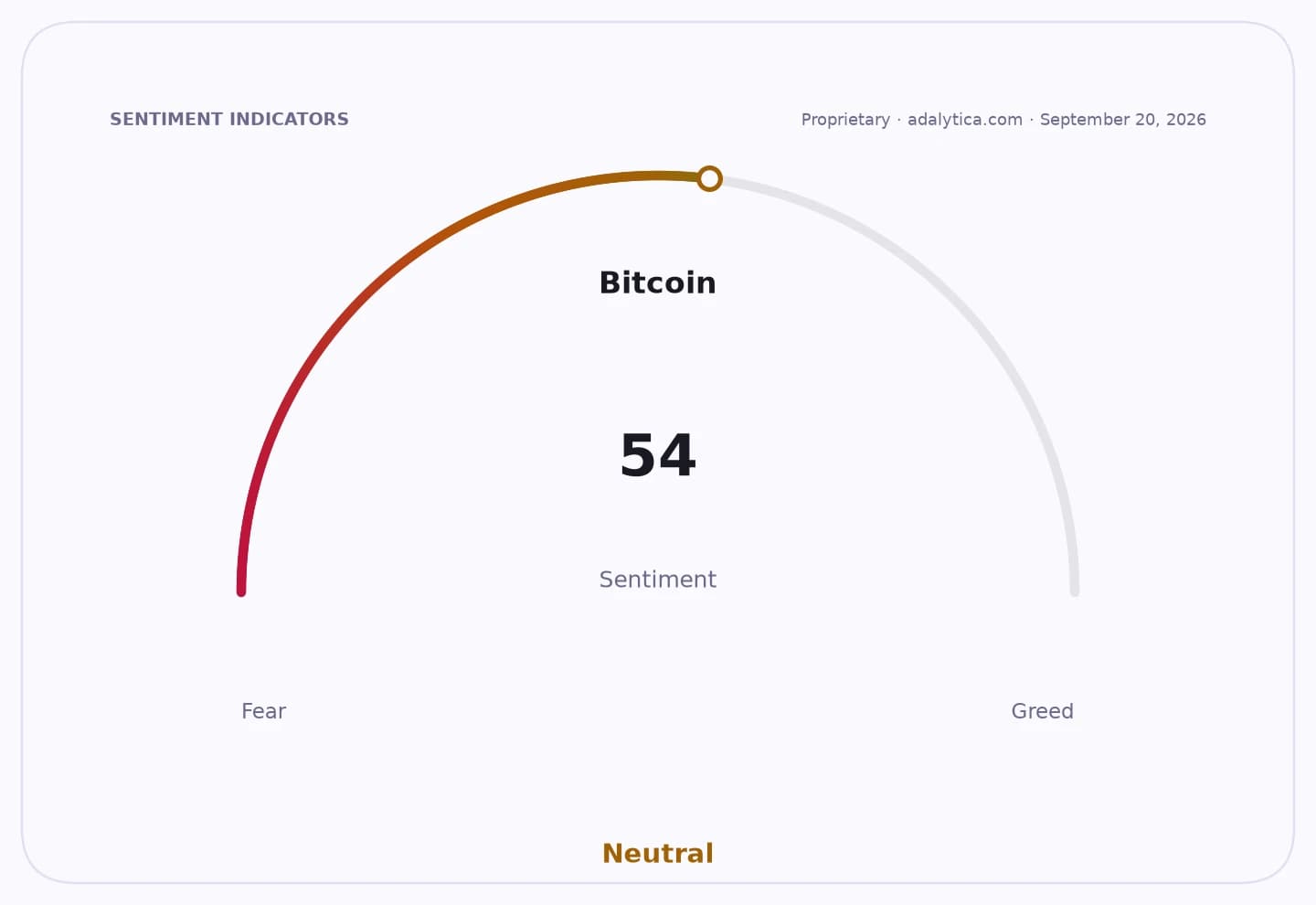
Bitcoin’s price action is starting to reflect that thesis. The cryptocurrency traded around $80,475 on Sept. 20, well above its 50-day moving average of about $72,826 and its 200-day moving average of roughly $70,458, showing the broader uptrend remains intact even after sharp swings. Its relative strength index has cooled to 52.2, a reading that suggests the market is not stretched, while the price is still close to the upper end of its recent Bollinger Band range. In plain English, bitcoin has room to run if the macro tailwind strengthens.
The setup also fits a market that is still hedging aggressively. Sigel said investors are “really paying up” for puts versus calls, a sign that conviction is far from euphoric even as institutional clients — from advisers to sovereign wealth funds — keep buying. That mix can be constructive for patient holders: when positioning is cautious and the secular story is improving, upside often comes from money that is still underallocated, not from everybody already being in the trade.
The policy backdrop is helping, too. A Senate failure to advance the Clarity Act, which was meant to bring clearer rules to crypto market structure, underscores the messy legislative path ahead. Yet VanEck’s view is that regulatory gridlock may matter less than the bigger structural forces pushing money toward crypto, especially if lawmakers continue to struggle with fiscal constraints and the banking industry keeps pressuring for favorable stablecoin rules.
Stablecoins may turn out to be the other big beneficiary of that shift. Sigel argued that lawmakers and the banking lobby are fighting over an arrangement that already largely exists, which suggests the crypto payments ecosystem could keep expanding even without a clean statutory victory. For investors, that means the opportunity is not just bitcoin’s price, but the broader digital-asset rails that could grow around it.
The long-term case, then, is straightforward. If fiscal deficits stay wide, rates eventually ease and institutional adoption keeps deepening, bitcoin’s ceiling can rise with it. If you’re building a portfolio for the next three to 10 years, that makes bitcoin worth watching closely — not as a short-term trade, but as a scarce asset whose bull case increasingly depends on macro reality, not just market momentum.
| Entity | Gains | Losses |
|---|---|---|
| Bitcoin holders | ▲Higher upside thesis | ▼Short-term volatility |
| Stablecoin issuers | ▲Wider crypto adoption | ▼Traditional banking lobby |
| Crypto institutions | ▲More client demand | ▼Regulatory clarity delay |
| Fiscal hard-asset bulls | ▲Hedge narrative strengthens | ▼Fiat-confidence believers |