Bitcoin Rises Above $76,000 After Fed Hike
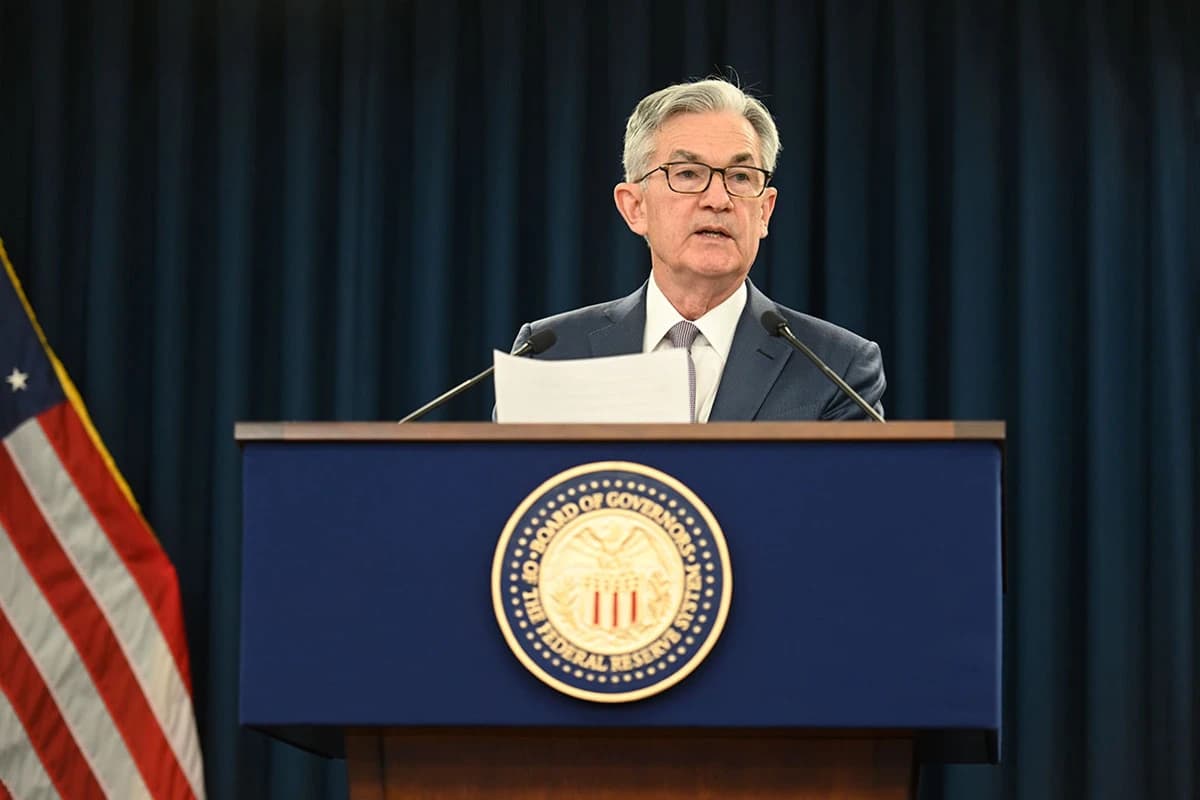
Bitcoin rose above $76,000 even after the Federal Reserve delivered its first rate hike since 2023, underscoring a market that is increasingly trading on policy expectations, regulatory catalysts and capital flows rather than the old rule that tighter money automatically crushes crypto.
That matters because the biggest risk to digital assets is no longer just the level of rates — it is whether tightening is a surprise. In this case, it wasn’t. Futures markets were pricing a 92.7% probability of a hike just hours before the Fed decision, and traders had already positioned accordingly. Bitcoin dipped to around $75,350 before the announcement, then jumped through $76,100 within minutes and briefly touched $76,500 after the US cash session ended. By the close, it was near $76,138. In other words, the move was less a reaction to policy and more a release of pent-up positioning.
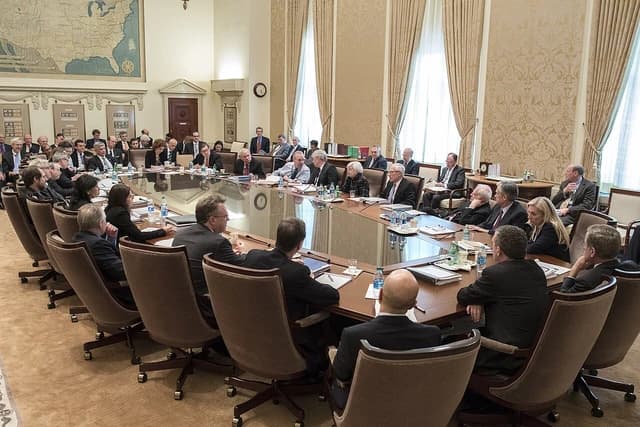
That is an important shift for investors. When an asset can rally into a rate hike, it tells you the market is looking through the headline and focusing on the next layer of the trade: liquidity, real yields, and the possibility that one more hike does not become a full-blown tightening cycle. The Fed’s own projections added to that ambiguity, with 16 of 18 officials now expecting another increase by year-end, up sharply from nine in June. Yet the decision itself was unanimous, and the statement was measured, suggesting the central bank wants to preserve optionality rather than shock markets into repricing the entire path of rates.
The crypto tape also reflects a broader divergence between macro and sector-specific drivers. Bitcoin and XRP were already under pressure after the Senate blocked the CLARITY Act, a setback that kept the market in a regulatory fog just as investors were hoping for more precise federal oversight. That episode triggered more than $300 million in leveraged liquidations, while Bitcoin and Ether ETFs saw a combined $592 million in outflows on Sept. 15, their worst day for redemptions in months. For crypto investors, that is the real story: policy uncertainty in Washington is still a direct capital-flow event, often more powerful than a quarter-point move in the fed funds rate.

The action in gold reinforces the point. The metal briefly surged toward $4,360 after the Fed decision before slipping back into the $4,280 to $4,300 range, suggesting investors are still treating the move as a positioning event rather than a fresh macro shock. That same pattern is visible in Bitcoin, where price has been resilient even as technical readings show the asset cooling from earlier momentum. Bitcoin closed around $76,420 on Sept. 17, with the 50-day moving average near $72,150 and the 200-day moving average around $70,337. RSI readings near 29.6 point to a market that has already absorbed a lot of near-term selling pressure and may be vulnerable to another sharp rebound if flows turn positive.
Our thesis is that the market continues to underestimate how quickly crypto can decouple from the Fed narrative when institutional demand, ETF flows and regulatory headlines dominate the tape. A single hike does not matter nearly as much as whether investors believe the Fed is close to the end of the cycle. Meanwhile, the regulatory overhang is creating asymmetric opportunities in the infrastructure and exchange layer, where the winners are the platforms that capture volume whenever the next wave of capital returns.
Coinbase, the sector’s bellwether, finished at $173.97 on Sept. 17 after rebounding from the prior day’s weakness, but it is still trading well below where it would sit if Washington provided the clarity institutions keep demanding. That is precisely why the CLARITY Act matters so much: not because it moves Bitcoin by itself, but because it could unlock a much larger pool of retirement, advisory and ETF-linked capital that remains on the sidelines.
The next catalyst is straightforward. If the Fed signals this is a contained tightening step rather than the start of a prolonged cycle, and if lawmakers eventually revive crypto legislation, the market could reprice digital assets much higher from here. For investors, the setup favors patience on the core assets and aggression in the toll roads around them — exchanges, custodians, brokers and ETF rails. Bitcoin is telling you the old macro script is broken. The better trade is to own the infrastructure that benefits when capital returns.
| Entity | Gains | Losses |
|---|---|---|
| Bitcoin holders | ▲Relief rally, stronger positioning | ▼Short-term sellers |
| Crypto exchanges like Coinbase | ▲Higher volumes, ETF flow upside | ▼Regulatory uncertainty |
| ETF issuers | ▲Potential inflows if sentiment stabilizes | ▼Recent redemptions |
| Fed hawks | ▲Less market fear than expected | ▼Tightening narrative credibility |