Bitcoin’s reputation as a safe haven for long-term holders took a bruising after hackers stole about $86 million from more than 4,500 Coldcard offline wallets, a breach that goes straight to the heart of crypto’s security promise.
Bitcoin near $63,700 after Coldcard wallet hack
That matters because hardware wallets are supposed to be the last line of defense for investors who want to buy bitcoin and sit on it for years, not trade it. If “cold storage” can be compromised at scale, the entire trust chain behind self-custody, wallet makers and the broader crypto infrastructure gets more expensive to maintain and more difficult to sell.
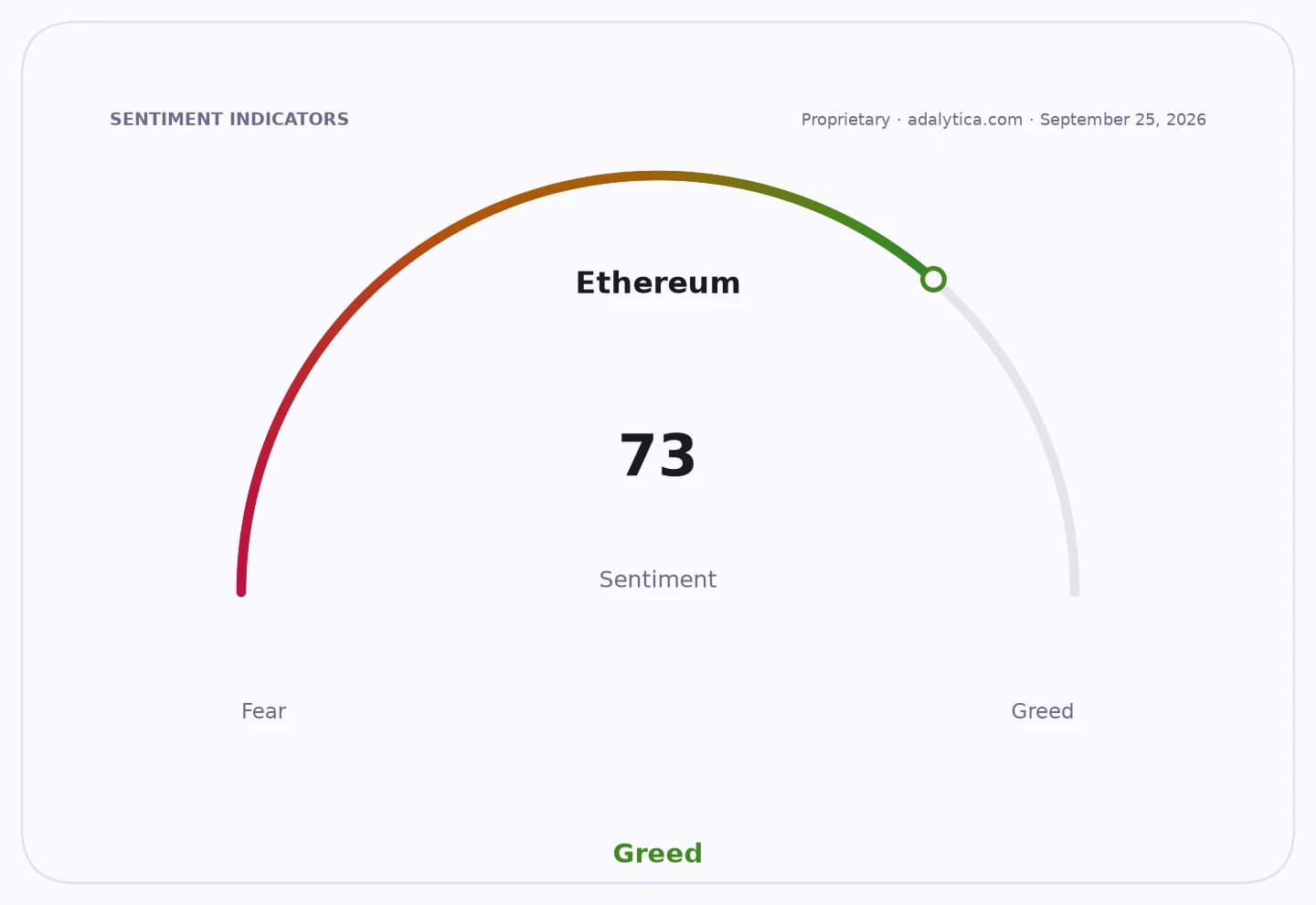
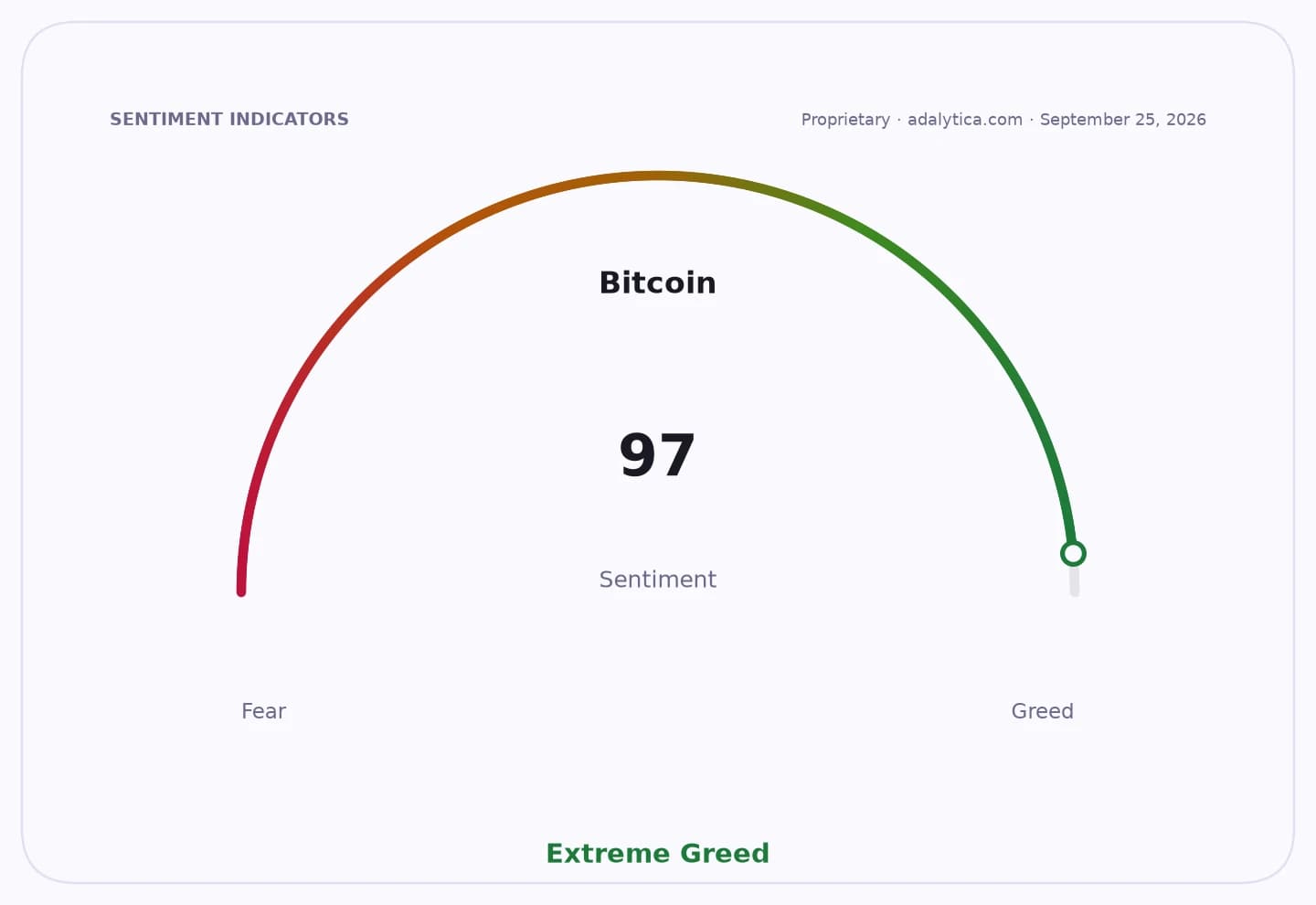
Sentiment IndicatorsⓘProprietary · adalytica.com · August 3, 2026
This is a snapshot — live sentiment, awareness and momentum for 130+ markets update continuously in the dashboard.Open AlphaPulse
Coldcard said it halted shipments and destroyed remaining units after the breach, underscoring how serious the damage is to both operations and credibility. For investors, the immediate issue is not just the loss itself, but the possibility that customers will reassess where they keep coins, how much they self-custody and which hardware providers survive a trust crisis.
Bitcoin’s price action shows the market is already on edge. The token is trading around $63,700, below its 50-day moving average near $63,311 and well under the 200-day average around $70,966, with an RSI reading in the low 40s and a bearish MACD setup. In plain English, bitcoin is not in a euphoric uptrend right now; it is trying to stabilize after a sharp reset.
That is why this hack matters beyond one company. It can push more investors toward regulated exchanges, custodial services or institutional-grade storage, even as some long-term believers may double down on the idea that good operational security is part of the investment case. Either way, the incident reinforces a core lesson: in crypto, the technology may be decentralized, but the risk often concentrates in the weakest link.
For Coinbase, the fallout cuts both ways. A trust shock in self-custody could support demand for the company’s custody and trading services over time, but it also keeps pressure on the entire sector’s promise of frictionless security. MicroStrategy, the biggest corporate bitcoin holder, is less exposed to wallet-device risk than retail users, yet its stock remains tied to confidence that bitcoin itself can retain its store-of-value appeal.
The bigger investor takeaway is that bitcoin still has a powerful long-term adoption story, but every security failure raises the cost of participation. If you are a patient investor, the response is not panic; it is discipline. Favor diversified exposure, understand where your assets are held and remember that even “offline” storage is only as strong as the company and processes behind it. This is a reminder to stay selective, stay skeptical and keep bitcoin on the watchlist for the long haul.
| Entity | Gains | Losses |
|---|---|---|
| Coinbase | ▲More custody demand | ▼Sector trust spillover |
| Bitcoin holders using exchanges | ▲Easier custody options | ▼Less self-custody control |
| Coldcard | ▲Possible security overhaul | ▼Reputation damage |
| Long-term bitcoin bulls | ▲Better risk discipline | ▼Short-term confidence shock |