Bitcoin ETF hedges could unwind, JPMorgan says
Bitcoin may be positioned to outpace gold if investors back away from defensive ETF hedges, according to JPMorgan, which says the cryptocurrency’s heavily protected positioning could leave more room for upside than the metal.
The call matters because it ties Bitcoin’s next leg higher not to a new catalyst in the coin itself, but to a shift in how institutional money is positioned across crypto and gold funds. JPMorgan’s view is that if demand for downside protection fades, Bitcoin could benefit more than gold from any improvement in risk appetite.
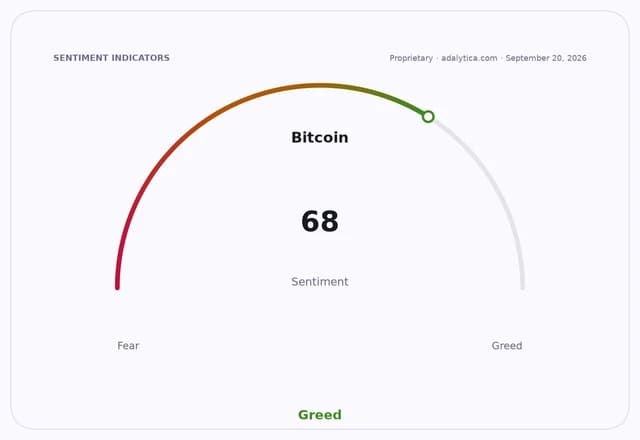
That argument comes as both assets have drawn renewed ETF inflows since the Federal Reserve’s July meeting, when investors revived the so-called “debasement trade” as a hedge against currency erosion. But the recovery has not been even: gold ETFs have already recouped all of their earlier 2026 outflows, while Bitcoin ETFs have recovered only about half.
JPMorgan’s team led by Nikolaos Panigirtzoglou says the bigger story is the defensive tone around Bitcoin products. Short interest in BlackRock’s iShares Bitcoin Trust ETF, or IBIT, remains close to this year’s highs, while the put-to-call open-interest ratio on IBIT is higher than on SPDR Gold Shares, or GLD, indicating stronger demand for crash protection in Bitcoin-linked options than in gold.
That setup may be bullish for Bitcoin if those hedges unwind. A reduction in short selling and put buying would remove a layer of pressure on the token and could leave BTC with more room to outperform gold, even though gold has so far shown the stronger ETF rebound.
Bitcoin was trading around $80,303 on Sunday, after slipping from $81,233 a day earlier, but it remains above both its 50-day moving average of about $73,192 and its 200-day average near $70,500. Gold’s SPDR ETF closed near $401.17 on Friday, above its 50-day average but below its 200-day average, underscoring that both assets are still in play for macro investors.
The backdrop also includes lingering regulatory uncertainty in the U.S., which JPMorgan has previously said has narrowed the window for passage of the Clarity Act. For investors, that leaves Bitcoin’s near-term direction tied as much to positioning and policy risk as to price momentum.
The immediate focus now is whether ETF hedging demand continues to cool. If it does, JPMorgan’s thesis is that Bitcoin could be the bigger beneficiary relative to gold.
| Entity | Gains | Losses |
|---|---|---|
| Bitcoin ETF longs | ▲More upside if hedges unwind | ▼Less support if defensive demand persists |
| Bitcoin shorts | ▲Potential squeeze if IBIT short interest eases | ▼Higher risk if positioning flips bullish |
| Gold ETF holders | ▲Relative stability from stronger inflows | ▼Can lag if capital rotates to Bitcoin |
| BlackRock IBIT | ▲Higher trading activity | ▼Elevated bearish positioning pressure |