A new paper showing the work needed for a future quantum attack on Bitcoin and Ethereum has fallen by more than half, pushing a once-theoretical crypto risk closer to the center of the market and giving speculative quantum-computing stocks like Rigetti Computing another catalyst.
Bitcoin, Ethereum quantum attack risk falls

That matters because the threat is not that today’s networks can be broken now — they cannot — but that the cost curve is moving faster than many investors expected. Researchers tied to the Ethereum Foundation, Theta Labs, StarkWare and others say the estimated effort for a key step in such an attack has dropped to about 1.5 billion from roughly 3 billion in a benchmark cited by Google Quantum AI in March, even though the figures are not directly comparable. The point is the direction: less hardware progress is being required to make the attack look feasible on paper.
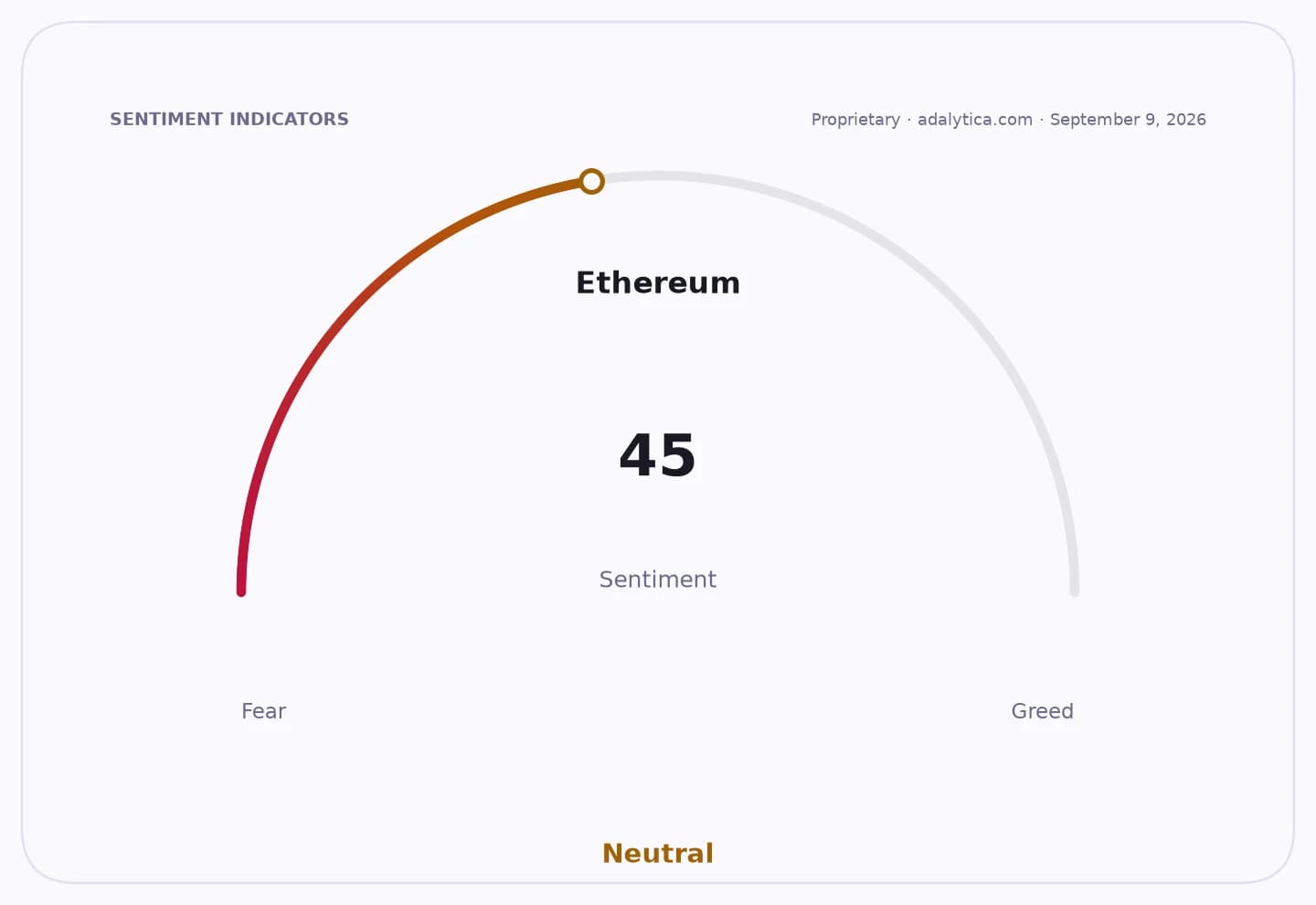
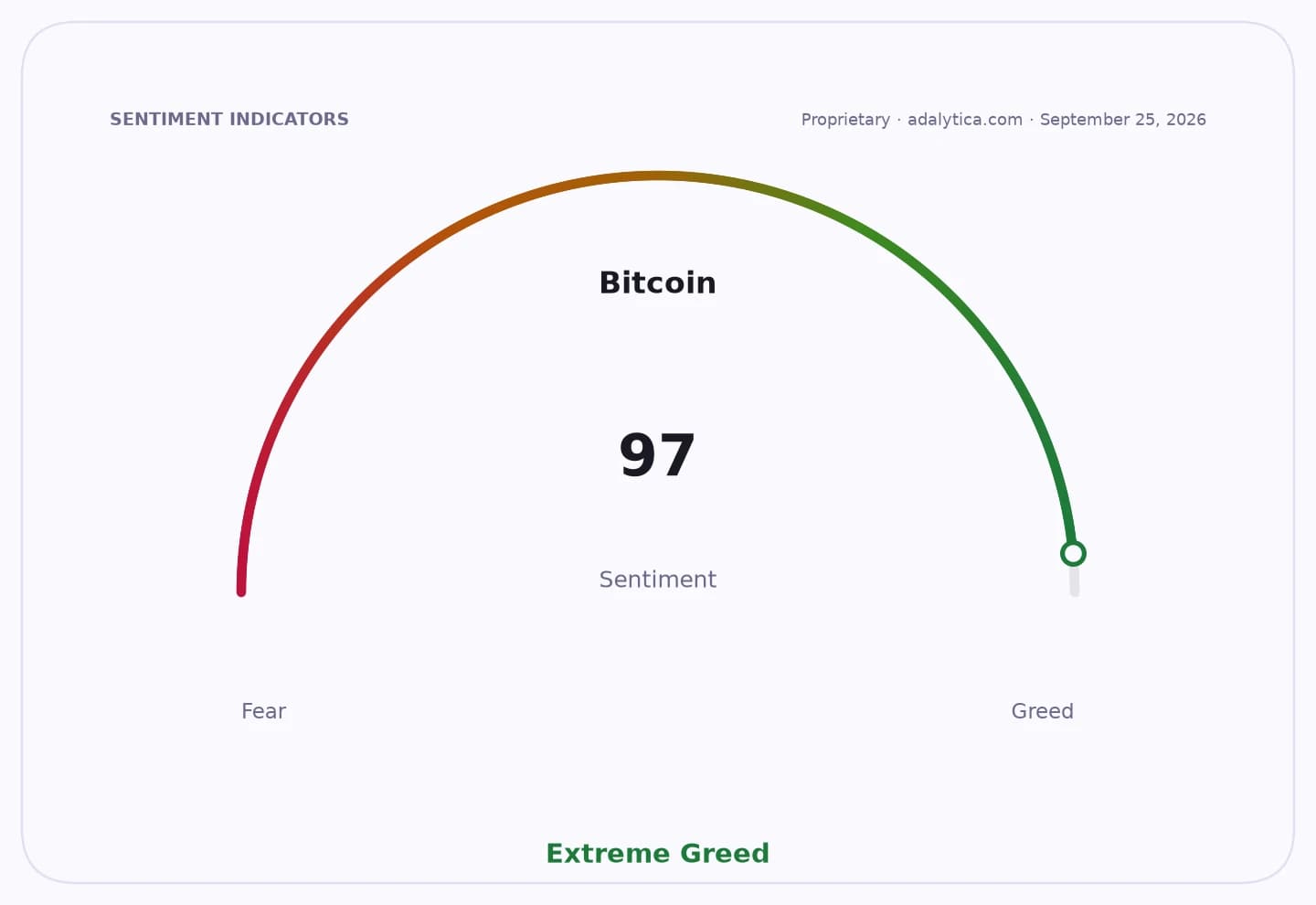
Sentiment IndicatorsⓘProprietary · adalytica.com · September 24, 2026
This is a snapshot — live sentiment, awareness and momentum for 130+ markets update continuously in the dashboard.Open AlphaPulse
For Bitcoin and Ethereum holders, the real economic issue is that both networks rely on secp256k1 signatures. A sufficiently powerful quantum machine could, in theory, derive a private key from a public key once it is exposed, turning a long-running cybersecurity question into a balance-sheet risk for the crypto ecosystem. The paper does not prove an imminent breach, but it compresses the timeline for one of the market’s most important “low probability, high impact” scenarios.
That is why the story reaches well beyond crypto. The harder the industry believes quantum resistance is to postpone, the more pressure there will be on developers to move toward quantumsafe signatures before a real threat materializes. That transition would be costly, technically messy and slow, but the longer it takes, the more the market has to price in a structural overhang on Bitcoin and Ethereum adoption, custody, and exchange infrastructure.
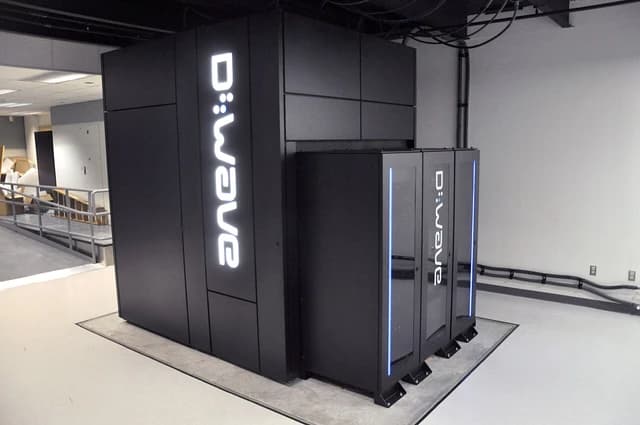
Investors, meanwhile, get a second-order trade: quantum computing stocks. Rigetti, D-Wave Quantum and Quantinuum all received CHIPS Act funding commitments of up to $100 million each from the U.S. Commerce Department in early September, along with minority stakes from the government. That does not make them safe or profitable — far from it — but it does put federal capital behind the very hardware stack that, in a future world, would underpin quantum breakthroughs. For traders, that is enough to keep these names on the radar as high-beta proxies for the race to fault-tolerant machines.
Rigetti is already trading like a speculative option on that future. Its shares closed at $16.52 on Sept. 22, below the 200-day moving average of $18.77 but above the 50-day moving average of $15.98, while the RSI reading of 67 suggests the stock has been firm without yet flashing a full-blown technical blowoff. Bitcoin, by contrast, is still trading with extreme greed in Adalytica’s fear-and-greed snapshot, which is exactly the kind of environment where uncomfortable risk is easiest to ignore.
The market underestimates how quickly this can shift from academic debate to investable theme. If quantum cost curves keep falling and Bitcoin or Ethereum developers sketch a credible migration path to post-quantum signatures, the narrative will move from “not yet” to “must own the picks-and-shovels.” Until then, the asymmetric opportunity sits in the quantum names — but only for investors who can tolerate deep volatility and a very long runway. The actionable takeaway: treat quantum computing as a secular infrastructure theme, not a crypto hedge, and watch for any credible protocol upgrade that forces the market to reprice both Bitcoin risk and Rigetti’s upside at the same time.
| Entity | Gains | Losses |
|---|---|---|
| Rigetti Computing | ▲CHIPS Act funding, quantum hype | ▼valuation reset risk |
| Bitcoin & Ethereum developers | ▲urgency for quantum-safe upgrades | ▼reputational pressure |
| Bitcoin & Ethereum holders | ▲longer-term security focus | ▼rising quantum-risk overhang |
| Short sellers of quantum stocks | ▲volatility opportunities | ▼government-backed upside catalysts |