Bitcoin falls to $66,604 on risk-off trading
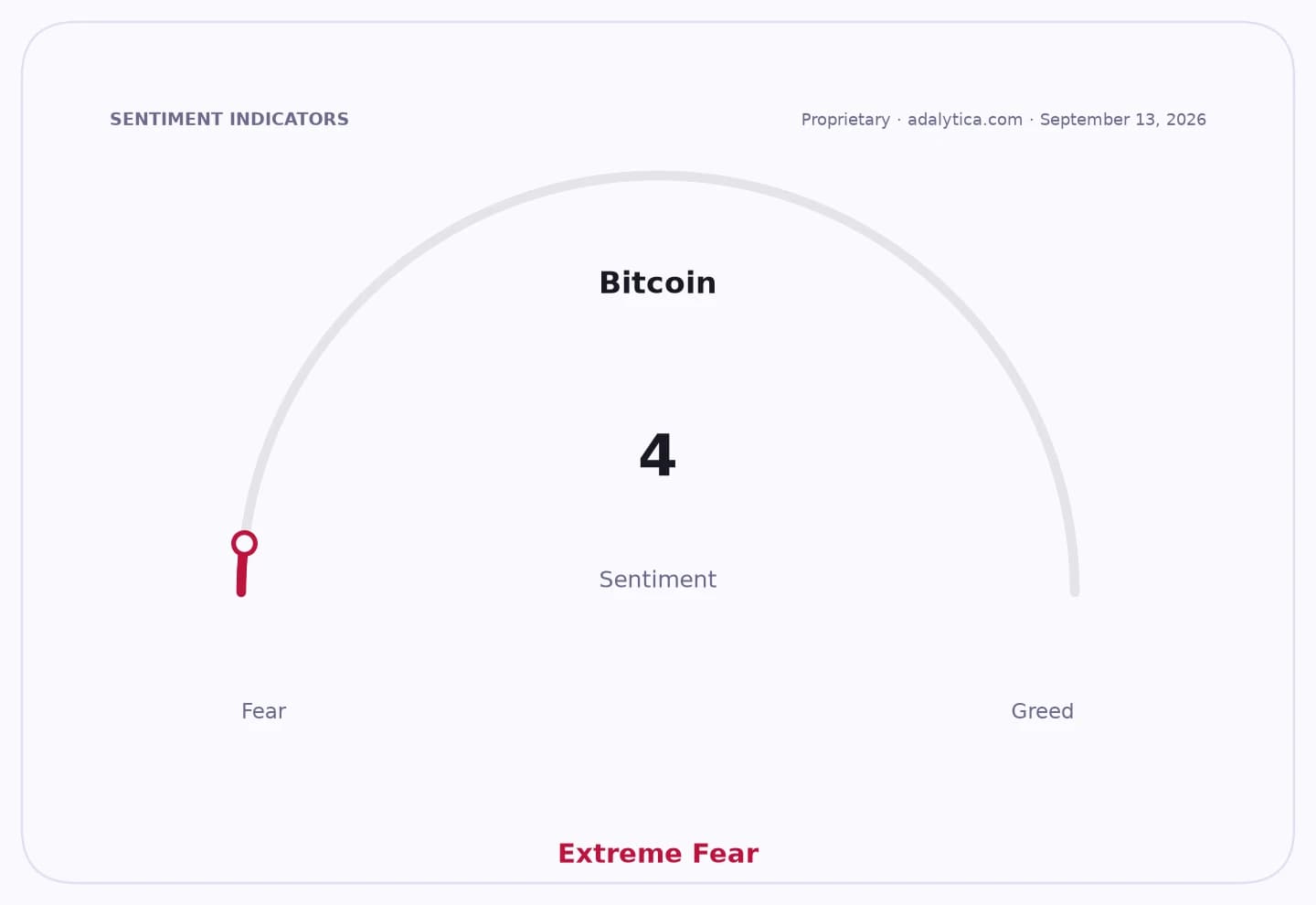
Bitcoin fell 3.2% on Tuesday to $66,604 as rising geopolitical and macroeconomic uncertainty sent investors back toward safer assets and away from the kind of risk trades that have powered the cryptocurrency’s long run higher.
That matters because Bitcoin no longer moves in a vacuum. For many investors, it has become a high-beta macro asset — closer to the most volatile corners of the stock market than to digital gold when fear is rising. When tensions flare and growth worries build, Bitcoin is often one of the first places capital gets trimmed.
The latest slide also extends a four-week losing streak, reinforcing the idea that this is not just a one-day wobble. Traders are watching the $60,000 area as a key support level, and a decisive break below it could shake confidence further. The fact that Bitcoin failed to rebound even as U.S. stocks recovered intraday is a reminder that the coin is still vulnerable when risk appetite fades across markets.
Technical readings back up that caution. Bitcoin’s relative strength index, a standard market indicator, has cooled from overheated levels and is sitting near neutral territory, while momentum has weakened alongside the price. At the same time, the cryptocurrency is still trading well above its 50-day and 200-day moving averages, which tells long-term investors that the broader trend remains intact even if the near-term tape is soft.
For investors, the important question is not whether Bitcoin can bounce tomorrow. It is whether periods like this continue to prove that the asset behaves like a speculative risk trade in stress events. That does not make Bitcoin uninvestable; it does mean sizing matters, and patience matters more. In a diversified portfolio, Bitcoin can still play a role as a high-conviction, high-volatility bet on adoption, liquidity and long-term scarcity.
The broader message is familiar: when geopolitics worsens, capital tends to reward balance-sheet strength, cash flow and defensive positioning, while punishing the assets that rely most on abundant risk appetite. Bitcoin is still very much in that second group during market stress. Long-term investors may want to keep it on the watchlist, but this is the kind of retreat that argues for discipline, not haste.
| Entity | Gains | Losses |
|---|---|---|
| Safe-haven assets | ▲Fresh demand | ▼Less capital |
| Bitcoin bulls | ▲Potential long-term entry point | ▼Near-term momentum |
| Risk-off investors | ▲Lower exposure to volatility | ▼Upside participation |
| U.S. equities | ▲Relative stability on intraday rebound | ▼Crypto-linked spillover risk |