Bitcoin Falls on Fed Uncertainty and ETF Outflows
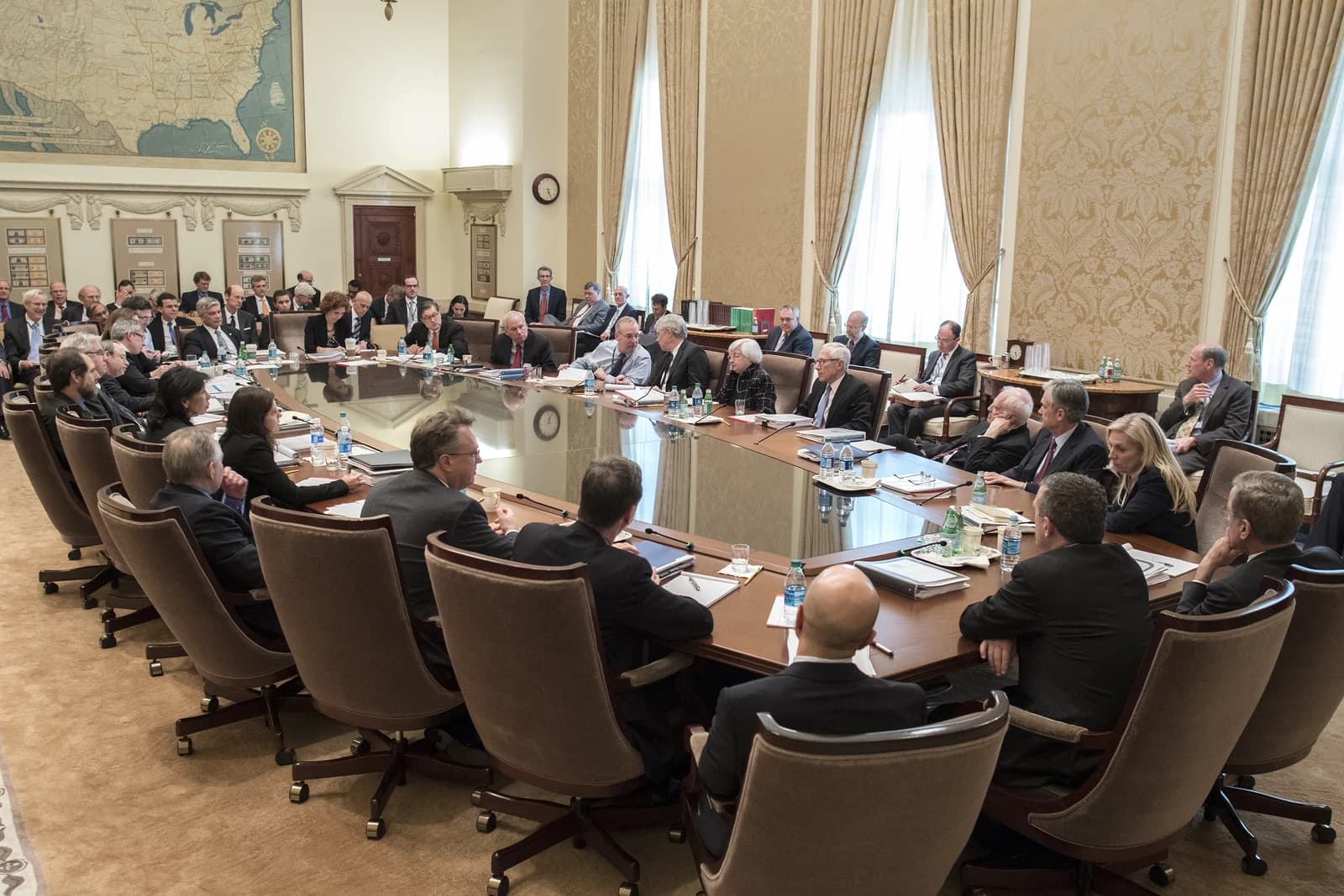
Bitcoin is caught in a classic late-cycle squeeze: macro uncertainty from the Federal Reserve is colliding with fresh legal risk, while U.S. spot ETF withdrawals show that institutional money is still willing to hit the exits.
That matters because Bitcoin’s latest move is not being driven by crypto-native enthusiasm so much as by the same liquidity forces that now dominate equities, credit and the dollar. When traders are waiting on the Fed, trimming ETF exposure and reassessing leverage, Bitcoin stops trading like an isolated alternative asset and starts behaving like a high-beta macro proxy.
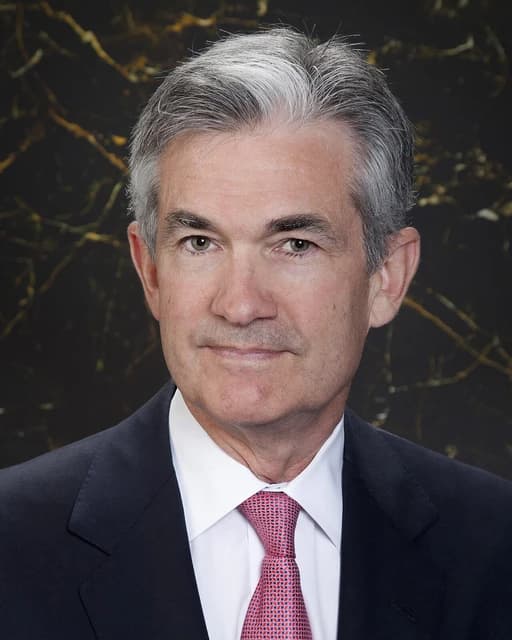
The immediate pressure point is the Federal Reserve. Bitcoin has been oscillating around the mid-$76,000s to $80,000 as investors position for the next policy decision, with traders building stablecoin balances rather than chasing price higher ahead of clarity on rates. If the Fed turns out less hawkish than expected, the short-covering could be violent; if it stays restrictive, risk assets that depend on abundant liquidity may struggle to recover quickly.
The market is already showing strain. Spot Bitcoin ETFs in the U.S. saw about $450 million in outflows, the biggest daily drawdown since June, while the Coinbase premium has softened, a sign that domestic demand is cooling. For investors, that combination matters more than the headline price because ETF flows are now one of the cleanest gauges of institutional conviction. When the premium fades and fund outflows accelerate, the marginal buyer disappears.
The legal backdrop is adding another layer of risk. Celsius’s roughly $495 million lawsuit against BitMEX over liquidation losses from the 2020 Covid crash is a reminder that the crypto market’s leverage cycle never really vanished; it just moved into new wrappers. For investors, that is important because every major reset in crypto has been followed by a repricing of counterparty risk, margin assumptions and the value of exchanges and derivatives platforms that depend on active leverage.
But the bigger story is not just stress — it is institutionalization. Deutsche Bank is reportedly moving toward a crypto custody service for institutions, starting with Bitcoin, Ether and select stablecoins. Circle is pushing its Arc blockchain for payments, tokenization and institutional finance. Theo is launching tokenized silver with active lease income, and Two Prime is bringing a Bitcoin lending vault onchain. These are not isolated experiments; they are the plumbing of a market that is turning crypto into financial infrastructure.
That is why the current selloff deserves attention. Bitcoin may be under pressure today, but the longer-term setup is being shaped by who controls the rails: banks, stablecoin issuers, ETF providers, lenders and tokenization platforms. If the Fed loosens conditions later this year, the asset with the deepest institutional access and the clearest scarcity narrative is likely to attract capital first.
The trade, in our view, is to watch for stress now and accumulation later. A weaker U.S. dollar, easing QT expectations and a more dovish Fed could all reignite Bitcoin’s upside quickly, while the buildout in custody, onchain lending and tokenized assets keeps expanding the addressable market. For investors, the message is simple: the pullback is about liquidity, but the opportunity remains structural.
| Entity | Gains | Losses |
|---|---|---|
| Bitcoin bulls | ▲Lower entry point | ▼Near-term volatility |
| Spot Bitcoin ETF sellers | ▲De-risking opportunity | ▼Missed upside if Fed pivots |
| Exchanges and levered traders | ▲Higher activity from volatility | ▼Margin and counterparty scrutiny |
| Custody, stablecoin and tokenization players | ▲More institutional demand | ▼Slower risk appetite if Fed stays hawkish |