Bitcoin Holds Near $75,000 After Fed Hike
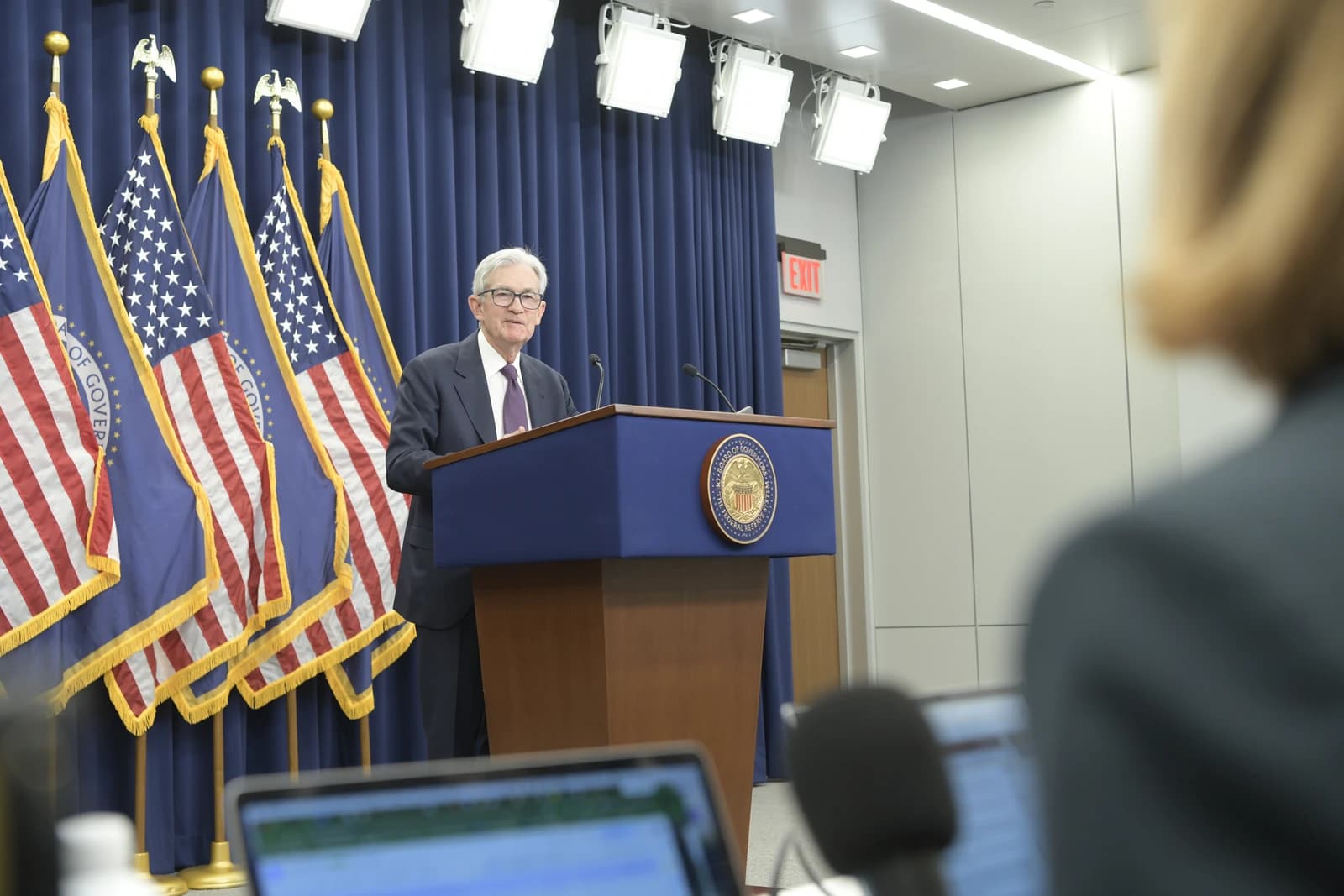
Bitcoin is trying to defend the $75,000 level after the Federal Reserve delivered a widely expected 25-basis-point rate hike and U.S. lawmakers failed to advance the CLARITY Act, leaving traders to digest tighter policy and a fresh regulatory setback at the same time.
The move matters because Bitcoin has become increasingly sensitive to the same macro forces that drive equity risk appetite: real yields, dollar strength and expectations for liquidity. A rate increase to 3.75%-4.00% was already mostly priced in, but the Fed’s guidance now carries more weight than the headline decision itself, especially for an asset that has climbed on hopes of easier financial conditions. At the same time, the Senate setback on the main crypto market-structure bill this year removes one of the market’s clearer policy catalysts and reinforces the view that regulation will remain uncertain into year-end.
Bitcoin was last trading around $76,150 on Sept. 16 and $76,750 on Sept. 17 after slipping to about $74,970 following the Senate vote, according to the data provided. That leaves the market roughly anchored just above the psychologically important $75,000 threshold, but momentum has faded. The relative strength index on Bitcoin fell to 31.5 on Sept. 17 from 46.3 a day earlier, while the price remains well below the recent high near $81,051. The 50-day moving average at roughly $72,156 and the 200-day average near $70,339 suggest the broader trend is still intact, but near-term positioning has clearly cooled.
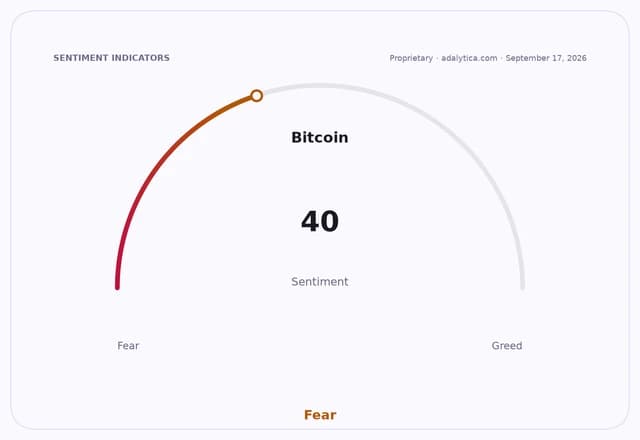
The pullback also reflects a broader reset in crypto sentiment. Adalytica’s Bitcoin fear-and-greed gauge fell to 40 from 48 in a day, back into neutral territory, after briefly sitting above 50 earlier in the week. That swing is consistent with the market’s reaction to a policy-heavy session: traders are reducing risk into the Fed rather than chasing a fresh breakout. Total crypto market value at about $2.65 trillion shows the asset class is still large enough to matter to global liquidity conditions, but not so broad that it can ignore a shift in rates or regulation.
Investors are watching whether Bitcoin can hold the low-$75,000 area because a break there could expose the market to a move toward $74,000, a level some analysts have highlighted as the next support zone. Bulls argue the rate hike was fully priced and that any weakness could attract dip buyers from long-term holders who continue to treat Bitcoin as a macro asset with scarce supply. Bears counter that without an easier policy backdrop or a clear regulatory win, upside may remain limited and the market could stay trapped in a volatile range.
The Fed decision will likely determine whether this is a temporary de-risking or the start of a deeper consolidation. If the central bank sounds less hawkish than feared, Bitcoin may stabilize above $75,000 and refocus on liquidity expectations. If not, the market may spend the next few sessions testing whether this cycle’s buyers are willing to defend a level that now functions as both technical support and a sentiment line in the sand.
| Entity | Gains | Losses |
|---|---|---|
| Bitcoin bulls | ▲Buy-the-dip opportunity | ▼Near-term momentum |
| Bitcoin bears | ▲Break below $75,000 trade | ▼Risk of a rebound |
| Traders with cash | ▲Lower entry levels | ▼Late momentum chasers |
| Crypto policy advocates | ▲Nothing immediate | ▼CLARITY Act progress |