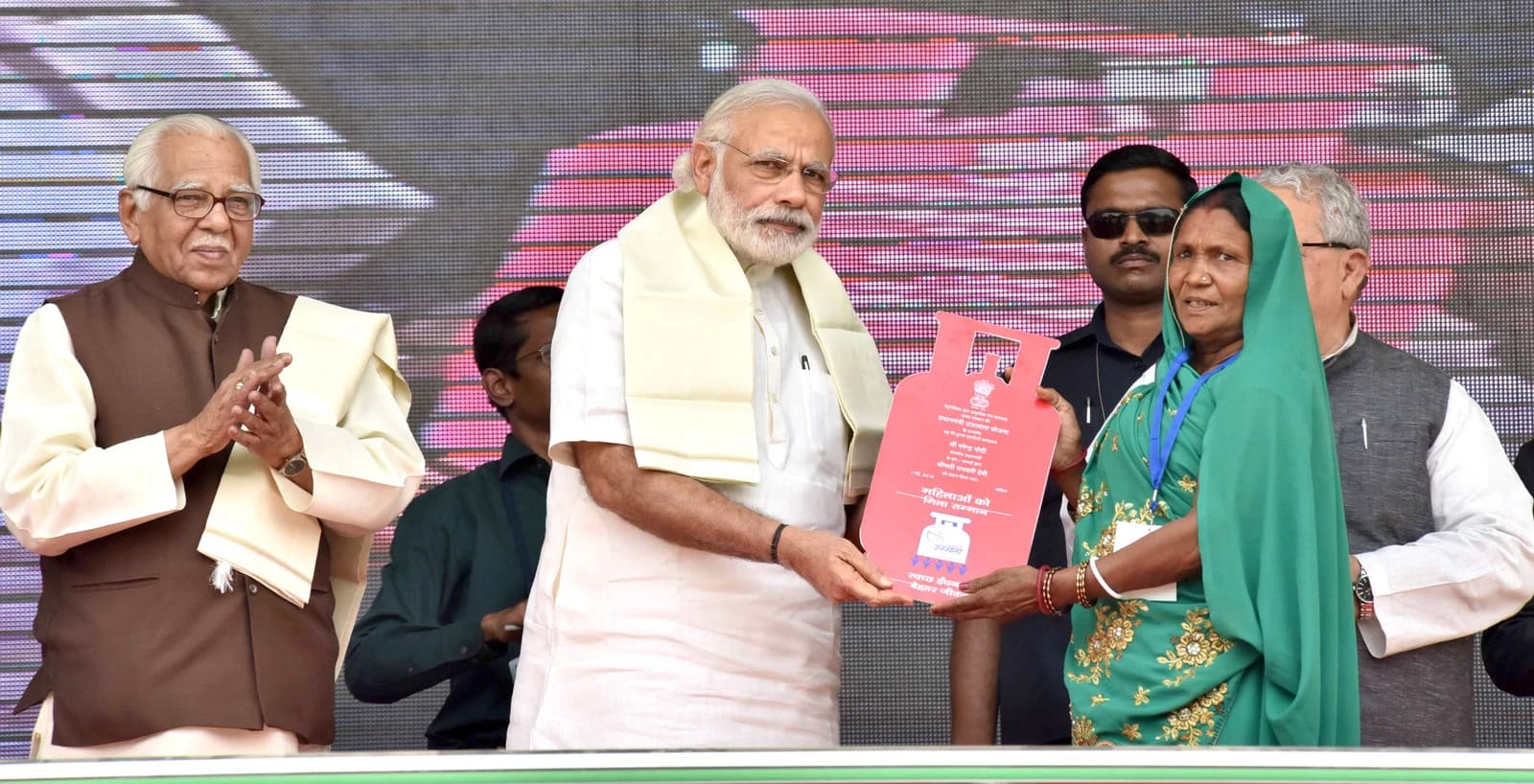
The BJP has taken control of most Rajasthan municipal chief posts in a local body contest that underlines its organizational edge in the state, even as the Congress managed to hold a few pockets of support and accused the ruling party of using state machinery to influence the outcome.
BJP wins most Rajasthan municipal chief posts
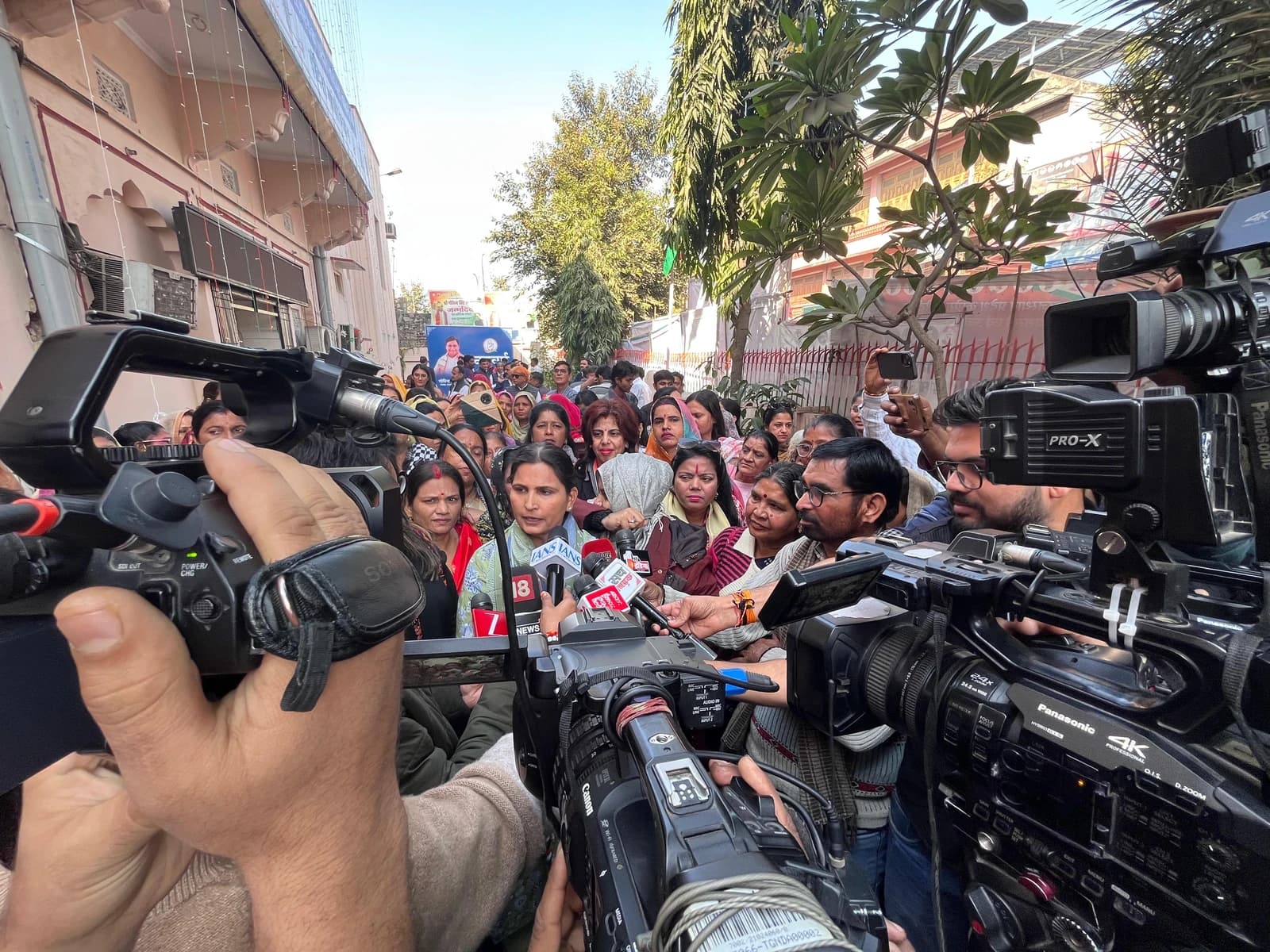
In the first round of results, the BJP won six of the seven mayoral posts declared so far, while Congress secured one in Bikaner. The broader ward tally also points to a BJP lead, with the party winning 1,193 wards against Congress’s 1,012, suggesting the saffron party has converted its post-assembly-election momentum into local institutional control.
That matters because municipal boards are not just symbolic victories. They decide who controls urban contracts, local development spending, civic staffing and the political pipeline that feeds future assembly campaigns. For the BJP, winning the top posts in cities such as Jaipur gives it a stronger hand in shaping administration in a state where urban voters are politically influential and where the next round of state contests will likely be fought on governance and delivery.
For Congress, the results are mixed rather than catastrophic. The party’s win in Bikaner and the support claimed by leaders such as Sachin Pilot in Tonk show it can still mobilize in selected areas, particularly where local candidates and caste equations work in its favor. But the overall pattern leaves the party trying to defend relevance in urban Rajasthan after losing the state government.
The contests were also politically charged. Former chief minister Ashok Gehlot accused the BJP government of misusing police and administrative agencies to pressure newly elected councillors, alleging intimidation across the state. The BJP rejected that framing and said the results reflected public endorsement of its work over the past 32 months.
Investor relevance is indirect but real. Rajasthan’s civic boards influence the execution of infrastructure, housing, sanitation and urban services contracts, areas where policy continuity can affect local business sentiment, contractor flows and state-level spending efficiency. A cleaner BJP sweep could reduce policy fragmentation in urban governance, while a more contested landscape could keep political friction high and slow decision-making.
The bigger narrative is that Rajasthan remains politically competitive, but the BJP has so far shown it can outperform Congress at the municipal level even amid controversy. That gives the ruling party momentum ahead of future electoral tests, while Congress will need to rely on selective local bases rather than a broad urban comeback.
| Entity | Gains | Losses |
|---|---|---|
| BJP | ▲Control of most civic chief posts | ▼Faces allegations of pressure tactics |
| Congress | ▲Holds pockets like Bikaner | ▼Loses urban political ground |
| Rajasthan government | ▲Stronger local administrative reach | ▼Higher scrutiny over election conduct |
| Urban contractors and local service providers | ▲Potential policy continuity | ▼Risk of prolonged political friction |