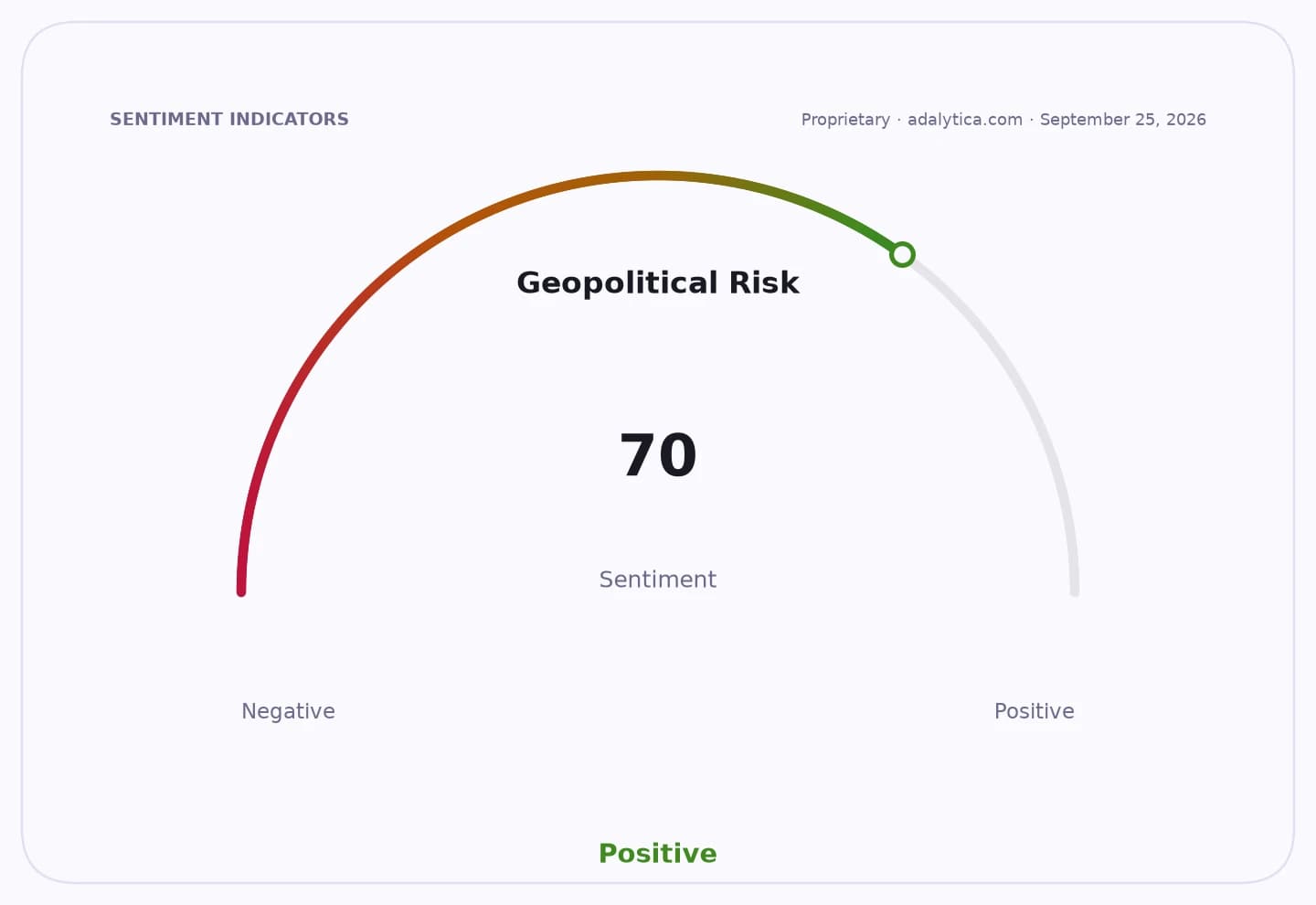
The black-market U.S. dollar has snapped out of its recent stagnation and is moving higher again, a shift that matters because it often signals renewed pressure on local currencies, import costs and inflation expectations long before official exchange rates fully catch up.
Black-Market Dollar Rebounds as U.S. Dollar Firm
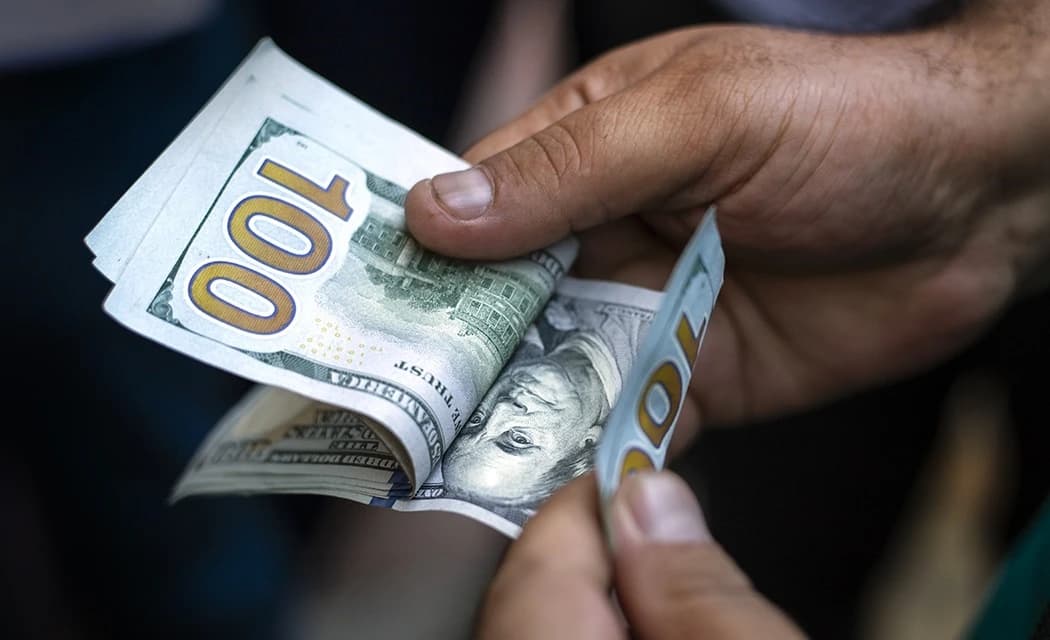
For investors, that rebound is a reminder that foreign exchange is not just a trading story — it is a real-economy story. When demand for dollars rises in parallel with fear readings in the market, businesses that rely on imported goods can face tighter margins, households can see purchasing power erode, and policymakers can find it harder to stabilize prices. That is especially important in economies where the black market, rather than the official peg, does much of the price discovery.
Sentiment IndicatorsⓘProprietary · adalytica.com · July 14, 2026
This is a snapshot — live sentiment, awareness and momentum for 130+ markets update continuously in the dashboard.Open AlphaPulse
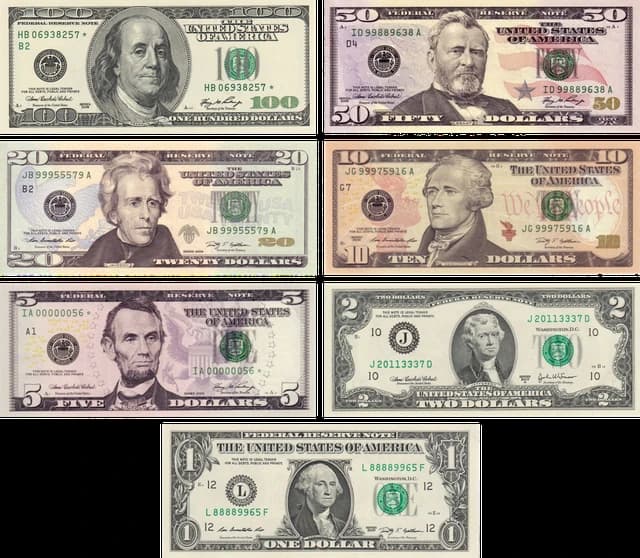
The move comes as broader dollar gauges firm up as well. The UUP exchange-traded fund, which tracks the U.S. dollar against a basket of major currencies, has climbed to 28.50 from 28.36 just a few sessions earlier, trading above both its 50-day and 200-day moving averages. The conventional technical indicators suggest the greenback still has momentum, even if the pace is not explosive. By contrast, the yen proxy FXY remains weak at 56.46, while FXE, the euro fund, has drifted down to 105.01. In plain English: the dollar is not surging everywhere, but it is holding a firm tone, and that often filters into black-market pricing fastest.
Adalytica’s US Dollar Trade Signals underscore that mood. Its snapshot shows fear at 26 with awareness at 14, or “Extreme Fear,” even after the dollar’s latest rebound. That combination is telling. It suggests traders are still cautious, but not complacent, and that can keep upward pressure on informal dollar rates if local savers and importers continue to seek hard currency as a hedge.
US Dollar — 30-day sentimentadalytica.com
Explore this data interactively — full history, time series and cross-market comparisons.Open AlphaPulse
That matters economically because black-market rates often become the reference point for real-world decisions. Businesses importing fuel, food, machinery or consumer goods may price off the street rate rather than the official one. If the dollar keeps rebounding, it can widen the gap between nominal stability and lived inflation, creating a headache for central banks and finance ministries trying to preserve confidence.
It also matters to investors because currency weakness rarely stays confined to FX desks. A stronger dollar tends to favor exporters, commodity producers with dollar revenues and global companies that earn abroad, while pressuring import-dependent retailers, airlines and emerging-market borrowers with dollar debt. For long-term investors, the bigger lesson is that currency cycles can quietly reshape corporate earnings and national balance sheets over years, not weeks.
There is still room for reversals. FX volatility signals remain in “Extreme Fear,” which usually means traders expect sharp moves in either direction. And the dollar’s recent gains are not yet broad enough to declare a one-way trend. But the rebound in the black market rate, combined with firmer U.S. dollar benchmarks, suggests the market is again leaning toward dollar strength rather than stability.
For investors, that makes the next few months worth watching closely. If the dollar continues to firm, the pressure on local currencies, inflation and import-heavy sectors could intensify. If it fades again, the black-market rebound may prove to be just another false start. Either way, this is the kind of currency story that can matter for years — and it belongs on the watchlist.
| Entity | Gains | Losses |
|---|---|---|
| Dollar holders | ▲Preserve purchasing power | ▼Holders of local currency |
| Importers | ▲None | ▼Higher input costs |
| Exporters | ▲Better competitiveness | ▼Pricier imports |
| Local consumers | ▲None | ▼Rising inflation pressure |