Wheat futures surged as attacks on Russian territory by Ukraine raised fears of disruptions to Black Sea exports, even as global supplies remain under pressure from shifting harvest and trade forecasts.
Black Sea Risk Lifts Wheat Futures
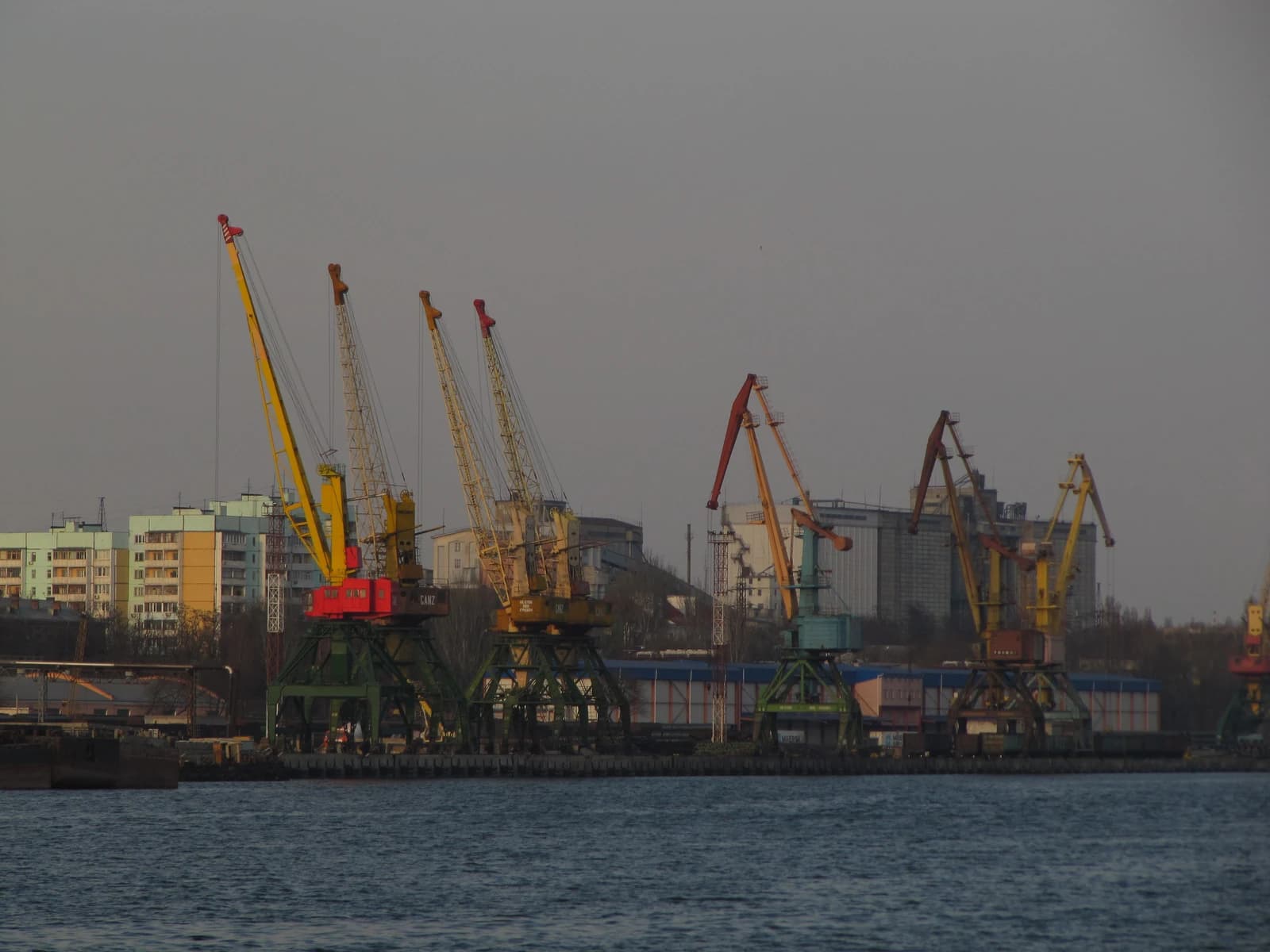
The move matters because Russia and Ukraine account for a large share of world wheat shipments, so any threat to ports, logistics or export corridors can quickly ripple through global food prices, importer budgets and inflation expectations. For investors, that means higher volatility in grain-linked assets and a sharper bid for producers and ETFs tied to wheat, while buyers, millers and food makers face a potential squeeze on input costs.
Sentiment IndicatorsⓘProprietary · adalytica.com · July 14, 2026
This is a snapshot — live sentiment, awareness and momentum for 130+ markets update continuously in the dashboard.Open AlphaPulse
Chicago wheat for July delivery rose to 637 cents a bushel on July 14, up from 599.5 on July 8 and 627 a day earlier, after briefly touching 638.75. The contract is now above its 50-day and 200-day moving averages, and the relative strength index has climbed to 69.7, a sign of strong momentum in conventional technical analysis.
Corn also firmed, with the July contract up to 17.55 cents a bushel from 17.25 on July 9, though it remains well below this spring’s highs. The broader grain complex is still being pulled by weather, supply and trade headlines, but wheat is the more direct hedge against any Black Sea shipping shock.
The rally comes as markets also watch oil and rates, both of which shape grain production and transport costs. Brent-equivalent crude data in the context show oil holding near $68.69 a barrel in the latest forecast, while the U.S. 10-year yield sits around 4.58%, leaving input costs and financing conditions sensitive even before any further escalation in the war.
The story is ultimately about risk premium returning to a market that had already been weakened by export uncertainty, with Ukraine’s attacks reviving fears that Russian shipments could be delayed or constrained. If the conflict intensifies around infrastructure or shipping lanes, wheat could extend its gains quickly; if export flows stay intact, the rally may fade as supplies and higher Ukrainian harvest expectations reassert themselves.
| Entity | Gains | Losses |
|---|---|---|
| Wheat bulls | ▲Higher futures | ▼Nearby buyers pay more |
| Black Sea exporters | ▲Pricier cargoes | ▼Shipping disruption risk |
| Grain producers | ▲Better pricing power | ▼Input-cost volatility |
| Food makers/importers | ▲— | ▼Higher raw-material costs |




