BMW Invests in Boston Metal Steel Tech
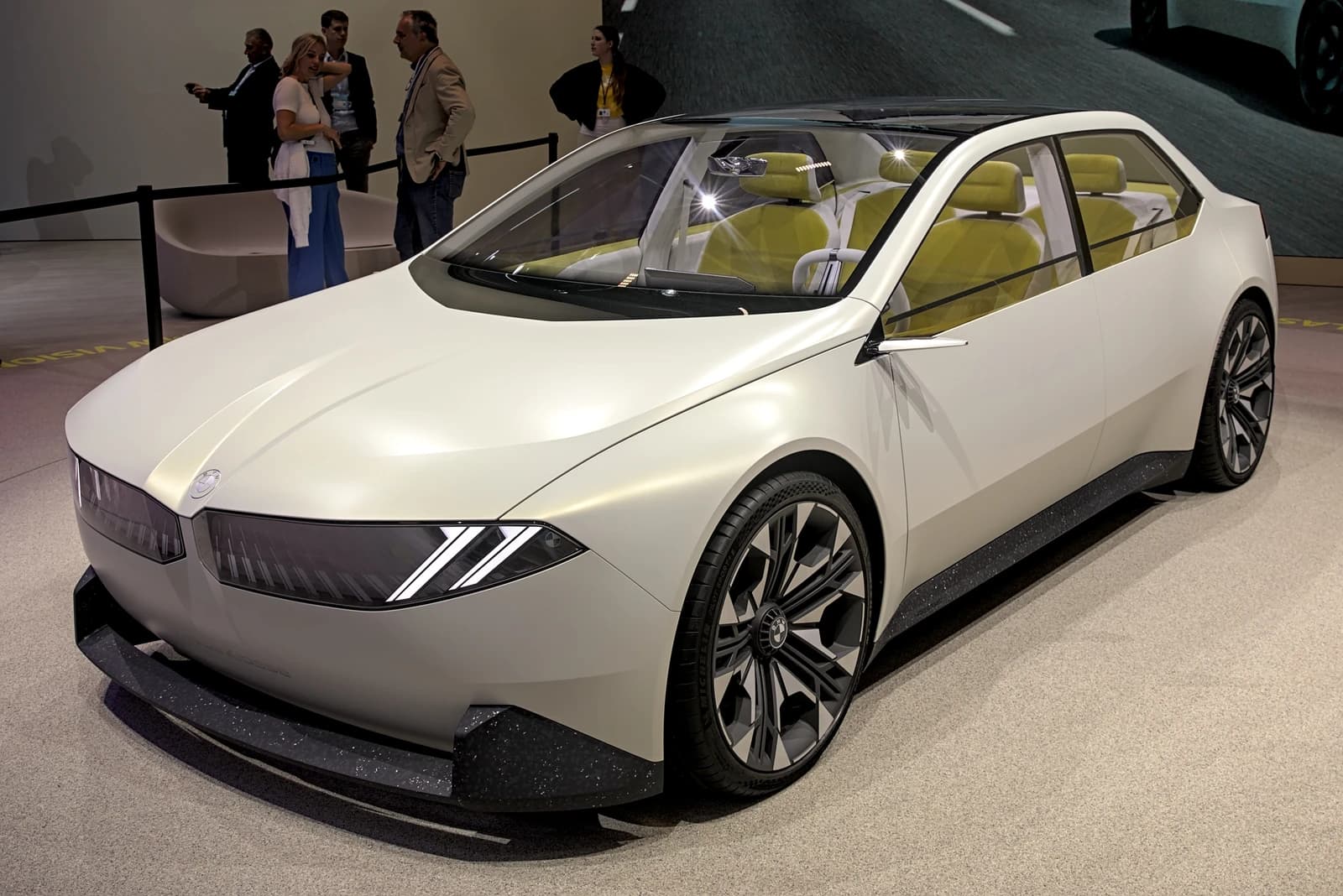
BMW Group is taking a financial stake in Boston Metal’s zero-CO2 steelmaking technology as the carmaker tries to cut emissions deep inside its supply chain, where steel remains one of the biggest carbon sources and one of the most important inputs.
The investment, made through BMW i Ventures, backs a process that uses electricity rather than coal to produce crude iron through molten oxide electrolysis, with the power expected to come from renewable sources if the method is scaled commercially. For BMW, the bet is strategic: the company says it wants supply-chain CO2 emissions per vehicle down at least 20% from 2019 levels by 2030 and has already made low-carbon content a key factor in supplier awards.
That matters economically because steel is embedded in almost every vehicle BMW builds, from body structures to components, and the company says its European stamping plants process more than 500,000 tons of steel a year. BMW also says it aims to trim 2 million tons of CO2 from its steel supply chain by 2030, part of a broader push that includes battery-cell suppliers and aluminum sourcing.
The move also underlines how automakers are leaning on upstream technology investments to secure lower-emission materials before regulators, customers and investors force the issue. BMW has said its production sites have been CO2-neutral since 2021 and that it has been buying only green electricity since 2020, but supplier emissions remain the tougher problem because they sit outside the factory gate and can carry a much larger carbon footprint.
Boston Metal plans to build demonstration facilities over the next few years and then scale the process toward industrial use. If it works, the technology could give BMW and other industrial buyers a route to lower-carbon steel without waiting solely for traditional blast furnace operators to retool, a shift that could eventually alter procurement economics across the auto sector.
BMW shares in Frankfurt were broadly in line with wider market moves, but investors are likely to focus on whether the company can turn sustainability spending into supply security and lower emissions without lifting input costs. The next catalyst is whether Boston Metal can prove the process at commercial scale and whether BMW expands similar bets across other carbon-heavy materials.
| Entity | Gains | Losses |
|---|---|---|
| BMW Group | ▲Lower supply-chain emissions | ▼Dependence on coal-based steel |
| Boston Metal | ▲Capital and validation | ▼Pressure to scale fast |
| Traditional steelmakers | ▲Incentive to decarbonize | ▼Share of low-carbon procurement |
| Auto investors | ▲Longer-term ESG credibility | ▼Near-term execution risk |