BMW i7 facelift launches in India at Rs 1.95 crore
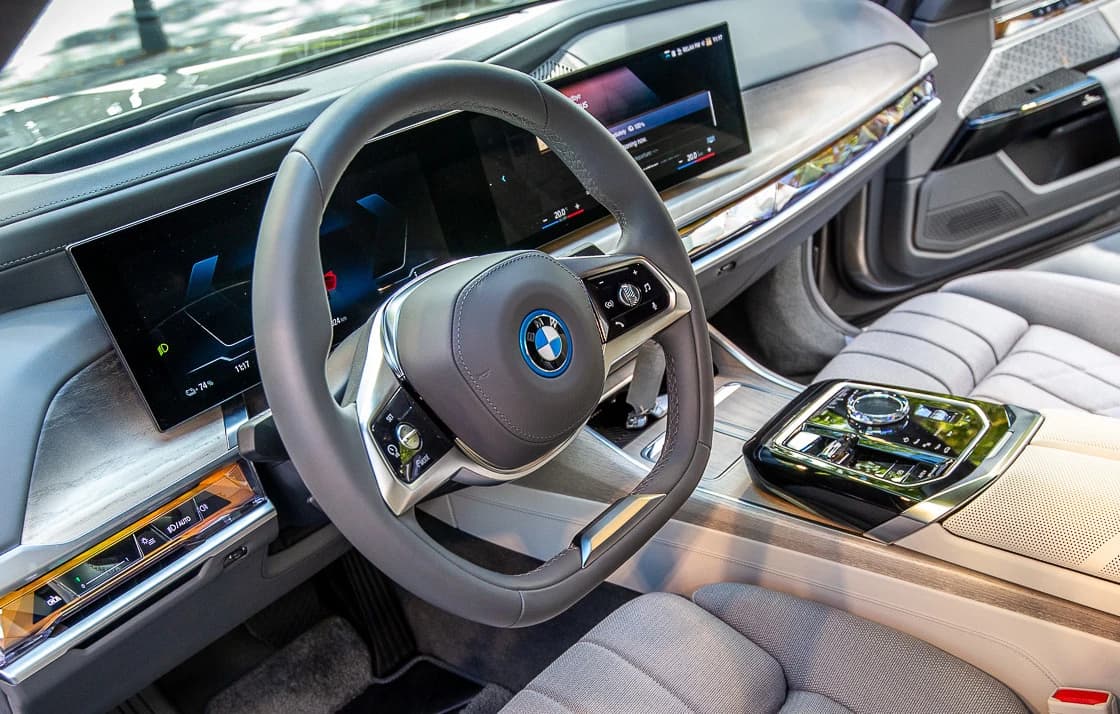
BMW’s refreshed i7 has landed in India at a starting price of Rs 1.95 crore, and the bigger market message is that premium electric luxury is moving from proof of concept to a higher-stakes battleground.
That matters because the i7 sits at the intersection of three powerful trends: the rise of ultra-luxury EV demand, the willingness of wealthy buyers to pay up for technology and status, and the growing importance of range as the first real filter for top-end electric adoption. BMW says the facelift brings more power and a claimed 728 km of range, a combination that strengthens the case for electric flagships where comfort, performance and prestige are now expected to coexist.
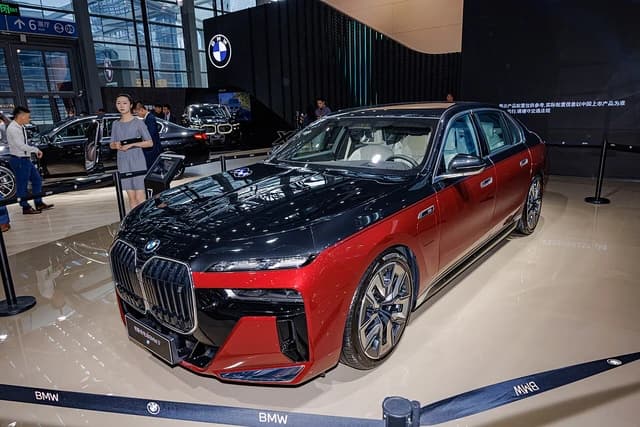
For investors, the launch underscores a key shift in the premium-auto market: the winner is no longer just the brand with the best badge, but the brand that can turn EV technology into an aspirational product without diluting margins. A vehicle priced near Rs 2 crore is not about volume. It is about brand equity, pricing power and the ability to keep affluent customers inside a manufacturer’s ecosystem while the industry resets around electrification.
That makes the i7 facelift more than a product refresh. It is a signal that luxury carmakers are still leaning on halo models to defend share, even as the broader auto market grapples with slower demand, heavier capex and rising software and battery costs. In India, where premium consumption has been relatively resilient, that strategy gives BMW another lever to extract value from a small but profitable buyer base.
The wider implication is that range and power upgrades are becoming table stakes in the upper end of the EV market. That should support suppliers tied to battery systems, power electronics, thermal management and in-car digital features, while intensifying pressure on rivals that cannot match luxury with credible electric performance.
The investment takeaway is straightforward: the real opportunity is not just in selling more EVs, but in selling expensive EVs to buyers who still care about brand cachet, range and exclusivity. BMW’s India launch shows that the luxury EV cycle is still early, and the companies best positioned to monetize it are the ones that can turn engineering upgrades into pricing power.
| Entity | Gains | Losses |
|---|---|---|
| BMW | ▲Higher-margin halo sales | ▼Volume-focused rivals |
| Wealthy Indian buyers | ▲More choice in luxury EVs | ▼Budget premium ICE buyers |
| Battery and powertrain suppliers | ▲More EV content per vehicle | ▼Legacy ICE component makers |
| Competing luxury automakers | ▲— | ▼Share in premium EV segment |