BMW’s India-made i5 eDrive35L matters because it shows the luxury carmaker is no longer treating electric sedans as niche halo products — it is using local assembly, aggressive pricing and long-wheelbase packaging to go straight at the Mercedes-Benz E-Class and defend the premium segment as EV adoption deepens in India.
BMW India-made i5 eDrive35L Targets E-Class Buyers
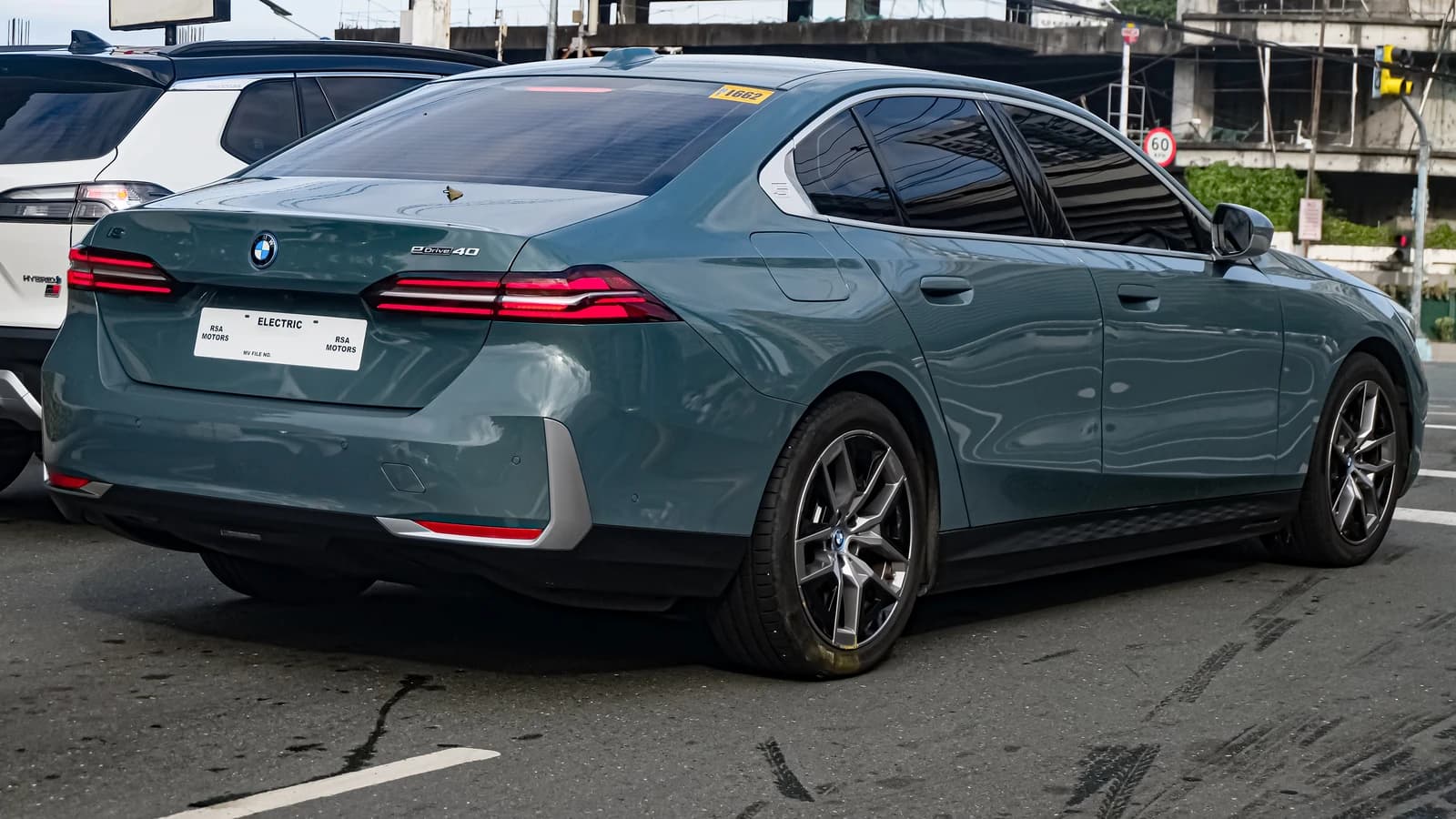
At ₹79.60 lakh before tax, the i5 is priced just ₹3 lakh above BMW’s petrol 530Li M Sport and below the ₹81.50 lakh Mercedes-Benz E 200 LWB, which makes this less about novelty and more about a calculated push for volume and brand relevance. That pricing gap is small enough to matter for affluent buyers weighing operating costs, status and rear-seat comfort, especially in a market where SUVs dominate but chauffeur-driven sedans still define the luxury core.
Sentiment IndicatorsⓘProprietary · adalytica.com · October 1, 2026
This is a snapshot — live sentiment, awareness and momentum for 130+ markets update continuously in the dashboard.Open AlphaPulse
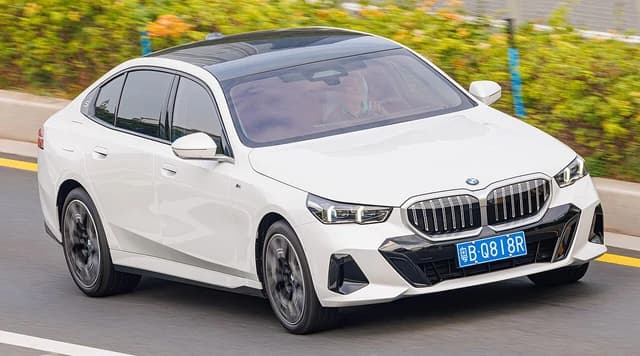
The bigger economic story is localization. A made-in-India EV lets BMW reduce logistics exposure, tighten pricing control and potentially preserve margin better than a fully imported model. It also signals that premium EVs are moving from experimentation to industrial strategy in India, where policy support remains in place and the battery ecosystem is still building out. The opportunity is broader than one car: as battery recycling, local supply chains and charging infrastructure improve, premium EVs become more viable as a scalable business, not just a compliance play.
For investors, the significance is that luxury EV demand can become a margin lever for OEMs with local manufacturing depth and a brand strong enough to command pricing. BMW is positioning itself where the market still underestimates willingness to pay for electric comfort, rear-seat space and long-range practicality. The i5’s claimed 669 km range, 160 kW fast charging and 81.6 kWh battery make it credible on usability, while its real-world luxury positioning widens the moat against rivals that rely mainly on badge appeal.
The product also reflects a larger shift in what premium buyers want from EVs. The i5 is not being sold as a driver’s machine; it is being sold as a quiet, spacious, well-ranged asset for commuting and executive travel. That is a much bigger addressable market in India than the enthusiast segment, and it favors companies that can pair software, battery efficiency and local assembly with strong after-sales networks.
The market should read this as an early signal that the next phase of India’s EV growth will come from premium localization, not just mass-market scooters and compact cars. BMW’s move may not transform the market overnight, but it strengthens the case for investors to look at the full EV stack — automakers with Indian assembly, battery suppliers, charging-linked plays and recycling beneficiaries — because the most profitable EV growth often starts at the top of the market before cascading downward.
| Entity | Gains | Losses |
|---|---|---|
| BMW | ▲Localized EV margin opportunity | ▼ICE sedan sales mix |
| Mercedes-Benz E-Class | ▲Benchmark for comparison | ▼Pricing advantage |
| Indian EV supply chain | ▲Higher premium demand | ▼Imported-model dependence |
| Buyers of luxury sedans | ▲More EV choice and value | ▼Chauffeur features gap |