BMW iX3 Neue Klasse test shows 500 km range
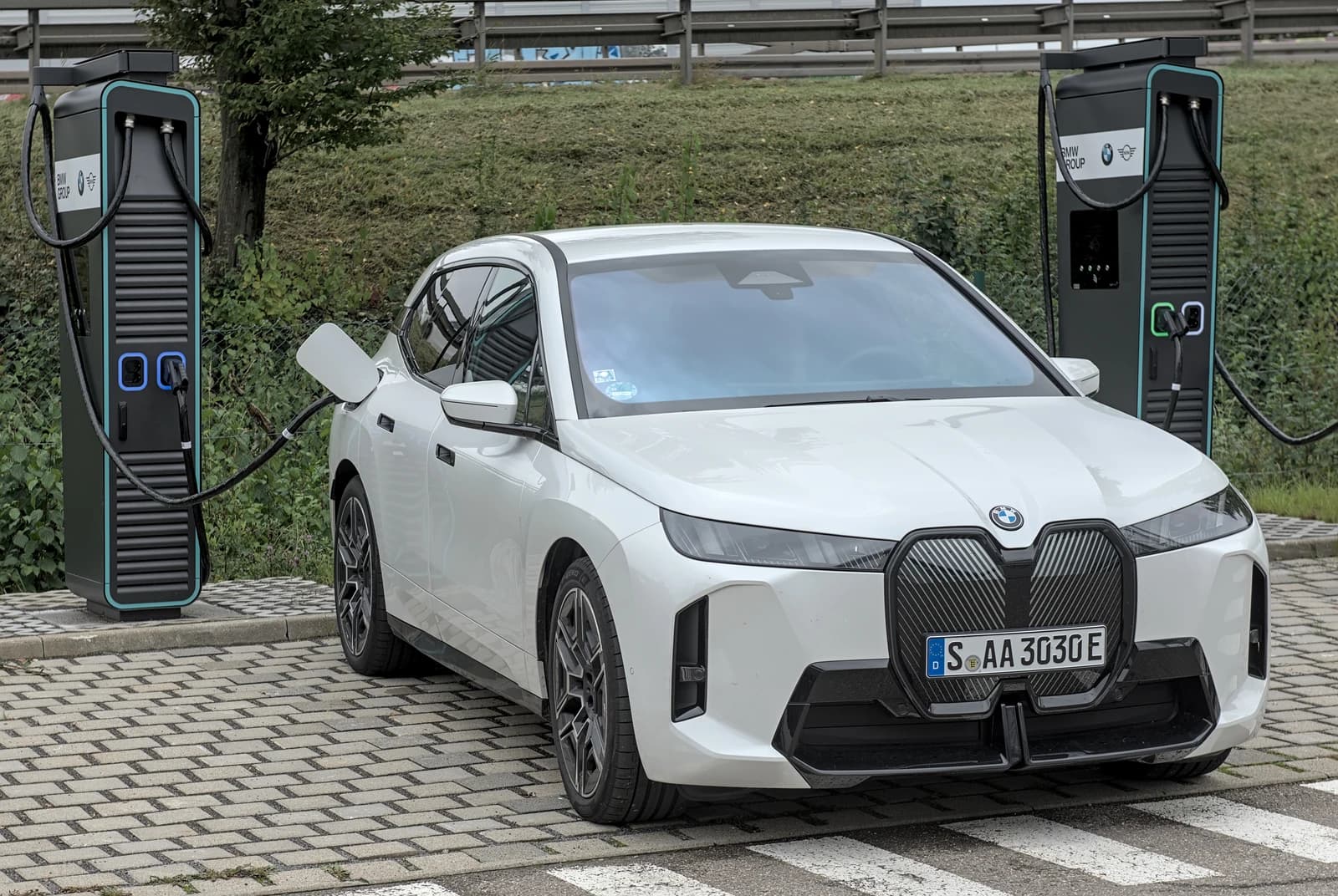
BMW’s first Neue Klasse electric SUV is turning the conversation from whether premium EVs can work in daily life to which automaker can make the most compelling all-rounder, and that shift matters because range, usability and software are now the real battleground in the upper end of the market.
In a real-world test of the iX3 50 xDrive, BMW’s new battery-powered SUV delivered the kind of performance that could help the company defend share as the EV market matures and buyers become less forgiving of compromises. With 469 horsepower, 645 Nm of torque and a 0-to-100 kph time of 4.9 seconds, the SUV is quick enough for the premium segment. More importantly, a 108-kWh battery and a consumption reading of 16 to just under 20 kWh per 100 kilometers translated into more than 500 kilometers of usable range in everyday driving.
That combination is what makes the iX3 strategically important. Range anxiety is no longer just about big numbers on a brochure; it is about whether a vehicle can combine performance, usability and charging practicality without forcing the owner to think like an engineer. BMW is clearly trying to recast the EV purchase decision around experience, not sacrifice, and that is a stronger proposition for affluent buyers who want a luxury SUV that behaves like a BMW first and an EV second.
The test also highlights how much the competitive bar has risen. The iX3 leans heavily into digital features such as the Panoramic View Display, touchscreen-led controls and an AI chatbot, while still keeping the familiar driving dynamics and strong braking that BMW loyalists expect. In a market where Tesla has defined the software-led EV narrative and Chinese rivals are pushing hard on value and technology, BMW’s edge has to come from fit, finish, range and everyday ease of use. This is where the Neue Klasse rollout could become a turning point for the Munich carmaker.
Investors should pay attention because premium EV adoption is increasingly a margin story, not just a volume story. BMW’s base price of 70,900 euros for the iX3 rises quickly with options, and the test car came in at 87,380 euros, underscoring the brand’s ability to extract pricing even as the electric market becomes more competitive. If BMW can sustain that pricing while proving that its electric lineup is genuinely better to live with, the company strengthens its case for higher-margin EV sales and a more credible long-term transition away from combustion.
The downside is that the premium pricing also leaves little room for execution errors. Mechanical noise from the windshield wiper in the test car is the sort of detail that can matter when buyers are paying nearly 90,000 euros. BMW has set a high bar with the iX3, and the next models in the Neue Klasse will determine whether this is a one-off success or the start of a broader product reset that could revalue the company’s EV story.
For investors, the takeaway is straightforward: BMW is making a serious bid to turn EV range and daily usability into a premium moat, and if the rest of the Neue Klasse family follows this template, the market may be underestimating how much pricing power and brand relevance the company can regain.
| Entity | Gains | Losses |
|---|---|---|
| BMW | ▲Stronger EV premium case | ▼Buyers sensitive to high option prices |
| Premium EV rivals | ▲Demand for luxury EVs | ▼Share if BMW execution holds |
| Tesla | ▲Broader EV market validation | ▼Software edge looks less exclusive |
| Consumers | ▲Better range and usability | ▼Fewer low-priced entry options |