BMW iX3 launch does not signal broad price hikes
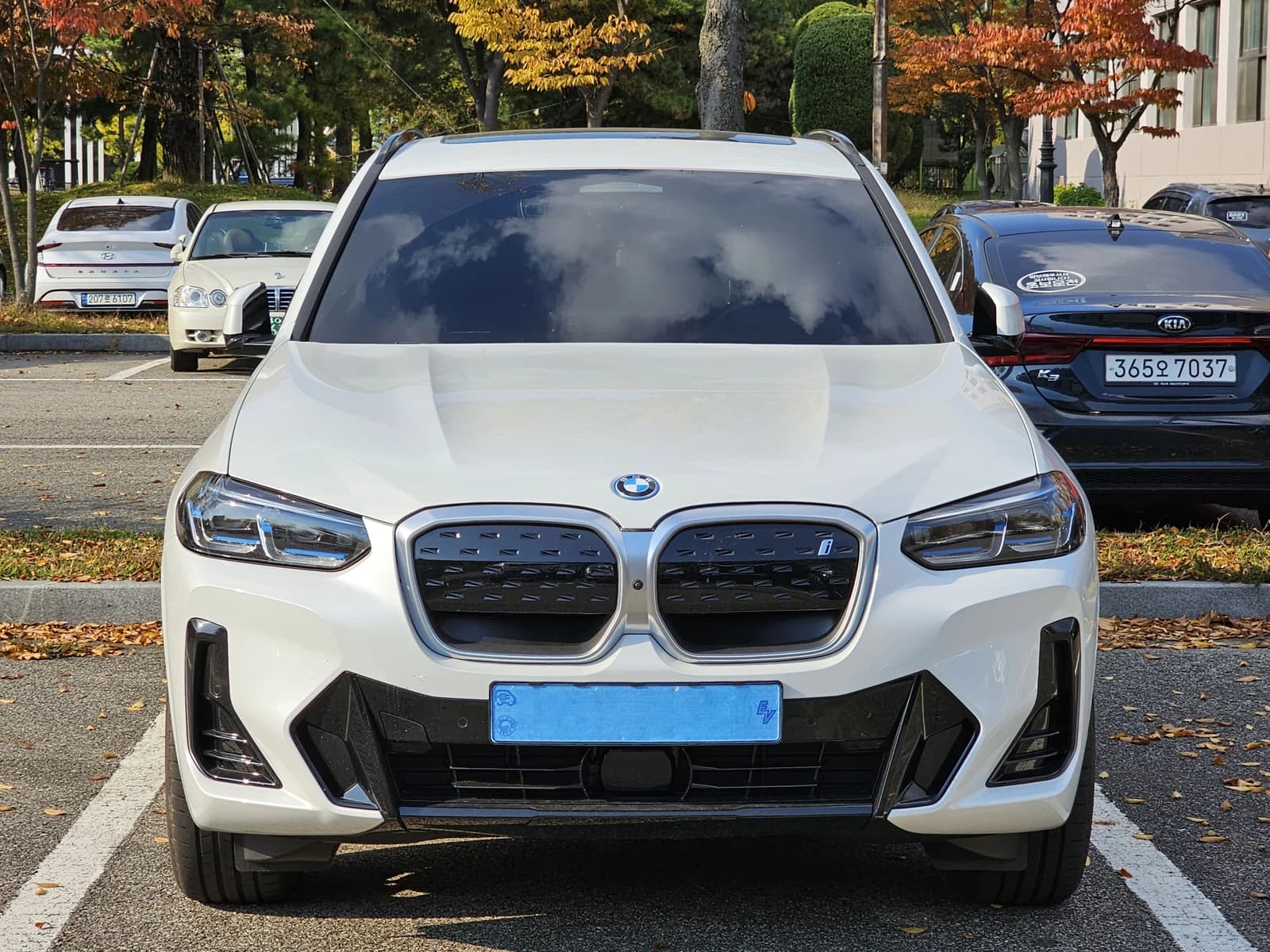
BMW’s sharp-looking iX3 may be grabbing attention, but investors should not confuse a flagship launch with a new, across-the-board pricing strategy for the German automaker.
That matters because pricing power is one of the most important drivers of long-term auto profitability. If BMW were preparing to push prices higher across its lineup, that would suggest stronger margin leverage and a more durable premium-brand moat. Instead, the launch looks more like a product-specific move tied to electrification, trim mix and technology content than a signal that BMW plans to reprice the brand in a meaningful way.
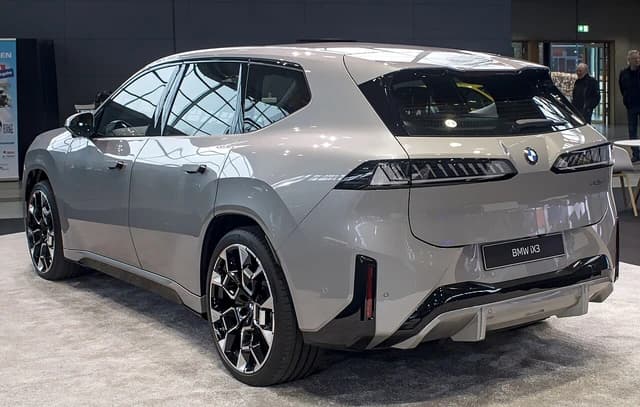
The broader message is that BMW is still trying to thread a difficult needle: protect its premium image, keep EVs competitive, and avoid the kind of discounting that can quickly erode returns in a brutal global car market. That is especially important for investors watching the European auto sector, where weak consumer demand, high financing costs and intense competition from Tesla and Chinese rivals continue to squeeze room for error.
BMW’s stock has reflected that tension. The shares have slid to about $23.16 from the mid-$30s earlier this year, and the drop comes with technical damage that underscores investor caution. The stock is trading well below its 50-day and 200-day moving averages, while the recent rebound still leaves momentum fragile after a sharp selloff in March and again in late July. In other words, the market is not buying the idea that a single new model can reset the valuation story.
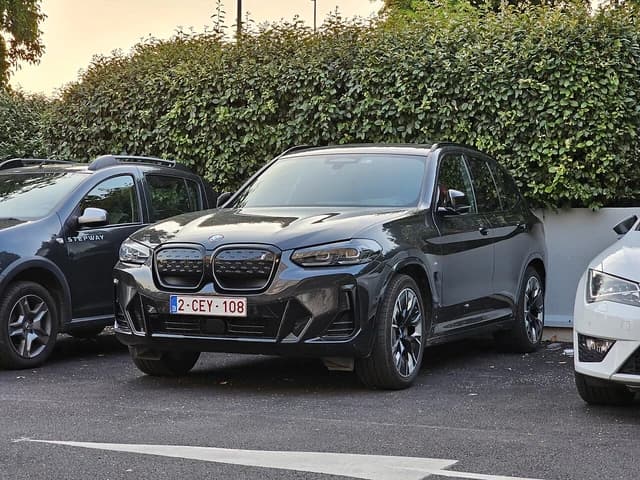
The iX3 still matters, just not in the way a headline sticker price might suggest. For BMW, the EV transition remains a long game. New models are necessary to defend share and keep customers inside the brand as the industry moves away from combustion engines. But premium automakers rarely win by racing to the top of the price range on every launch. They win by mixing desirable features, maintaining residual values, and using product cycles to support margins without training buyers to expect permanent discounts or permanent markups.
That is why investors should focus less on the iX3’s initial pricing and more on what it says about BMW’s discipline. The company is still investing in electrification while keeping an eye on efficiency, even as energy conditions remain uneven in Europe. That combination — selective premium pricing, careful cost control and a steady pipeline of new products — is what can protect earnings over several years.
For long-term investors, BMW remains a stock to watch rather than chase on a single launch. If the company can keep pricing rational, avoid a costly EV arms race and convert its brand strength into stable free cash flow, the shares could regain traction. But the iX3 alone does not prove BMW is about to turn aggressively higher on price. It simply shows the company is still trying to sell expensive cars in an industry where value matters more than ever.
| Entity | Gains | Losses |
|---|---|---|
| BMW | ▲Premium EV positioning | ▼Pricing-revolution narrative |
| Buyers | ▲More EV choice | ▼Hope for aggressive price cuts |
| Tesla | ▲Benchmark pressure on EVs | ▼Less room to dominate premium EV pricing |
| Competitor automakers | ▲Realistic price discipline | ▼Margin-compression fears |