BMW iX3 Orders Reach 100,000 in Europe
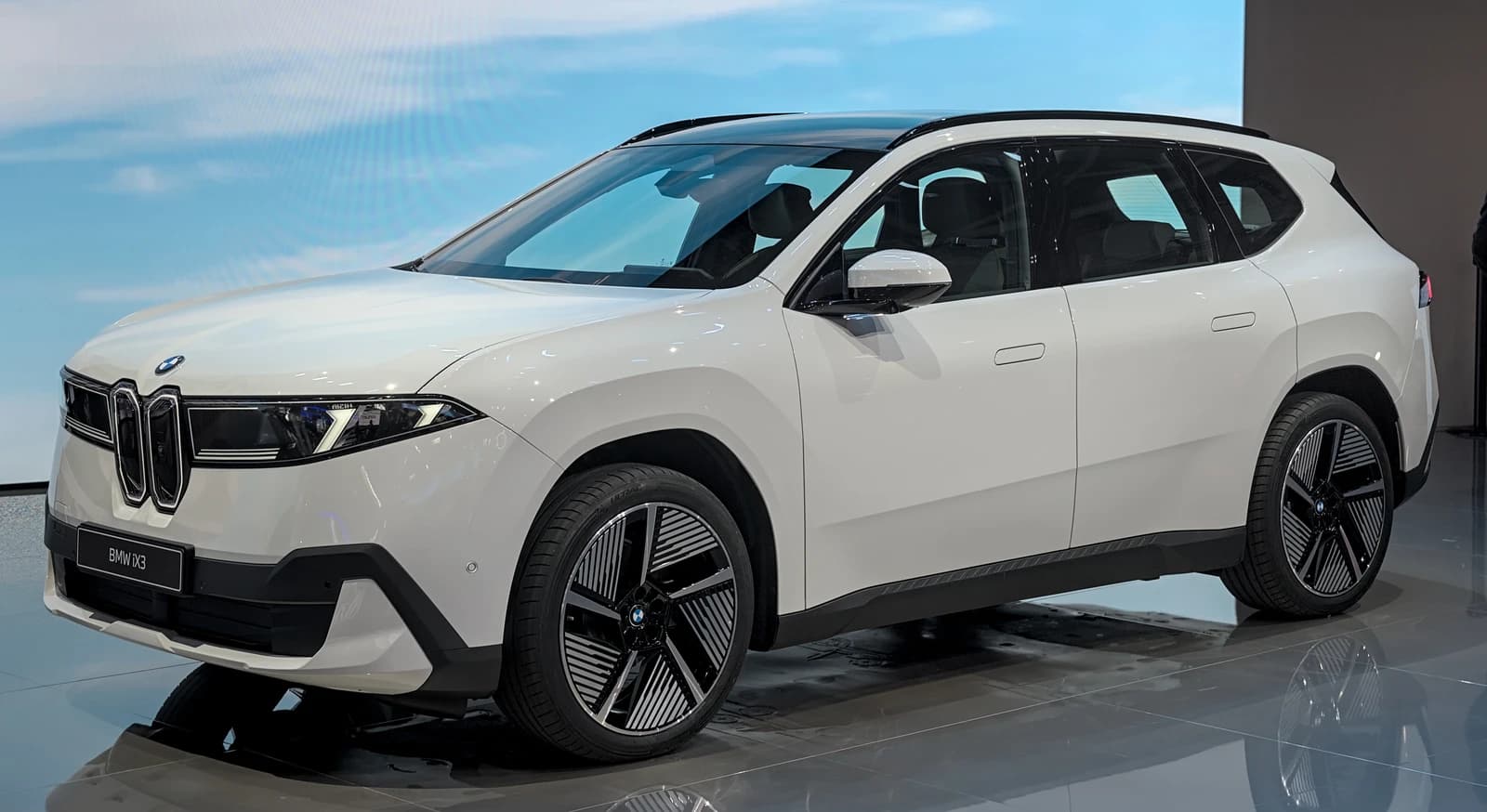
BMW’s electric reboot is getting the one thing investors care about most: proof that customers actually want the cars.
A year after the debut of the iX3, BMW says the electric SUV has collected 100,000 orders in Europe, the strongest first-year start of any model in the company’s history. That matters because BMW is not just selling one well-received EV — it is using the iX3 to establish demand for its “Neue Klasse” platform, the architecture the company expects to spread across 40 new and updated models by the end of 2027.

For investors, that changes the conversation around BMW’s electrification strategy. Automakers can spend billions on battery platforms, software and factory upgrades, but those investments only pay off if customers keep coming back. BMW’s order tally suggests the company’s EV transition is moving from promise to execution, and that should help support pricing power, factory utilization and future margins if the pipeline holds up.
The iX3 is also emerging as a key model mix driver. BMW says the car now accounts for about one-third of its electric orders in Europe and roughly half of all X3-family orders, a striking share for a launch model in a competitive premium market. The company says interest is also strong in China, where the iX3 has only recently gone on sale, though it has not disclosed figures there.
That gives BMW a useful edge as the auto industry navigates a messy transition. Premium buyers are still showing they will pay for electric SUVs with familiar badges, and BMW’s ability to convert that interest into volume is especially important as rivals push harder on price and incentives. Volkswagen, for example, recently said its ID. Polo had taken 30,000 orders, a respectable number but far below BMW’s iX3 total over a longer sales window.
The stock reaction was modest, with BMW shares trading slightly higher in Frankfurt after the update, but the longer-term takeaway is more important than the daily move. If BMW can turn the Neue Klasse into a broad product family — and keep demand strong beyond the first launch phase — it could strengthen its position in Europe’s premium EV market without sacrificing the brand discipline that has long separated it from mass-market competitors.
There are still real questions to watch. The company has not said how much of the order book will convert into deliveries, nor whether demand can hold up once more models arrive and comparisons get tougher. But for investors looking out three to five years, this is the kind of launch traction that can compound into a more valuable earnings stream.
BMW looks worth watching closely, and patient investors may want to keep it on the long-term radar as the Neue Klasse rollout expands.
| Entity | Gains | Losses |
|---|---|---|
| BMW | ▲Stronger EV credibility | ▼Skepticism over electrification |
| iX3 / Neue Klasse | ▲Launch momentum | ▼Doubts about demand |
| Premium EV rivals | ▲Market pressure | ▼Share and attention |
| BMW shareholders | ▲Better long-term growth case | ▼Near-term execution risk |