BMW M2 U.S. Buyers Choose Manual at 50%
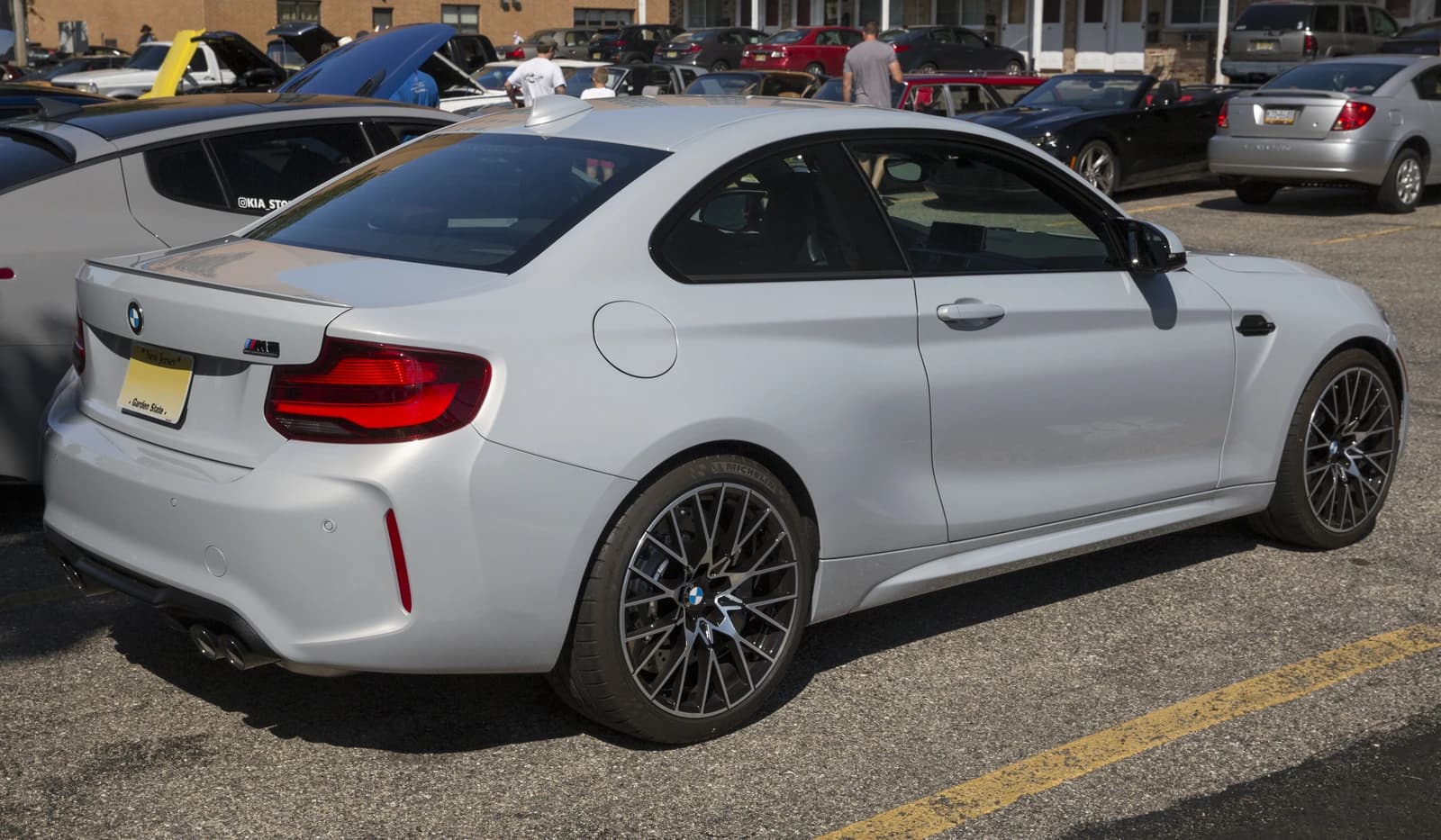
Half of all BMW M2s sold in the U.S. are being ordered with a manual transmission, underscoring that a meaningful slice of high-end buyers still values engagement over outright speed.
That matters because the M2’s eight-speed automatic is quicker and costs nothing extra, yet buyers are still choosing the six-speed manual in large numbers. For BMW, the take rate is more than a nostalgic footnote: it is evidence that the company can still monetize enthusiast demand in a market where most mainstream manual gearboxes have already disappeared. For investors, it shows that small, high-margin niche variants can carry disproportionate brand value even as the broader industry moves toward automation, electrification and software-defined driving.
BMW M CEO Frank van Meel said the U.S. love for manuals is “enormous,” and the company is clearly paying attention. The strong M2 stick-shift mix helped justify the launch of the M3 CS Hanschalter, a limited-run six-speed special edition built specifically for the U.S. and Canada that sold out almost immediately, according to the report. BMW has also used limited manual editions on the M2 Turbo Design Edition and the Z4 M40i Hanschalter, showing it can still create scarcity around a format most manufacturers have abandoned.
The economics are straightforward. Manual transmissions have become commercially irrelevant in mass-market cars because the demand is too thin to support the engineering, certification and supply-chain complexity. But in BMW’s M division, the manual remains a branding tool that reinforces authenticity and supports premium pricing. That lets BMW separate itself from rivals in a segment where performance numbers alone no longer define differentiation. A buyer choosing the manual is not buying the fastest spec sheet; they are buying identity, participation and exclusivity.
The market backdrop also helps explain why this matters. As cars become more electrified and heavily assisted, performance brands face a growing challenge: how to preserve emotional appeal while sharing more of the driving task with software. BMW’s manual take rate suggests there is still a profitable audience for old-school mechanical involvement, at least in halo models. That may not be enough to bring manual gearboxes back to the wider BMW lineup — the brand says only the M2, M3 and M4 offer one, and only on rear-wheel-drive versions — but it does support the idea that enthusiast cars can continue to serve as margin-accretive exceptions.
For investors, the bull case is that BMW’s M division can keep extracting value from scarcity and brand loyalty without large-volume exposure. The bear case is that this is a shrinking, aging customer base and that the company’s broader strategy still depends on scale, electrification and platform efficiency rather than manual-transmission romance. Even so, the 50% U.S. manual rate on the M2 is a reminder that in a market increasingly defined by software and autonomy, some buyers will still pay for the feel of a clutch pedal.
The likely outcome is continued selectivity. BMW is unlikely to reintroduce manuals to mainstream models, but it may keep using them where they sharpen the brand and justify limited-run pricing. For enthusiasts, that keeps the option alive. For BMW, it keeps the performance halo relevant.
| Entity | Gains | Losses |
|---|---|---|
| BMW M division | ▲Brand differentiation | ▼Mass-market simplicity |
| Manual-transmission buyers | ▲Driver engagement | ▼Faster automatic convenience |
| BMW shareholders | ▲Premium niche pricing | ▼Broader lineup efficiency |
| Automatic gearbox rivals | ▲Volume share | ▼Enthusiast halo sales |