BMW M3 and Cadillac CT5-V Blackwing compare
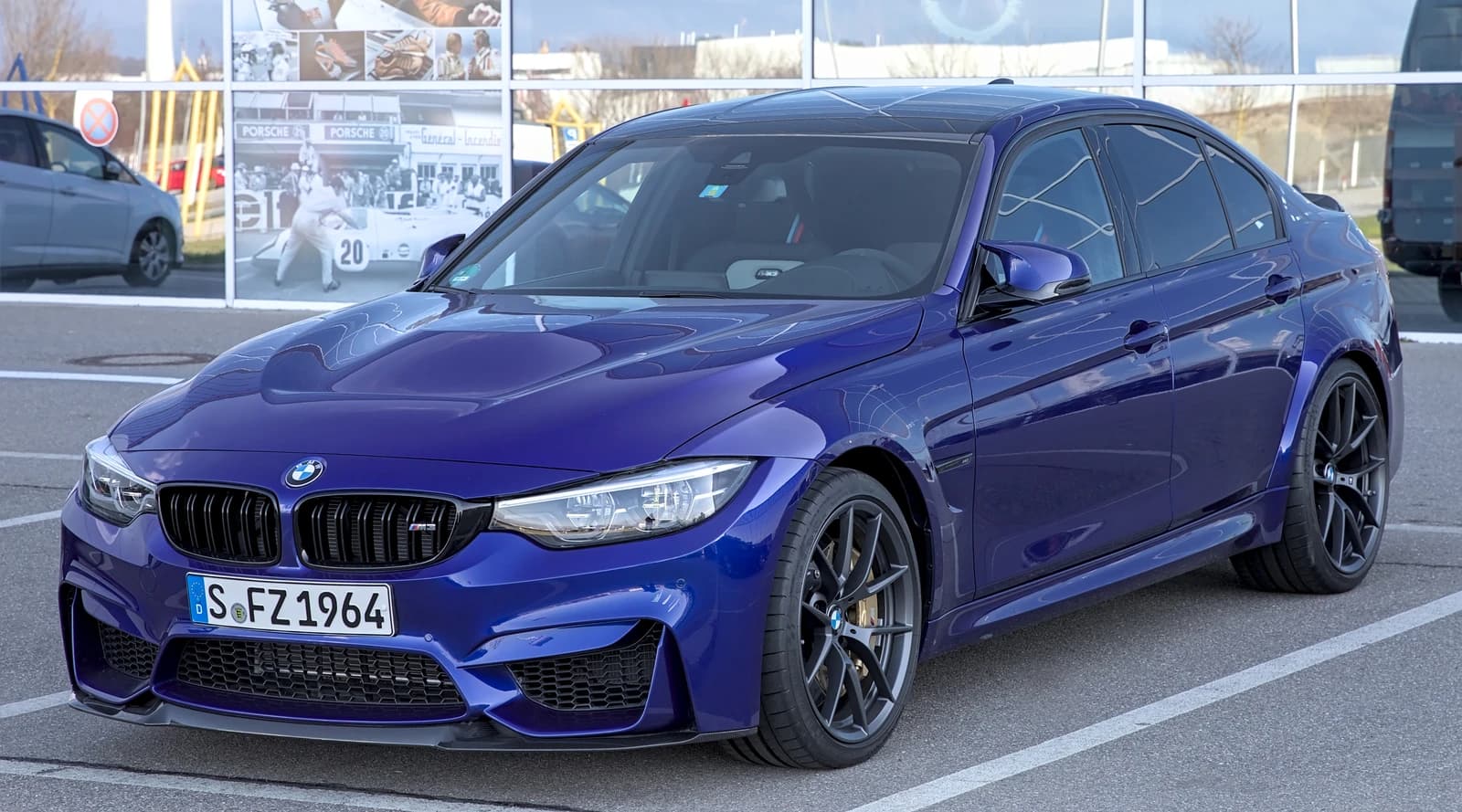
The 2026 BMW M3 and Cadillac CT5-V Blackwing sit in a small but stubbornly attractive corner of the auto market: high-performance sedans for drivers who still want real-world usability, not just straight-line bragging rights.
That matters because the sedan is not dead. In a market dominated by SUVs, the best sports sedans remain a profitable niche for automakers and a compelling value proposition for buyers who want four doors, usable trunks and genuine excitement. For investors, that makes performance sedans a useful window into how premium brands defend pricing power, brand loyalty and enthusiast demand even as the broader industry shifts toward electrification.
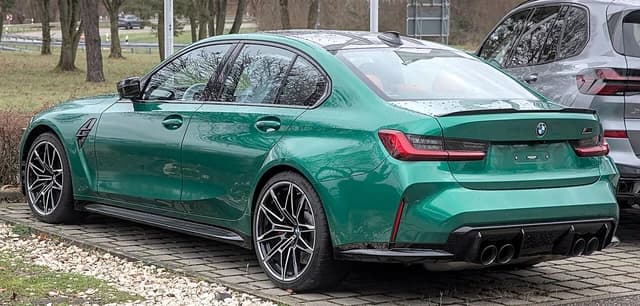
On the numbers, General Motors looks like the cleaner stock-market story right now. GM shares have climbed to about $86.77 from $66.44 in early November, while the stock also sits above both its 50-day and 200-day moving averages. That suggests the market is still rewarding the company’s cash generation and product mix, even after a stretch of volatility. Technical readings such as the RSI, which recently cooled from overbought levels, point to momentum that is still healthy rather than euphoric.
Mercedes-Benz, by contrast, is the quieter name in this fight. Its U.S.-traded shares around $13.25 are below the 200-day moving average, which reflects a much more muted market view of the stock. That does not make Mercedes weak as a business, but it does underscore a key difference for investors: the German luxury name is priced more like a mature global automaker, while GM is being valued with more optimism.
For car buyers, though, this is not really a stock chart contest. It is a question of character. The BMW M3 has become the more balanced all-rounder, mixing everyday refinement with sharp handling and enough tech to feel modern without losing its edge. The Cadillac CT5-V Blackwing is the emotional buy: rear-wheel drive, big-displacement V8 power and a level of old-school charm that is getting harder to find. If you want the better daily driver, BMW has the broader appeal. If you want the more unforgettable enthusiast machine, Cadillac still makes the stronger case.
That tension helps explain why sedans keep surviving. Even as global demand tilts toward SUVs and electrified crossovers, premium sedans remain important halo products. They pull shoppers into showrooms, reinforce brand identity and prove that legacy automakers can still build cars people lust after, not just accept.
For long-term investors, the real takeaway is not which badge wins a weekend comparison test. It is that brands with loyal buyers, credible performance credentials and pricing power can still monetize passion in a shrinking segment. The next five years likely favor companies that can keep enthusiast products alive without sacrificing margins, especially as EVs and hybrids reshape the market. Worth watching, and for patient investors, a reminder that the best businesses are often the ones that can make something desirable, not merely practical.
| Entity | Gains | Losses |
|---|---|---|
| GM | ▲Performance halo and pricing power | ▼Volume if sedan demand fades |
| BMW | ▲Broader daily-driver appeal | ▼Some emotion versus the Blackwing |
| Cadillac Blackwing buyers | ▲Unfiltered V8 performance | ▼Future model availability |
| Sedan segment | ▲Niche enthusiast demand | ▼SUV and EV competition |