A minimum-weight rule in superbike racing is highlighting a basic engineering reality that matters well beyond the track: added mass can quickly erode handling, braking and safety in motorcycles built to be light.
BMW Motorrad minimum-weight rule and motorcycle weight
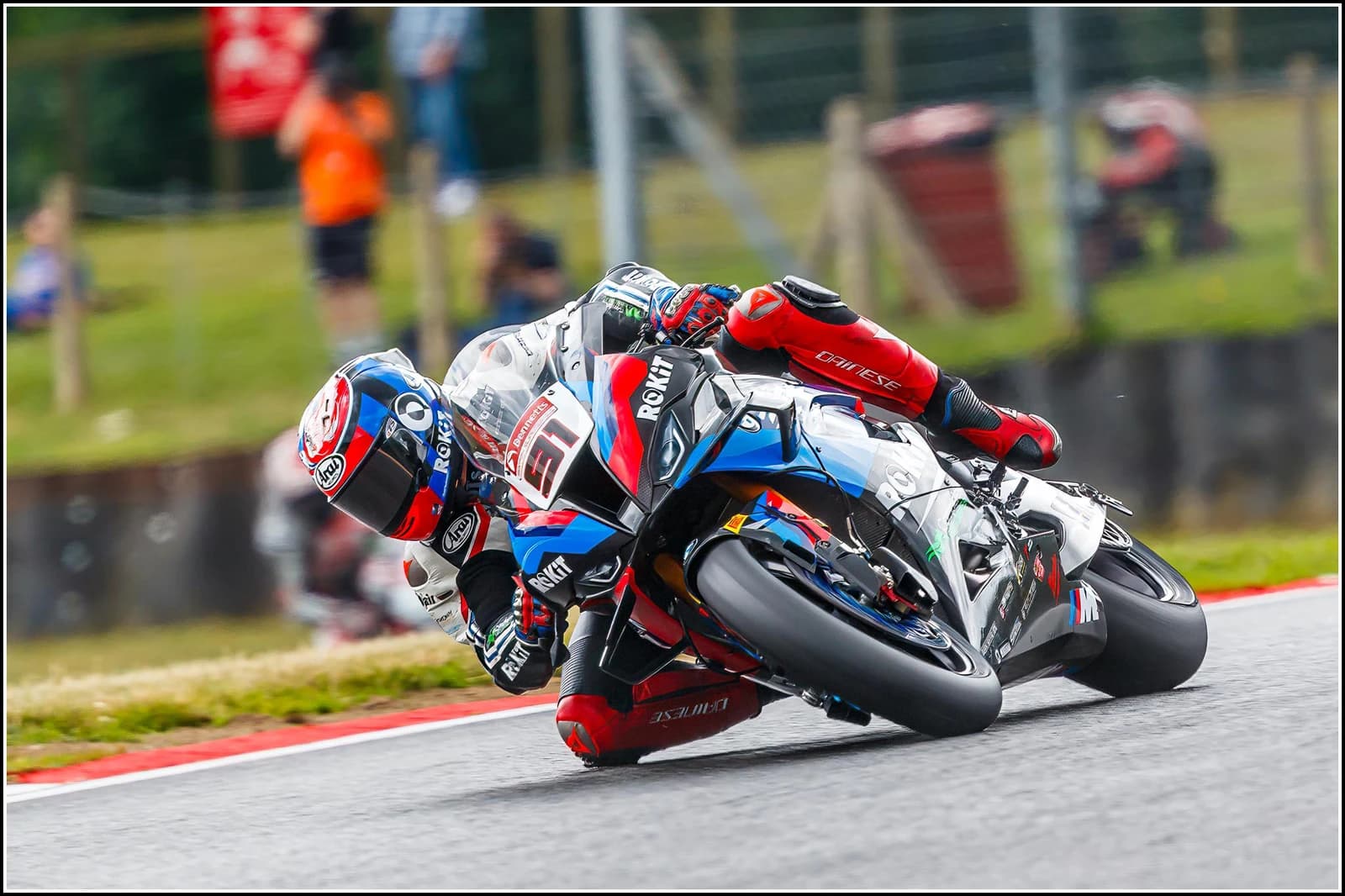
The debate, framed by BMW Motorrad’s racing context and the experience of smaller riders such as Ducati’s Álvaro Bautista, underscores why manufacturers spend heavily on lighter chassis, suspension and brake components. In a segment where tenths of a second decide results, a few extra kilograms can force longer stopping distances, slower direction changes and greater thermal stress on the braking system.
Sentiment IndicatorsⓘProprietary · adalytica.com · September 9, 2026
This is a snapshot — live sentiment, awareness and momentum for 130+ markets update continuously in the dashboard.Open AlphaPulse

That matters economically because weight is not just a race-day issue. It is one of the clearest links between motorsport development and showroom demand, shaping how brands market premium performance, safety and agility. The technology flow from superbike engineering into road models is a key selling point for companies competing for margin in a market where buyers increasingly pay for perceived sophistication rather than raw displacement alone.
For investors, the story is a reminder that motorcycle makers’ value proposition is tied to engineering execution, not just volume. Harley-Davidson, for example, has been trying to stabilize demand and improve its mix in a difficult consumer backdrop. Its shares have rebounded sharply from last year’s lows, with the stock recently trading above both its 50-day and 200-day moving averages, but the business still depends on convincing riders that premium motorcycles can justify premium prices. Technical indicators also show momentum has cooled from overbought levels, with recent RSI readings in the mid-40s after an earlier surge.
BMW and other premium rivals face a similar challenge: the lighter and more agile the package, the more credible the performance narrative. That is why the weight question is strategically important for the industry’s upmarket players and for Asian challengers such as Zontes, Voge and CFMOTO, which are using lighter components and sharper power-to-weight ratios to gain share in street bikes and larger-displacement segments.
The broader lesson is that regulations meant to equalize competition can also expose where engineering compromise becomes visible. In racing, added ballast can blunt a bike’s dynamics; in consumer motorcycles, the same trade-off can affect braking confidence, rider fatigue and perceived safety. For manufacturers, the winners are those that can keep the motorcycle light without sacrificing durability or compliance. For everyone else, the penalty is paid in lap time, showroom appeal and eventually market share.
| Entity | Gains | Losses |
|---|---|---|
| Lightweight bike makers | ▲Better handling narrative | ▼Less advantage from ballast rules |
| Heavy riders under minimum-weight rules | ▲Competitive parity | ▼Natural weight advantage |
| Ducati, BMW Motorrad, rivals | ▲Tech validation from racing | ▼Higher engineering costs |
| Harley-Davidson shareholders | ▲Premium-mix upside | ▼Slower growth if product lags |