BMW New Class Could Reset Growth Case
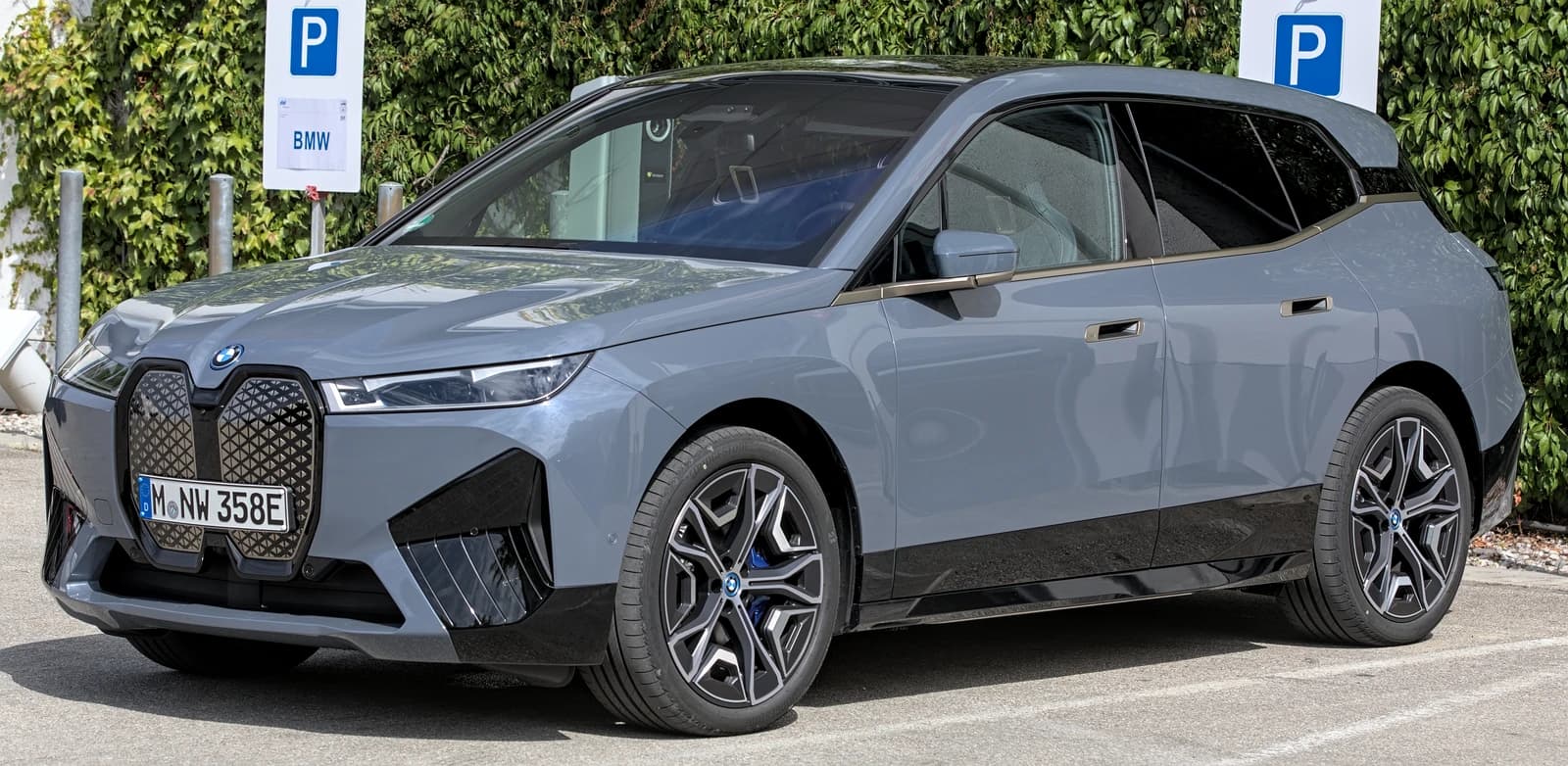
BMW may be getting the kind of product reset long-term investors like to see: a new class of vehicles that could help pull the stock out of a weak patch and rebuild confidence in the company’s growth story.
That matters because BMW’s shares have been under pressure even as the company leans into one of the auto industry’s biggest long-term opportunities — electrification and software-defined cars. Deutsche Bank’s view is essentially that the next wave of BMW models, led by the new class, could give investors a reason to look past near-term noise and focus on the brand’s earnings power over the next several years.

The market is already telling a cautious story. BMW’s U.S.-listed shares were recently trading around $23.41, far below the 200-day moving average of about $28.81, even though the stock has stabilized above its 50-day moving average near $22.60. That kind of setup usually says investors want proof, not promises. They are willing to give BMW some credit for a rebound, but they are still waiting for a durable catalyst.
That is where the new class matters. In autos, fresh platforms are more than model refreshes. They are the foundation for pricing power, technology upgrades and manufacturing efficiency. If BMW can roll out a compelling new class with stronger software, better battery economics and a clearer premium identity, it could help defend margins and restore the company’s appeal versus rivals such as Mercedes-Benz and Volkswagen.
For investors, the payoff is not just a short-term trade. A successful new platform can support several years of volume, improve the mix toward higher-value models and reduce the risk that BMW gets stuck competing only on discounts. In a sector where old products age quickly and capital spending is relentless, that kind of renewal can be the difference between a cyclical auto stock and a compounding business.
Mercedes-Benz, BMW’s closest luxury peer, offers a useful comparison. Its shares have also pulled back from earlier highs, but the premium-car market still rewards manufacturers that can combine brand strength with technology leadership. BMW does not need to dominate the electric car race outright. It needs to convince buyers that its new generation of vehicles is worth paying for — and that its margins can hold up while the industry changes around it.
The bigger backdrop is mixed but not broken. European equities and currencies have been moving with shifting risk appetite, while broader U.S. market sentiment has remained fragile, according to Adalytica’s S&P 500 trade signals. That kind of environment tends to punish companies without a clear growth story and reward those that can show a credible path to earnings resilience.
BMW’s challenge is execution. The company has to launch the new class without missing on software, quality or launch timing. It also has to navigate an industry where EV demand is uneven and consumers remain price-sensitive. But for investors with a three-to-five-year horizon, that is exactly why the opportunity exists. The market is pricing caution; a successful product cycle could deliver surprise upside.
If Deutsche Bank is right, the new class may do more than refresh BMW’s lineup. It could help reset the investment case. Long-term investors should keep it on the watchlist and look for evidence that the next generation of BMW models can translate brand strength into higher, more durable returns.
| Entity | Gains | Losses |
|---|---|---|
| BMW | ▲Fresh growth catalyst | ▼Old-model stagnation |
| BMW shareholders | ▲Re-rating potential | ▼Short-term uncertainty |
| Mercedes-Benz | ▲Premium market discipline | ▼Relative attention if BMW executes |
| Volkswagen | ▲Sector lift if demand improves | ▼Share of premium attention |