BMW X5 and 7 Series get new cockpit tech
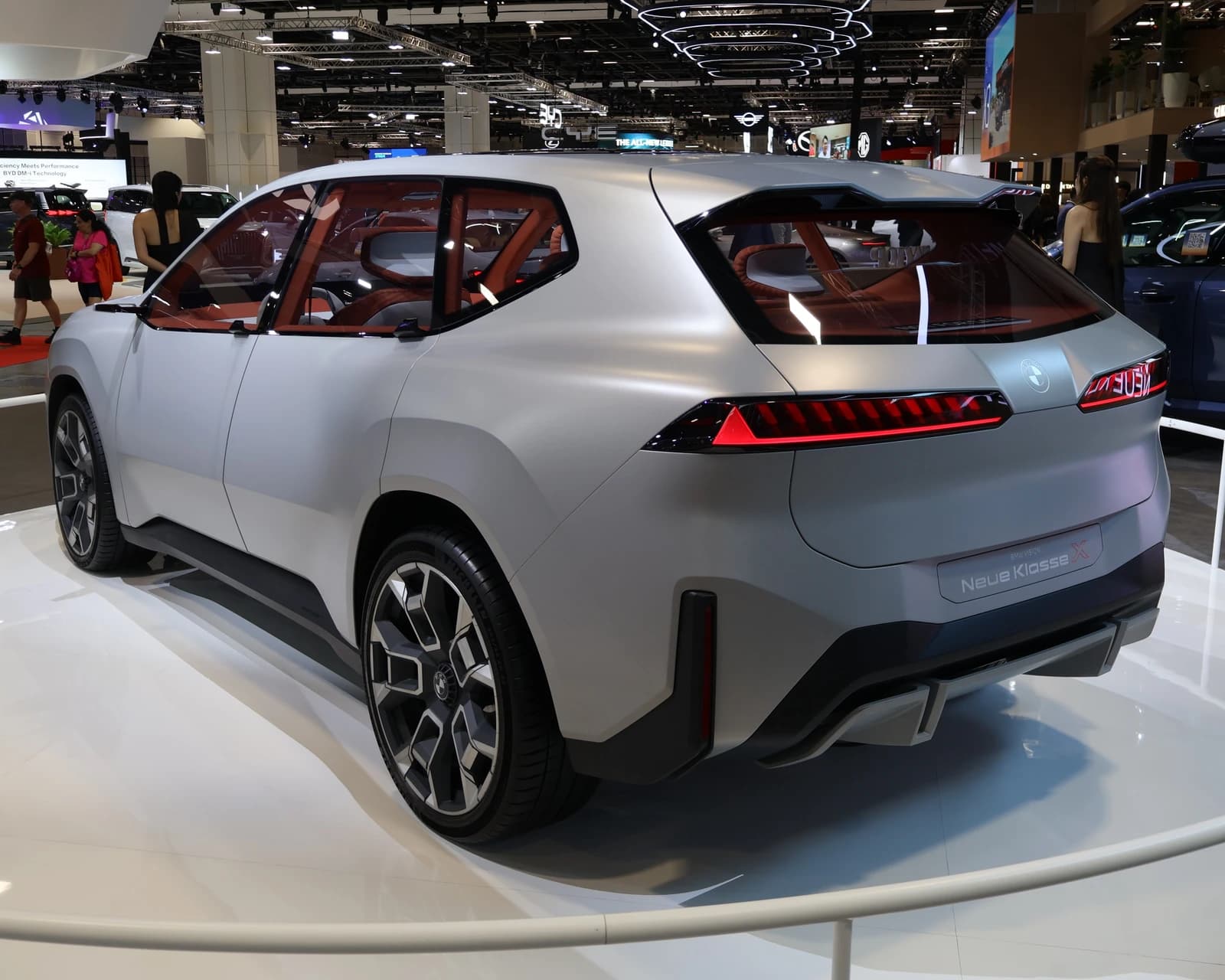
BMW is pushing its next-generation cockpit and electrical architecture into its most important premium models, a move that matters because the X5 and 7 Series are among the company’s key profit drivers and a window into how quickly BMW can translate its Neue Klasse investment into higher-margin vehicles.
The new X5 and heavily updated 7 Series are not just styling refreshes. They are the first signs that BMW is rolling out the hardware and software stack it has been developing for its upcoming electric and digital platforms across the core of its current lineup. That is economically important because premium buyers are increasingly paying for software, assistance systems and in-car experience as much as metal and horsepower, while BMW needs to defend pricing power against Mercedes-Benz, Porsche and a still-ambitious Volkswagen Group.
In Belgrade, BMW presented the fifth-generation X5 and the latest 7 Series update, with both models adopting the new Panoramic iDrive, Operating System X, revised electronic architecture and more advanced driver-assistance systems. For BMW, the message is clear: the technology previously associated with a future product cycle is now moving into volume- and image-critical vehicles.
The X5 remains one of BMW’s most important SUVs and the model most closely associated with the company’s premium utility play. The new version is about 7.2 centimeters longer than its predecessor, with a 6-centimeter longer wheelbase, a taller front end and a more upright stance. BMW is also offering wheels of up to 23 inches and hiding the door handles into the bodywork, underscoring the shift toward aerodynamics and cleaner surfaces.
The 7 Series update goes further on luxury and personalization. BMW has reworked the front and rear design, added an illuminated Iconic Glow grille with a new light signature and crystal headlights containing 12 Swarovski crystals. The brand is also offering more than 500 exterior color and trim combinations, including two-tone finishes that require more than 20 trained specialists and over 75 hours of work per vehicle.
The cabin is where the strategic shift is most visible. BMW Panoramic Vision projects information along the lower windshield, supported by a 3D head-up display, while both models get a 17.9-inch center screen and a 14.6-inch display for the front passenger. The new steering wheel uses illuminated “shy-tech” controls, and the X5 can be ordered with natural slate trim, a sign BMW is pushing material differentiation as a premium cue.
For the 7 Series, BMW is leaning harder into rear-seat luxury. The upgraded Theatre Screen is now 31.3 inches with 8K resolution and video-call capability, while the Bowers & Wilkins system has 36 speakers and nearly 2 kilowatts of output. These features matter because they help BMW justify pricing in the segment where margins are typically strongest and where Chinese and German rivals are also spending heavily to retain affluent customers.
The powertrain strategy is equally revealing. The X5 will be sold with petrol, diesel, plug-in hybrid and fully electric variants, and later a hydrogen version, while the electric iX5 uses an 800-volt architecture and BMW’s latest eDrive system. BMW says the iX5 will produce roughly 450 to 670 horsepower, offer 700 to 845 kilometers of range and recover about 350 kilometers in 10 minutes of charging. The 7 Series follows a similar multi-energy approach, with the electric i7 topping out at 680 horsepower and up to about 730 kilometers of range.
That flexibility helps BMW hedge against uneven demand in the electric market while keeping combustion and hybrid buyers in the fold. For investors, that is the key trade-off: the company is protecting near-term volumes and cash generation while steadily shifting its premium models toward the technologies it will need for the next cycle. The risk is execution, because carrying multiple drivetrains and increasingly complex digital systems can raise costs if demand fragments too sharply.
BMW shares closed at 62.70 euros on Sept. 10, below the 200-day moving average of 73.60 euros but above the 50-day average of 59.44 euros, with the RSI at 68.1, suggesting the stock has rebounded but is not yet at overheated levels. The market’s message is that investors are watching for proof that BMW’s product offensive can sustain pricing and margins through a costly transition rather than just generate headlines.
For now, the new X5 and 7 Series show BMW doing what premium automakers must do in a slower, more competitive market: refresh their highest-value models with enough software, range and luxury content to defend brand strength. The next test is whether those features convert into order momentum and margin stability as the Neue Klasse era moves from presentation to production.
| Entity | Gains | Losses |
|---|---|---|
| BMW | ▲Stronger premium pricing power | ▼Higher product complexity |
| Buyers of X5 and 7 Series | ▲More tech and luxury | ▼Higher optional-equipment costs |
| Mercedes-Benz and Porsche | ▲More competitive pressure | ▼Easier BMW differentiation |
| Combustion and hybrid buyers | ▲Continued choice | ▼Slower shift to full EV platforms |