BMW X5 starts at $143,900 in Australia
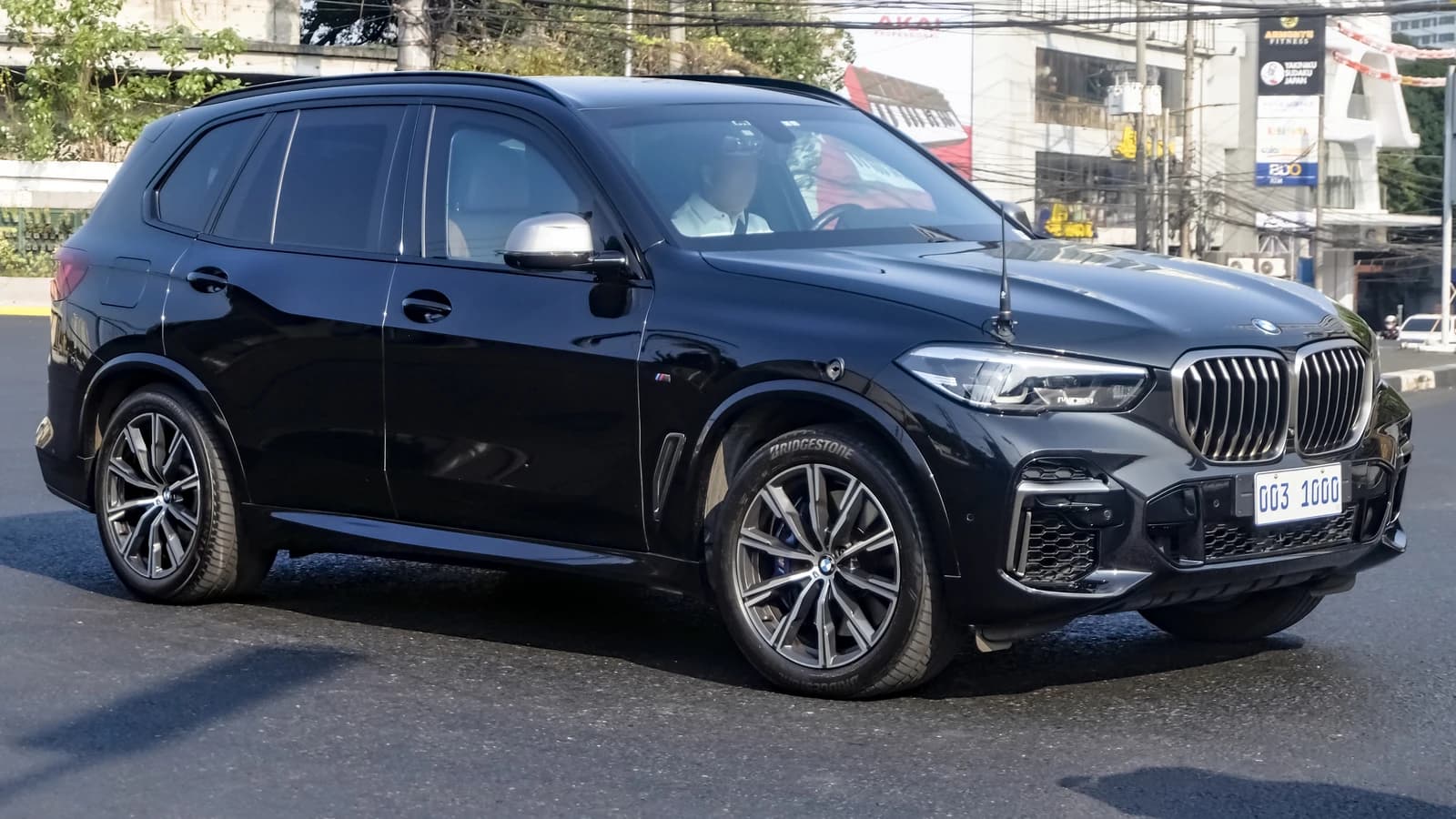
BMW has set the starting price for its new X5 large SUV in Australia at $143,900, putting the premium diesel and petrol model squarely against Mercedes-Benz’s freshly updated GLE and underscoring how fiercely automakers are defending margins in the high-end SUV market.
The pricing, which lifts the diesel X5 by $4,000 and the petrol version by $2,000, matters because luxury SUVs remain one of the most profitable corners of the auto industry. Buyers in this segment are typically less sensitive to modest price increases, allowing manufacturers to pass on higher technology, emissions and content costs without materially damaging demand. For BMW, that means the X5 can help preserve pricing power even as the company continues to invest heavily in electrification and new powertrain options.
The new X5 will arrive in showrooms in the fourth quarter of 2026, with plug-in hybrid versions due in the first quarter of 2027 and a fully electric iX5 also slated for Australia around the same time. That rollout shows BMW is trying to bridge the market transition rather than force it. The current model range is still anchored by six-cylinder petrol and diesel engines with 48-volt mild hybrid assistance, while the next wave adds battery power for buyers not yet ready to go fully electric.
That strategy reflects the reality of the Australian premium SUV market, where demand remains broad enough to support diesel, petrol, plug-in hybrid and battery-electric offerings at the same time. BMW’s decision to keep the X5 as a five-seater, unlike some rivals with seven-seat layouts, also suggests it is leaning into a more upscale positioning rather than chasing volume at the lower end of the large SUV category.
On performance, BMW says the diesel now delivers 230kW and 670Nm, while the petrol variant rises to 294kW and 540Nm, with the petrol model claiming a 0-100km/h sprint of 5.3 seconds. Those gains help justify the higher sticker price and keep the X5 competitive against the Mercedes-Benz GLE, which starts from $142,300 in Australia. The BMW is more expensive at the entry point, but the gap is narrow enough to keep the contest centered on brand, equipment and drivetrain choice.
For investors, the main implication is that BMW continues to show pricing discipline in a market where premium brands have room to protect profitability through product refreshes. The risk is that a softening consumer backdrop or faster-than-expected EV adoption could make today’s combustion-heavy mix less durable than it looks. But for now, the X5 launch points to a familiar luxury-auto playbook: keep pushing content, preserve pricing, and use a staggered powertrain rollout to avoid giving up customers at either end of the transition.
| Entity | Gains | Losses |
|---|---|---|
| BMW | ▲Higher pricing power | ▼Price-sensitive buyers |
| Mercedes-Benz GLE | ▲Competitive benchmark | ▼BMW X5 share |
| Diesel/petrol X5 buyers | ▲More power, updated tech | ▼Higher purchase prices |
| EV/PHEV pipeline | ▲Future optionality | ▼Current combustion-only lineup |