BMW’s latest read on X5 buyers is a reminder that the premium SUV market is being reshaped by a simple but powerful force: customers are paying for luxury, performance and technology, not trail-rated toughness. That matters because it points to where automakers can still defend pricing power, and where the next wave of margin-friendly product development is likely to flow.
BMW X5 Signals Luxury Over Off-Road Utility
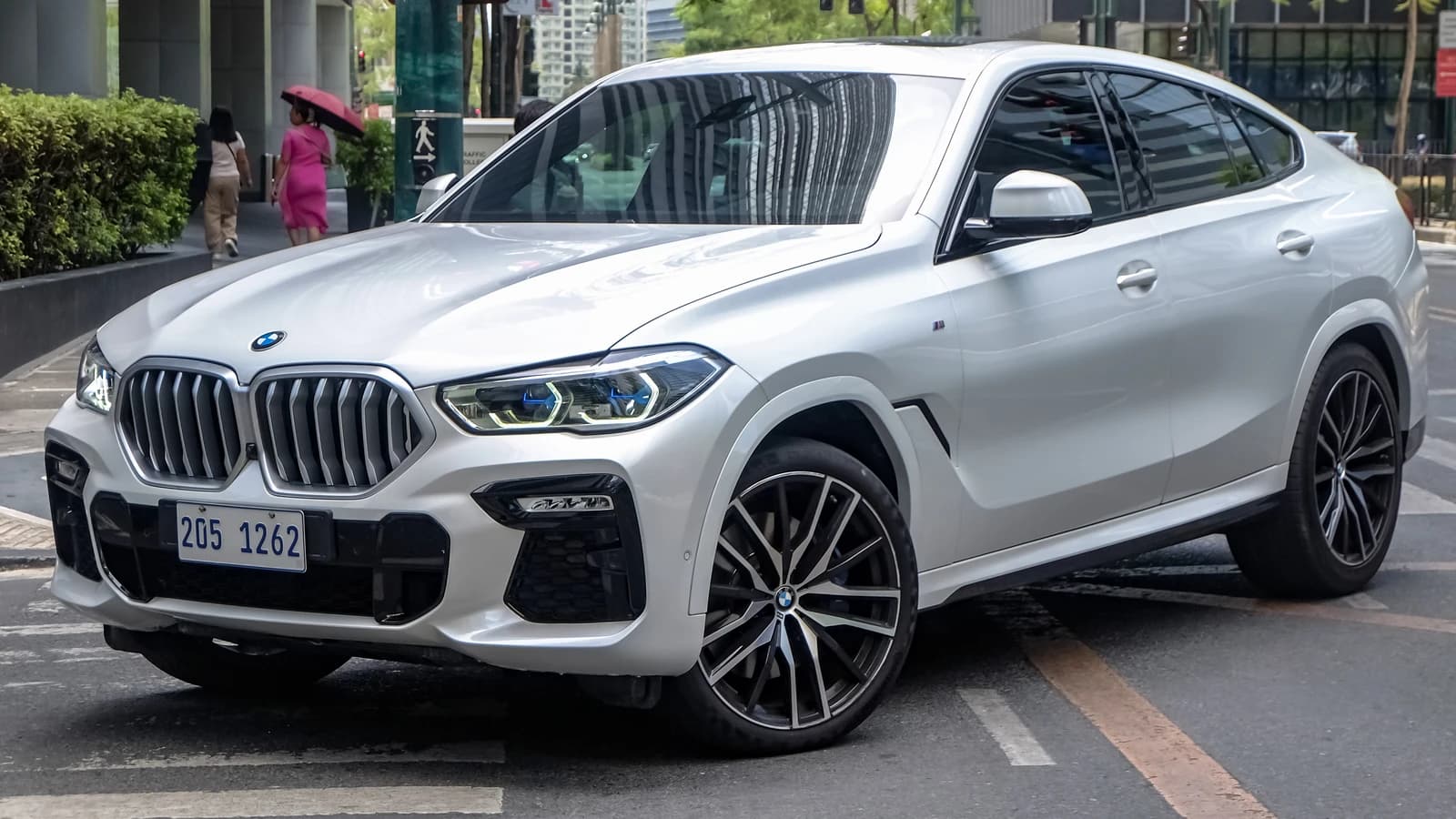
For BMW, the message is strategically important. If affluent buyers increasingly use large SUVs as elevated road cars rather than adventure vehicles, then the winning formula becomes stronger digital interfaces, quieter cabins, better ride quality and more electrified performance — not skid plates and rugged styling cues. That shift plays directly to premium brands with the scale to spread software, interior upgrades and powertrain investments across high-value nameplates such as the X5 and X6.
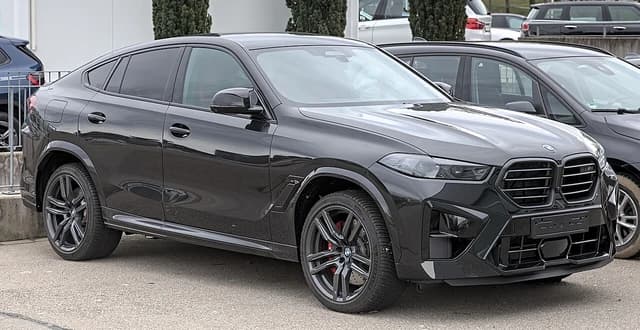
The market underestimates how valuable that preference change can be. Luxury SUV buyers are among the least price-sensitive consumers in auto retail, which gives BMW room to keep contenting vehicles upward without sacrificing demand. In an industry still fighting for profitability after years of inflation in parts, labor and battery costs, the ability to sell comfort and technology as aspirational features is a real margin tailwind. It also supports residual values and leasing economics, which are critical to premium automakers and their finance arms.
The broader investment thesis is that premium SUVs are evolving into rolling software and luxury platforms, and that creates a durable advantage for brands that can marry performance with digital experience. BMW, Mercedes-Benz and Audi all benefit from the same secular trend, but BMW stands out because its core identity already blends driving dynamics with upscale utility. That gives it a credible way to keep the X family relevant even as consumer priorities move further away from traditional off-road credentials.
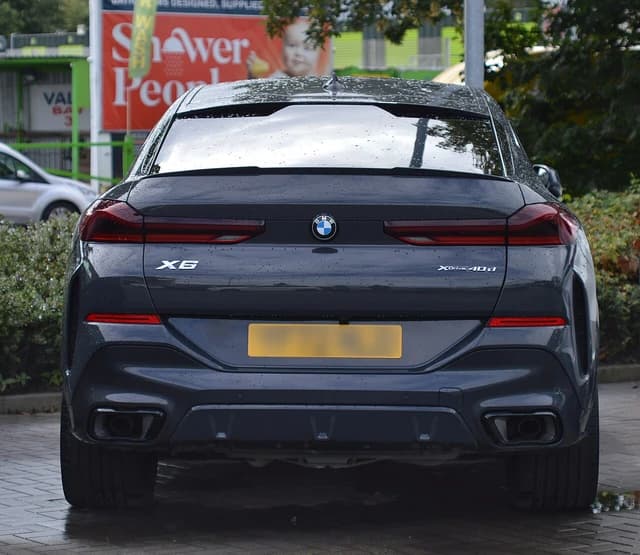
For investors, the opportunity is not just in BMW itself but in the ecosystem around this shift. Suppliers of high-end interiors, advanced driver-assistance systems, cockpit electronics and vehicle software are positioned to capture the spend as automakers reallocate capex toward premium content. The losers are the brands still selling ruggedness as the main pitch in segments where most buyers never leave the pavement.
BMW’s SUV strategy is telling us where the next battleground in premium autos is headed: not toward mud, but toward margin. Investors looking for asymmetric exposure should watch for companies tied to luxury content, software-defined cabins and electrified performance, because that is where the next cycle of value creation is likely to compound.
| Entity | Gains | Losses |
|---|---|---|
| BMW and premium German automakers | ▲Pricing power, richer content mix | ▼Pure off-road positioning |
| Interior tech and ADAS suppliers | ▲Higher content per vehicle | ▼Commodity SUV parts makers |
| Luxury SUV buyers | ▲Better comfort and tech | ▼Lower emphasis on rugged utility |
| Rugged SUV brands | ▲Niche loyalty | ▼Mainstream premium demand |